Asphalt paving company also offering concrete work, excavating, and snow removal services.
Contact Info
-
130 Co Rd 70
Stillwater, NY 12170 - Call: 518-935-3068
- Text: 518-935-3068
- Mon - Sun: 7am - 7pm
Contact Info
Hear From Our Clients
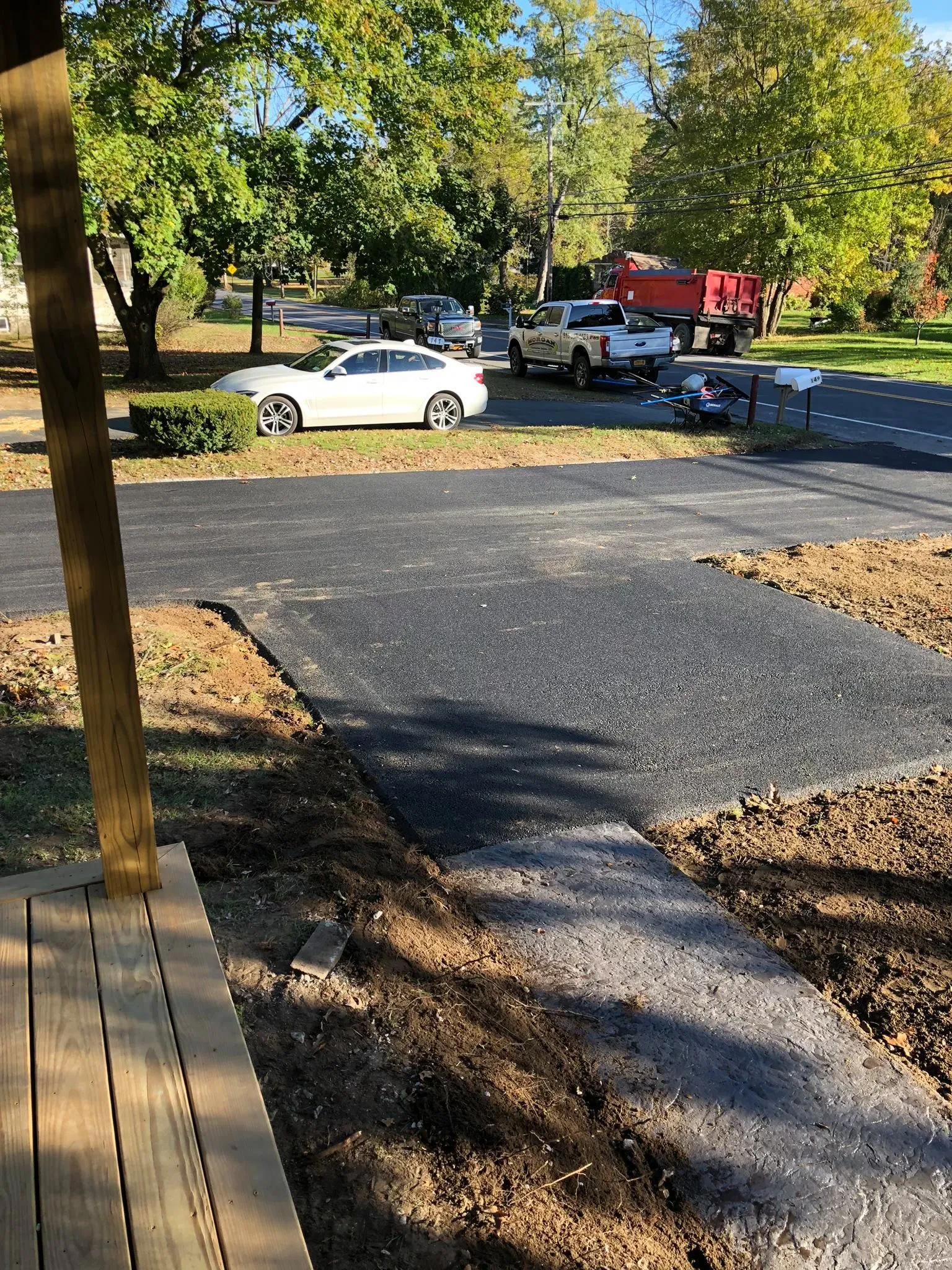
You need asphalt that holds up. Not just for a season, but for decades of freeze-thaw cycles, snowplows, and daily traffic.
Proper paving starts below the surface. Base prep, drainage, compaction—the work most people never see but always feel when it’s done wrong. Shortcuts show up fast here. Cracking by year two. Potholes by year three. Water pooling where it shouldn’t.
When it’s done right, your driveway or parking lot becomes something you stop thinking about. It drains properly. It stays smooth. It handles the load without breaking down every winter. That’s what 25 years of experience in the Capital District gets you—asphalt paving that works the way it should from day one.
We’ve been handling paving, excavation, and foundation work across Ballston Spa, NY and the surrounding Capital District for over 25 years. Same owner. Same commitment to doing the job right without the gimmicks.
You talk directly to the person running the project. No sales team feeding you lines. No subcontractors you’ve never met showing up on install day. We handle estimates, oversee the work, and make sure you’re getting what you paid for.
That matters in a region where winter does real damage to poorly installed asphalt. Ballston Spa gets hit with cold temperatures and over 60 inches of snow annually. Your paving contractor needs to understand how that affects base prep, drainage, and material choice—or you’ll be patching potholes every spring.
First, you get an on-site estimate. We walk the project, look at drainage, check the existing surface if there is one, and give you a straightforward quote. No pressure. No upselling services you don’t need.
Once you’re ready to move forward, we schedule the work around your timeline. For residential driveway paving, that means coordinating access and minimizing disruption. For commercial parking lot paving, it means working efficiently so your business stays operational.
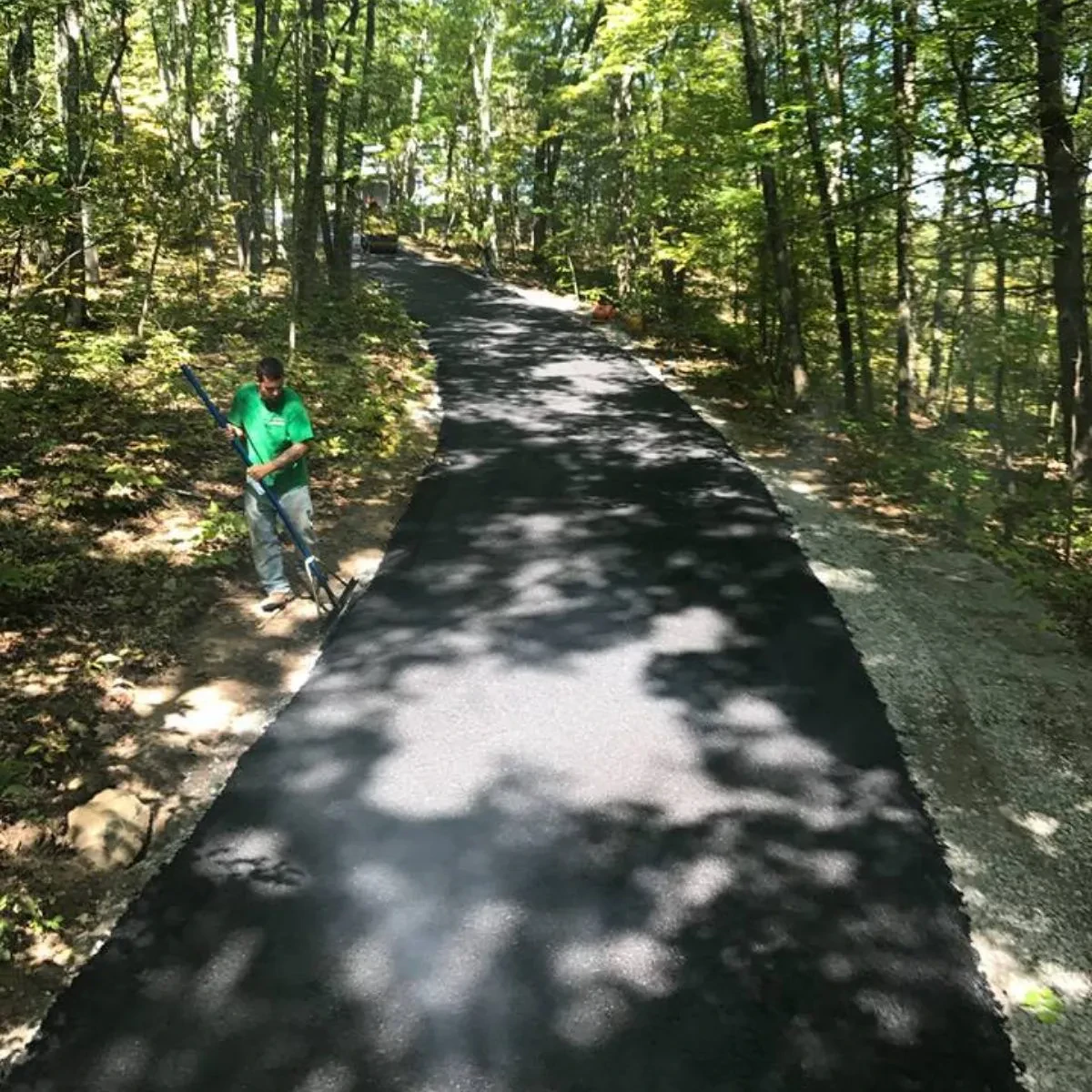
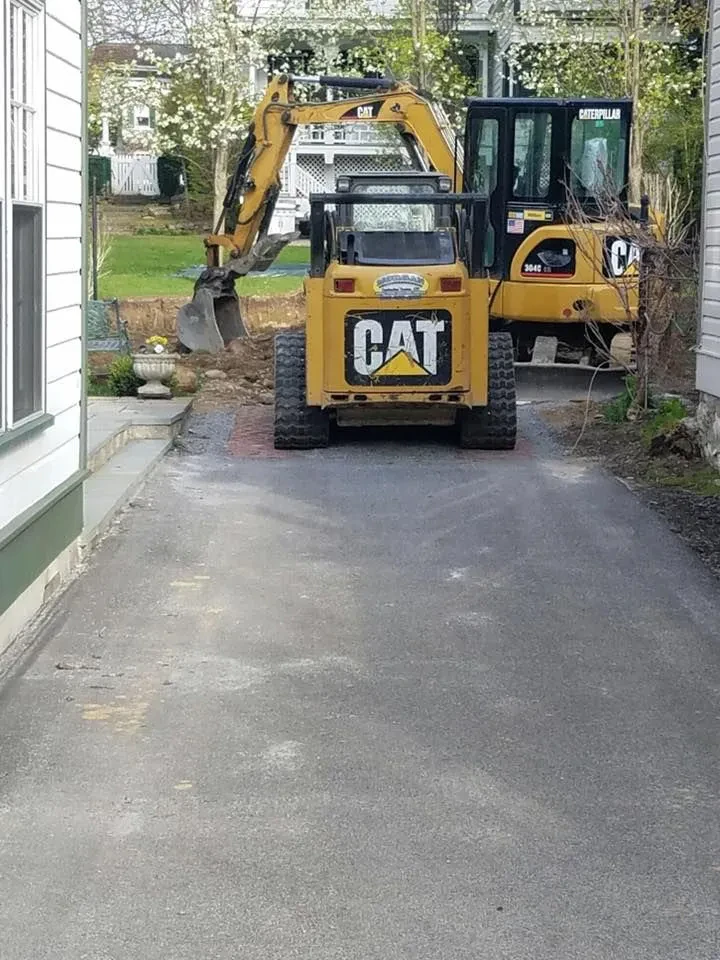
The process starts with excavation and base prep—compacted gravel, proper grading, drainage solutions if needed. Then comes the asphalt installation, laid at the right thickness for your specific use case. Residential driveways typically need at least 3 inches over a solid base. Commercial parking lots handling heavier traffic require more.
Finally, everything gets compacted and rolled to create a smooth, durable surface. We check the work before calling it done. You’re left with asphalt that’s built to last, not just pass inspection.
Ready to get started?
We handle both residential driveway paving and commercial paving projects across Ballston Spa, NY. That includes new asphalt installations, parking lot resurfacing, driveway repairs, and full excavation services when projects require more than just a surface fix.
For homeowners, that means driveways built to handle daily use and upstate New York winters without cracking apart in three years. Proper base preparation. Attention to drainage so water doesn’t pool or erode the edges. Asphalt thick enough to hold up under vehicles and snowplows.
For business owners, it means parking lots that stay functional and safe for customers. Smooth surfaces that don’t create liability issues. Efficient project timelines that minimize downtime. The kind of work that doesn’t need a redo in two years because the base wasn’t compacted right the first time.
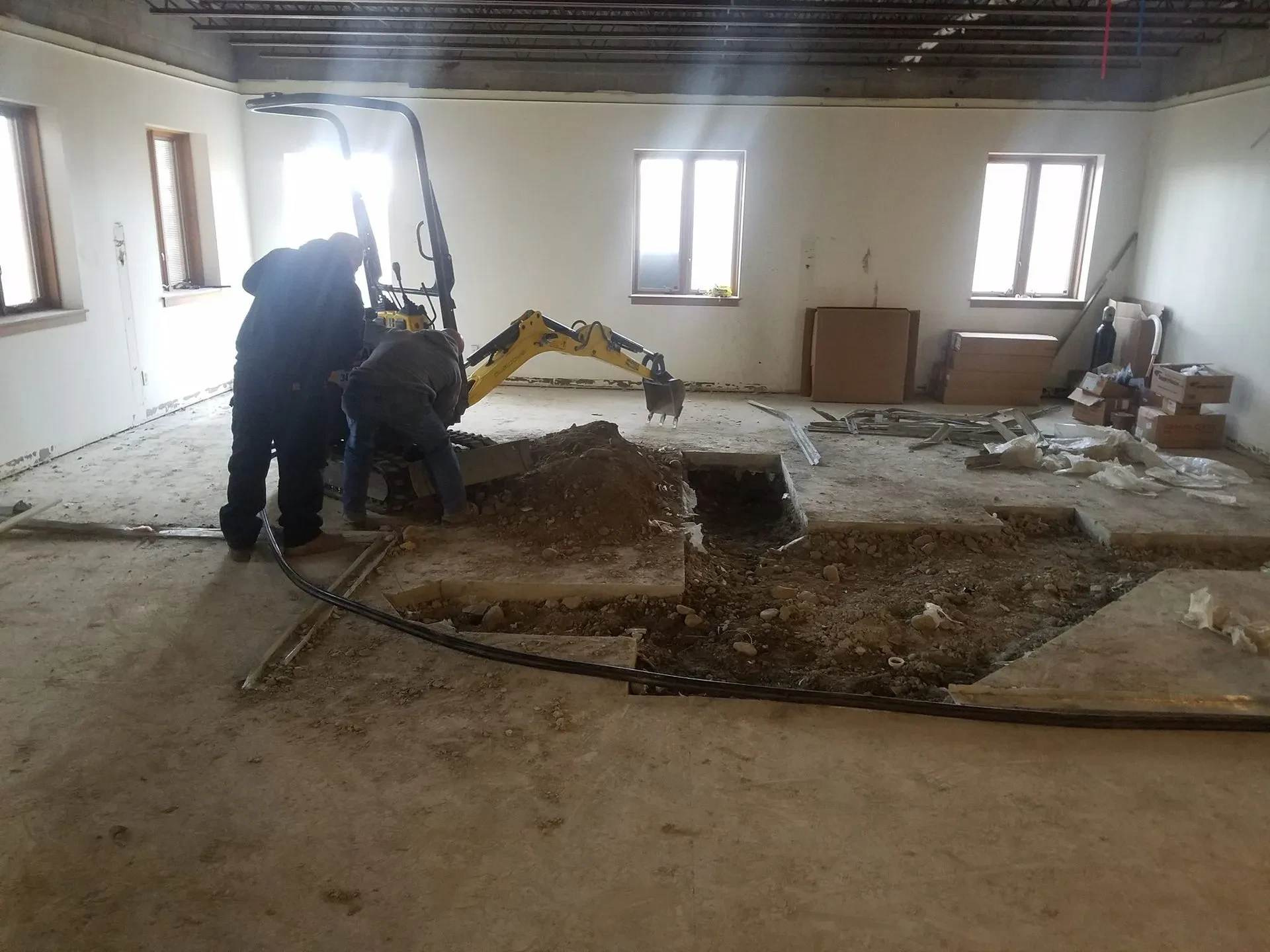
We also provide excavation and foundation services year-round. When paving season slows down in winter, the focus shifts to site prep, land clearing, and foundation work. That means you’re working with a contractor who stays busy and available regardless of season—and who understands how all the pieces of a project fit together, not just the top layer of asphalt.
A properly installed asphalt driveway or parking lot should last 20 to 30 years in the Ballston Spa area, even with harsh winters. The key word is “properly installed.”
Base preparation makes or breaks longevity. You need a compacted gravel base, proper drainage, and asphalt thick enough for the intended use—at least 3 inches for residential driveways, more for commercial parking lots. Shortcuts on any of those points mean you’re looking at cracks, potholes, and edge deterioration within a few years.
Ballston Spa gets over 60 inches of snow annually and sees temperatures drop into the low 20s regularly. Freeze-thaw cycles are brutal on asphalt that wasn’t installed with adequate base support. Water seeps in, freezes, expands, and breaks apart weak spots. That’s why drainage and compaction matter so much here—they prevent water from sitting under the surface where it can do damage. Regular maintenance like sealcoating every 2 to 3 years also extends lifespan by protecting the surface from UV rays, chemicals, and moisture penetration.
Resurfacing means adding a new layer of asphalt over your existing driveway. Replacing means tearing out the old asphalt, addressing the base, and installing everything new from the ground up.
Resurfacing works when your current driveway has minor surface issues—some cracking, wear, fading—but the base is still solid. You’re essentially giving it a fresh top coat, usually 1.5 to 2 inches of new asphalt. It’s faster and costs less than a full replacement. But it only makes sense if the foundation underneath is sound. If the base has failed, resurfacing just covers up problems that will reappear quickly.
Replacement is necessary when you’ve got serious structural issues: large cracks, widespread potholes, drainage problems, or sections that have sunk or heaved. At that point, the base has likely failed, and no amount of surface work will fix it. A full replacement involves excavation, new base material, proper grading for drainage, and fresh asphalt installation. It costs more upfront but gives you another 20 to 30 years of reliable use. If you’re not sure which route makes sense, we’ll walk the site with you and explain what’s actually needed—not just what’s easiest to sell.
Driveway paving costs in the Ballston Spa area typically range from $7 to $15 per square foot, depending on site conditions, base prep requirements, and asphalt thickness. A standard residential driveway averages around $4,000 to $6,000, but that number moves based on size and complexity.
Several factors affect the final price. If your site has poor drainage or unstable soil, you’ll need more base work—thicker gravel, better compaction, possibly even excavation to address underlying issues. That adds cost but prevents future problems. Asphalt thickness also matters. A driveway handling regular passenger vehicles needs at least 3 inches of asphalt over a compacted base. If you’ve got heavier vehicles or commercial use, you’ll need more.
Access and site conditions play a role too. Tight spaces, steep grades, or areas that require significant prep work take more time and equipment. We price based on what your specific project actually requires, not a one-size-fits-all number. If someone quotes you significantly less than the market rate, ask what they’re cutting. It’s usually base prep, asphalt thickness, or compaction—the invisible work that determines whether your driveway lasts 5 years or 25.
Yes, but it requires planning and a contractor who understands how to phase the work. Most commercial paving projects can be done in sections so your parking lot stays partially operational throughout the process.
The approach depends on your lot size and layout. For larger parking areas, we can work in phases—paving one section while keeping another open for customer access. That means coordinating with you on timing, marking off work zones clearly, and managing the schedule so disruption stays minimal. Smaller lots might require a full closure for a day or two, but we work efficiently to get you back open as quickly as possible.
Communication is key. You need to know exactly when crews will arrive, how long each phase takes, and when areas will be accessible again. We’ll walk through the plan with you beforehand, not leave you guessing. We also handle details like temporary signage, safe access routes, and cleanup so your property stays presentable even during active work. If your business can’t afford downtime, we’ve done phased commercial projects before and can show you how we’ve managed similar situations. That experience makes the difference between a smooth project and a chaotic mess.
Start with experience in your specific area. Paving in upstate New York isn’t the same as paving in milder climates. Your contractor needs to understand how freeze-thaw cycles, heavy snowfall, and regional soil conditions affect asphalt installation. If they don’t account for those factors in base prep and drainage, you’ll have problems within a few years.
Ask about their process. A quality paving contractor will explain base preparation, asphalt thickness, compaction methods, and drainage solutions in plain language. If they gloss over those details or can’t answer specific questions, that’s a red flag. The invisible work—grading, compaction, base material—determines how long your asphalt lasts. Anyone can lay a smooth surface. Not everyone builds it to hold up under real-world conditions.
Look for direct communication and transparency. Are you talking to the owner or project manager, or are you getting shuffled through a sales team? Do they provide clear, written estimates that break down what you’re paying for? Are they willing to walk the site with you and explain what’s needed, or are they pushing a one-size-fits-all package? Owner-operated businesses often provide better accountability because the person quoting the job is the same person overseeing the work. That alignment matters when issues come up or adjustments are needed mid-project.
Late spring through early fall is ideal for asphalt paving in Ballston Spa, NY. Asphalt needs warm temperatures to cure properly—ideally above 50 degrees Fahrenheit, with dry conditions for installation and the first 24 hours afterward.
Scheduling in May through September gives you the best weather window. The ground is warm, rain is less frequent, and asphalt compacts and cures the way it should. Paving too early in spring when the ground is still cold or saturated from snowmelt can lead to base issues. Paving too late in fall risks temperature drops that prevent proper curing.
That said, we can sometimes work outside the ideal window if conditions allow. But you’re taking a risk. Cold weather paving requires special mixes and careful timing, and even then, results aren’t as reliable as summer installations. If you’re planning a driveway or parking lot project, reach out to us in late winter or early spring to get on the schedule. Paving season books up fast, and waiting until June might push your project into late summer or fall. Planning ahead gives you better timing, better weather, and less stress trying to squeeze into an already packed schedule.
Other Services we provide in Ballston Spa