Asphalt paving company also offering concrete work, excavating, and snow removal services.
Contact Info
-
130 Co Rd 70
Stillwater, NY 12170 - Call: 518-935-3068
- Text: 518-935-3068
- Mon - Sun: 7am - 7pm
Contact Info
Hear From Our Clients
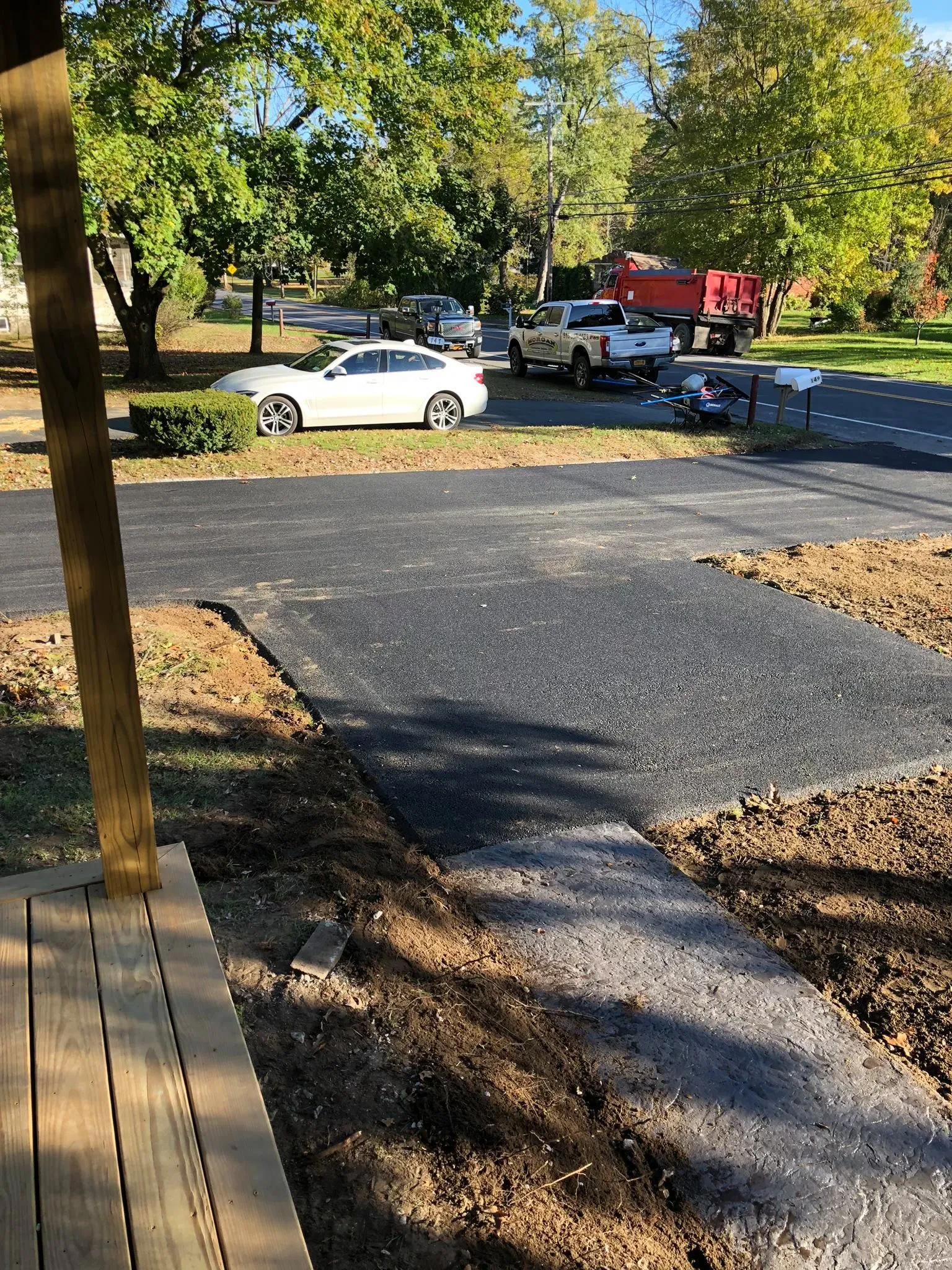
You know the drill. Spring hits, the snow melts, and suddenly your driveway’s holding water like a swimming pool. Or worse—cracks are spreading faster than you can ignore them.
That’s what happens when the base isn’t done right. When drainage is an afterthought. When someone rushes the job to get to the next one.
A properly paved driveway doesn’t puddle. It doesn’t crack in year two. It handles freeze-thaw cycles because it was built for them—not just laid on top and hoped for the best. You get a surface that sheds water, stands up to winter, and doesn’t need a redo before your car does.
We’ve been handling paving, asphalt, excavation, and foundation work in Burnt Hills and across Saratoga County since day one. Not through a call center. Not through a revolving door of project managers.
The owner picks up the phone. Shows up for the estimate. Stays involved through the pour. That’s how it’s been for over two decades, and it’s not changing.
Burnt Hills winters aren’t forgiving. Neither is poor workmanship. Local crews who’ve seen what works here—and what fails by February—make the difference between a driveway that lasts and one that becomes your annual headache.
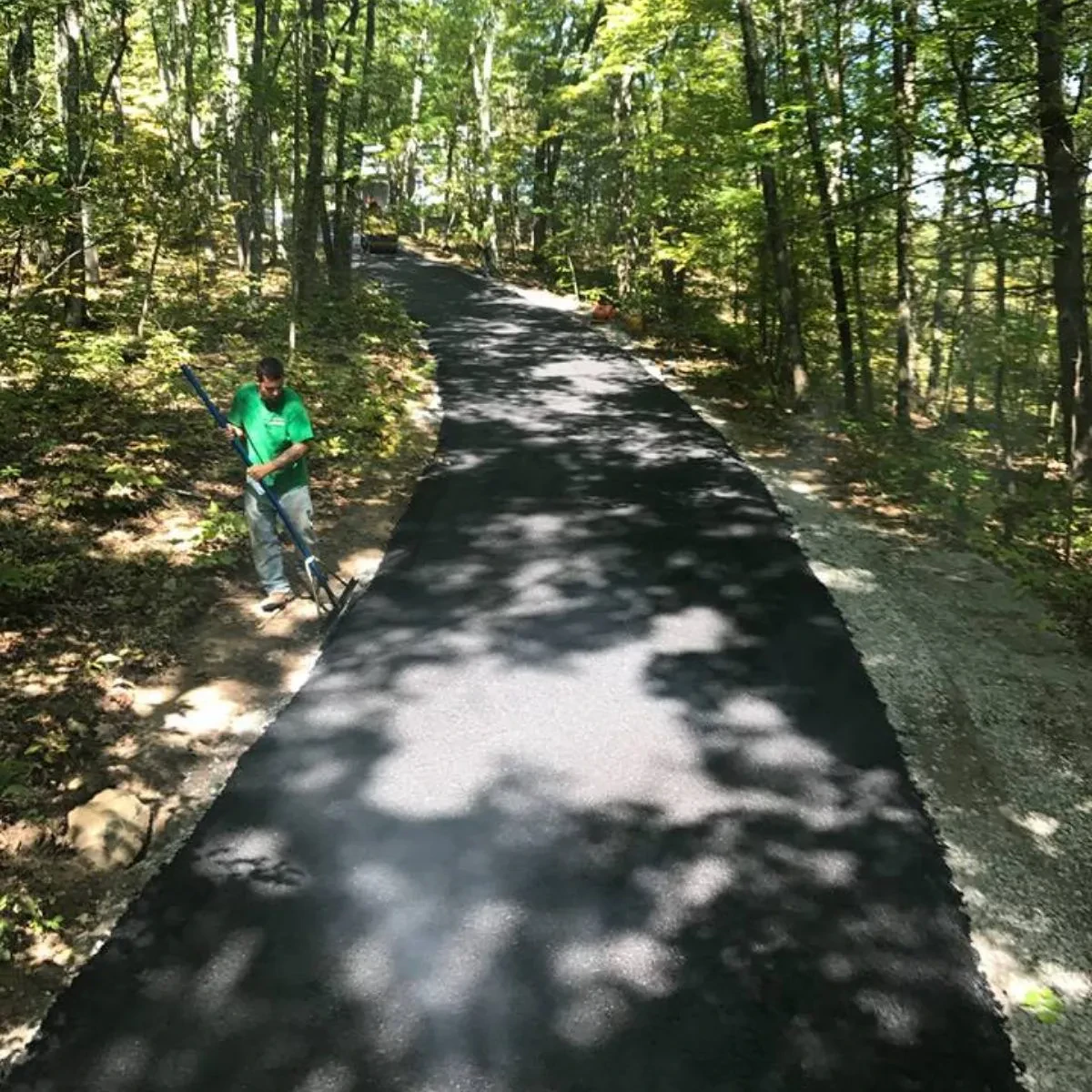
First, you get a real assessment. Not a number pulled from thin air. The owner comes out, looks at drainage, checks the existing base if there is one, and tells you what needs to happen and why.
If the ground’s not graded right, it gets fixed before anything gets paved. If there’s poor drainage, it gets addressed—not paved over and forgotten. The base gets compacted properly because that’s what holds up under traffic and weather, not just the top layer.
Once the surface goes down, it’s done right. Proper thickness for your use case. Clean edges. Smooth transitions. The kind of work that doesn’t need a redo in three years. You’re told upfront when you can drive on it, when to seal it, and what to expect as it cures. No mysteries, no callbacks asking why something’s already failing.
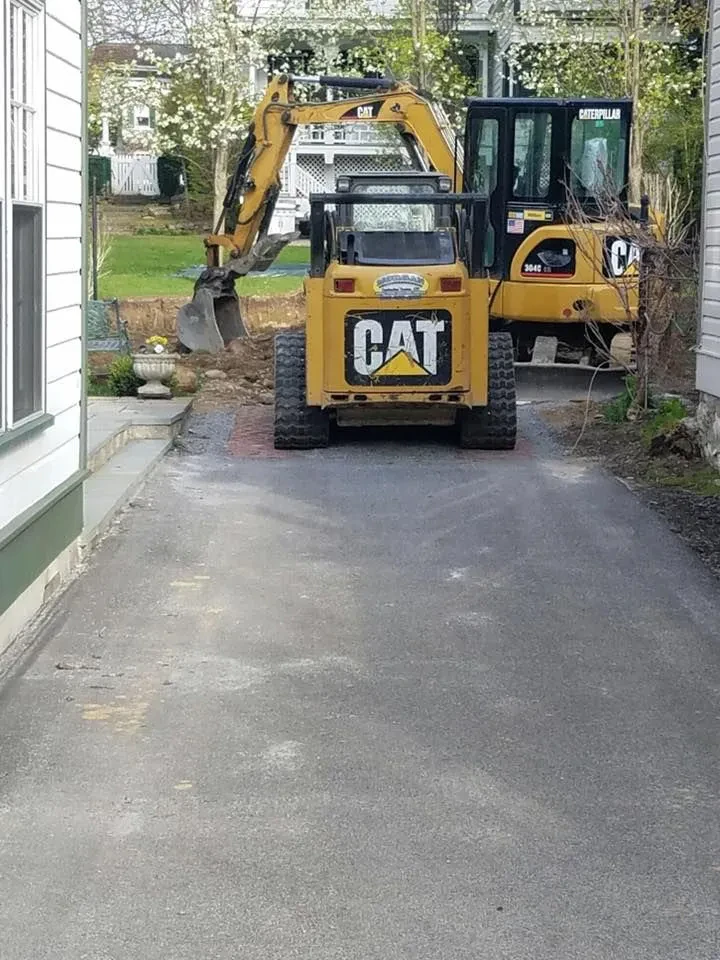
Ready to get started?
We handle residential driveways, commercial parking lots, asphalt repairs, excavation, and foundation work. If it involves sitework, it’s covered.
In Burnt Hills, that means understanding how water moves across properties. How frost heaves affect base stability. Why some driveways last 20 years and others start crumbling in five. It’s not magic—it’s proper grading, the right materials, and not cutting corners when no one’s watching.
Commercial projects get the same attention. Parking lots need to handle daily traffic, snow removal equipment, and water runoff without turning into a patchwork of fixes. Base prep and drainage aren’t optional. Neither is coordination—if your business can’t shut down for three days, the schedule reflects that.
Winter shifts to excavation and foundation work when paving season closes. Year-round availability means you’re not waiting until May for a March problem. Emergency response capability is there when you need it, not just when it’s convenient.
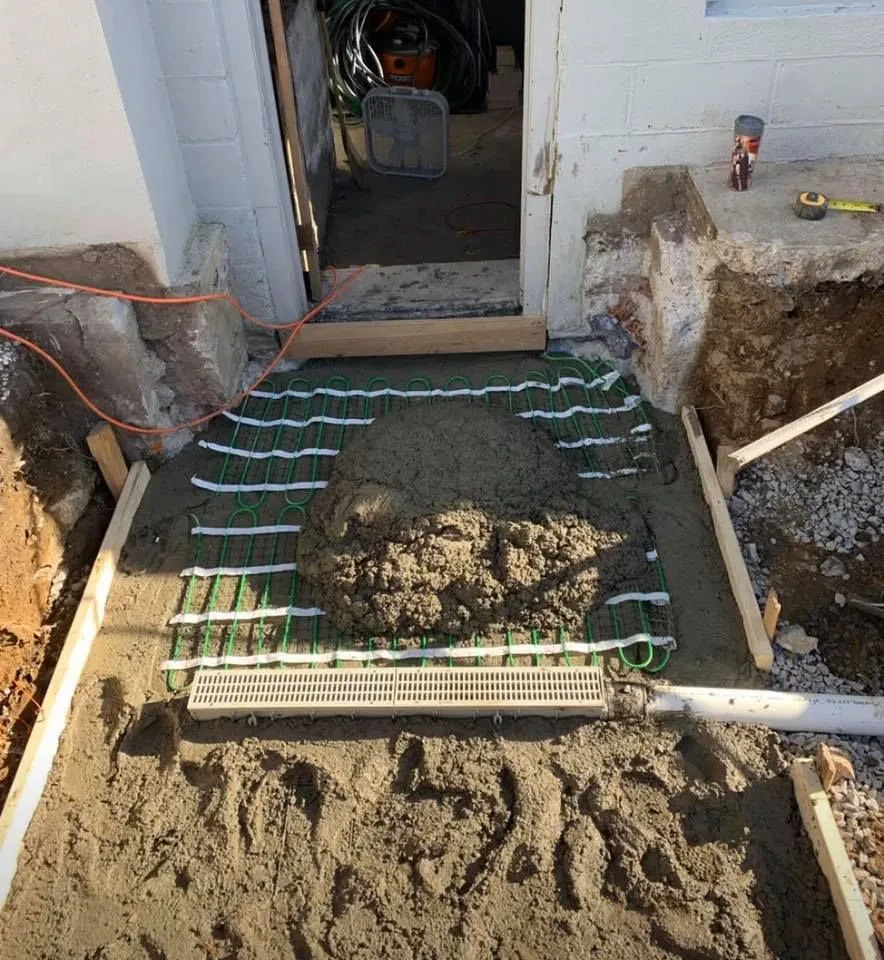
A properly installed asphalt driveway in Burnt Hills should last 15 to 25 years, sometimes longer with regular maintenance. The wide range comes down to how it was built.
If the base was compacted correctly, drainage was addressed, and the asphalt thickness matches your usage, you’re looking at the higher end. If someone skipped the base prep or paved over poor drainage, you’ll see cracking and failure much sooner—often within five years.
New York winters are brutal on asphalt. Freeze-thaw cycles exploit any weakness. Water gets into small cracks, freezes, expands, and turns minor issues into major ones. That’s why proper installation matters more here than in milder climates. Sealcoating every few years helps extend life, but it can’t fix a bad foundation.
The difference is usually in what’s not being said. A suspiciously low quote often means corners are getting cut—thinner asphalt, skipped base preparation, poor compaction, or drainage issues ignored.
Proper driveway paving in Burnt Hills requires removing old material if it’s failing, grading for drainage, installing and compacting a solid base, then laying asphalt at the right thickness for your needs. Residential driveways typically need 2 to 3 inches of asphalt over a compacted base. Heavier use requires more.
If someone’s quoting significantly less than others, ask what’s included. Is removal covered? What about grading? How thick is the asphalt? What happens if drainage is poor? A realistic quote accounts for the actual work needed, not just the work you want to pay for. Cheap now often means expensive later when you’re repaving in three years instead of fifteen.
You can typically drive on new asphalt after 2 to 3 days, but the full curing process takes longer—usually 3 to 4 weeks depending on weather conditions.
Those first few days are critical. The asphalt is still setting and vulnerable to damage from weight and turning movements. Light foot traffic is usually fine after 24 hours, but vehicles should wait. Avoid parking in the same spot repeatedly during the first week, and don’t turn your steering wheel while stationary—that can leave scuff marks or indentations.
Hot weather slows down how quickly you can use it because the asphalt stays softer longer. Cooler temperatures speed things up. We’ll give you specific guidance based on the conditions during your installation. Rushing it risks permanent damage to a surface you just paid to install correctly.
Yes. Asphalt paving in Burnt Hills and the Capital Region typically happens between April and October when temperatures consistently stay above 50°F. Cold weather prevents asphalt from compacting and curing properly.
If asphalt is laid when it’s too cold, it won’t bond correctly. It’ll be prone to premature cracking and failure. The material needs heat to stay workable during installation and to cure into a durable surface afterward.
That’s why most paving companies go quiet in winter. We shift to excavation and foundation work during those months, so you’re not stuck waiting until spring if you have a sitework project. But for actual asphalt paving, timing matters. Trying to force it outside the proper season just creates problems you’ll pay for later.
Poor drainage and improper base preparation are the main culprits in Saratoga County. Water is asphalt’s worst enemy, especially when it freezes.
If your driveway wasn’t graded to shed water, or if the base wasn’t compacted properly, water sits under the surface. When temperatures drop, that water freezes and expands, pushing up on the asphalt. When it thaws, it leaves voids. This cycle repeats all winter, and cracks start appearing.
Thin asphalt also cracks faster. If someone laid down 1.5 inches to save money instead of the 2 to 3 inches you actually need, it won’t hold up. And if the edges weren’t supported properly, they’ll crumble under weight and weather. Quality installation costs more upfront, but it’s the difference between a driveway that lasts two decades and one that needs replacement in five years.
Yes, sealcoating extends the life of your asphalt driveway by protecting it from water, UV damage, and chemicals. You should seal it for the first time about 6 to 12 months after installation, then every 2 to 3 years after that.
New asphalt needs time to cure before sealing. If you seal too early, you trap oils that need to evaporate. Wait at least six months, ideally closer to a year.
Sealcoating fills small surface cracks, blocks water penetration, and protects against gas and oil spills that break down asphalt. In Burnt Hills, where winter is harsh and road salt is everywhere, that protection matters. Skipping it means your driveway ages faster and needs replacement sooner. It’s a relatively inexpensive maintenance step that adds years to your investment.
Other Services we provide in Burnt Hills