Asphalt paving company also offering concrete work, excavating, and snow removal services.
Contact Info
-
130 Co Rd 70
Stillwater, NY 12170 - Call: 518-935-3068
- Text: 518-935-3068
- Mon - Sun: 7am - 7pm
Contact Info
Hear From Our Clients
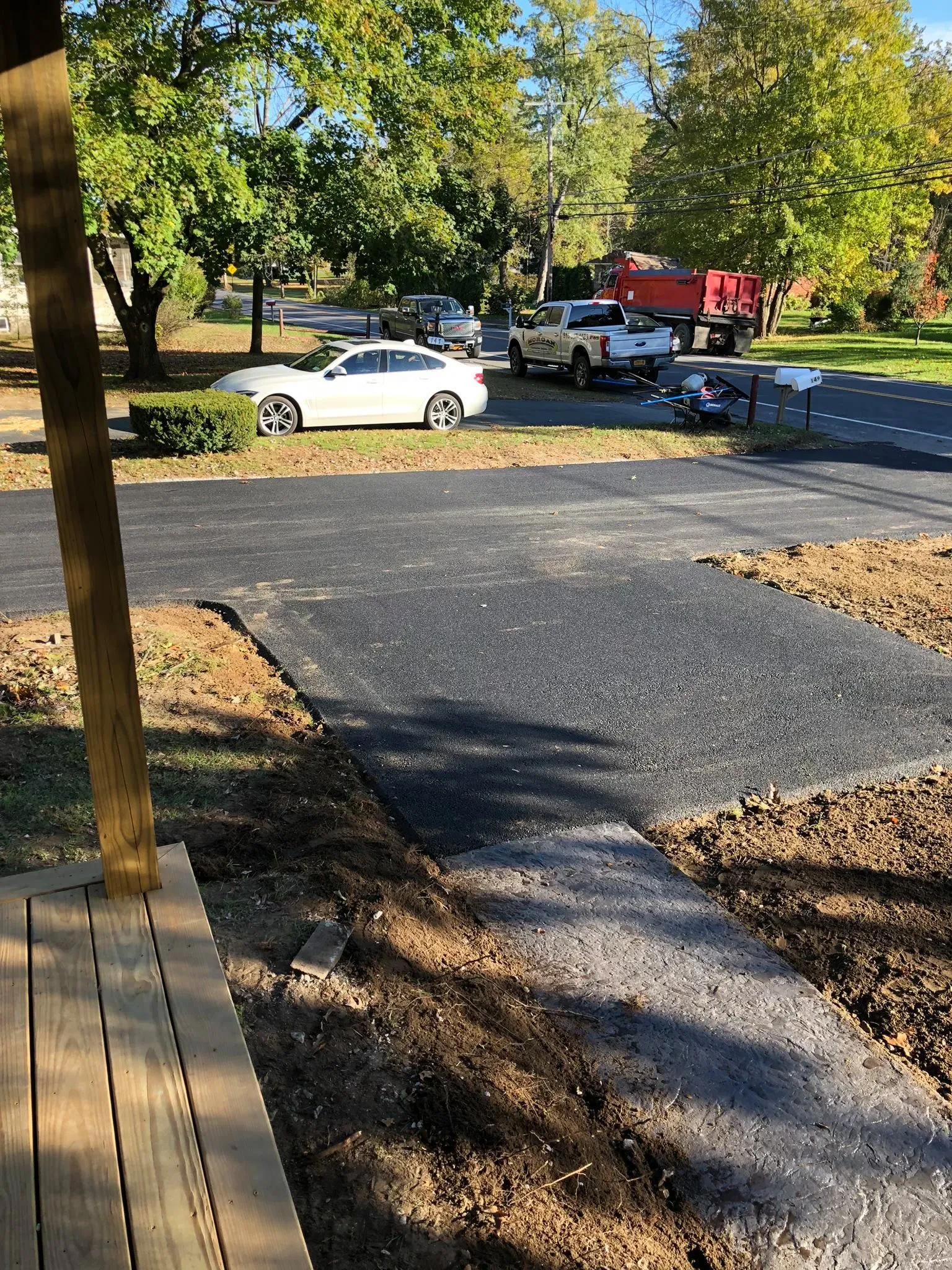
You’re done dealing with cracked driveways that make your property look neglected. You’re tired of potholes that jar your car every time you pull in. And you’re definitely over wondering if the pavement will hold up through another brutal Adirondack winter.
Here’s what changes when the job’s done right. Your driveway or parking lot drains properly, so water doesn’t pool and seep into the base. The surface stays smooth because it was built on a solid foundation, not rushed through to save time. And when the snow melts and refreezes all winter long, the asphalt flexes instead of cracking apart.
You get a surface that actually does its job—giving vehicles a stable place to park, keeping your property looking sharp, and lasting for decades instead of needing constant repairs. That’s the difference between a contractor who knows what they’re doing and one who’s just trying to get to the next job.
We’ve been handling paving, asphalt, excavation, and foundation work in Chestertown and the surrounding Warren County region for over 25 years. We’re not a crew that shows up for peak season and disappears when the weather turns. Year-round availability means you get paving in the warmer months and foundation or land clearing work when others shut down for winter.
Owner-operated means you’re talking directly to the person who makes decisions, manages the crew, and stands behind the work. No sales reps. No runaround. Just straightforward answers and honest pricing from someone who’s been doing this long enough to know what works in this area.
Chestertown properties come with their own challenges—longer driveways, older homes with unique layouts, and weather that tests every surface. Local experience matters when you’re planning drainage, choosing materials, and timing the work.
It starts with a conversation about what you need and what you’re dealing with now. No pressure, no sales pitch—just a clear discussion about your property, your timeline, and your budget. Then there’s an on-site visit to measure the area, check drainage, and look at the existing base. That’s where you find out what’s really required, not what sounds good in a sales brochure.
Preparation comes next, and it’s the part that separates quality work from quick work. The subgrade has to be stable and properly compacted. Soft spots get removed and replaced. Drainage gets addressed before any asphalt goes down. If the foundation isn’t right, nothing built on top of it will last.
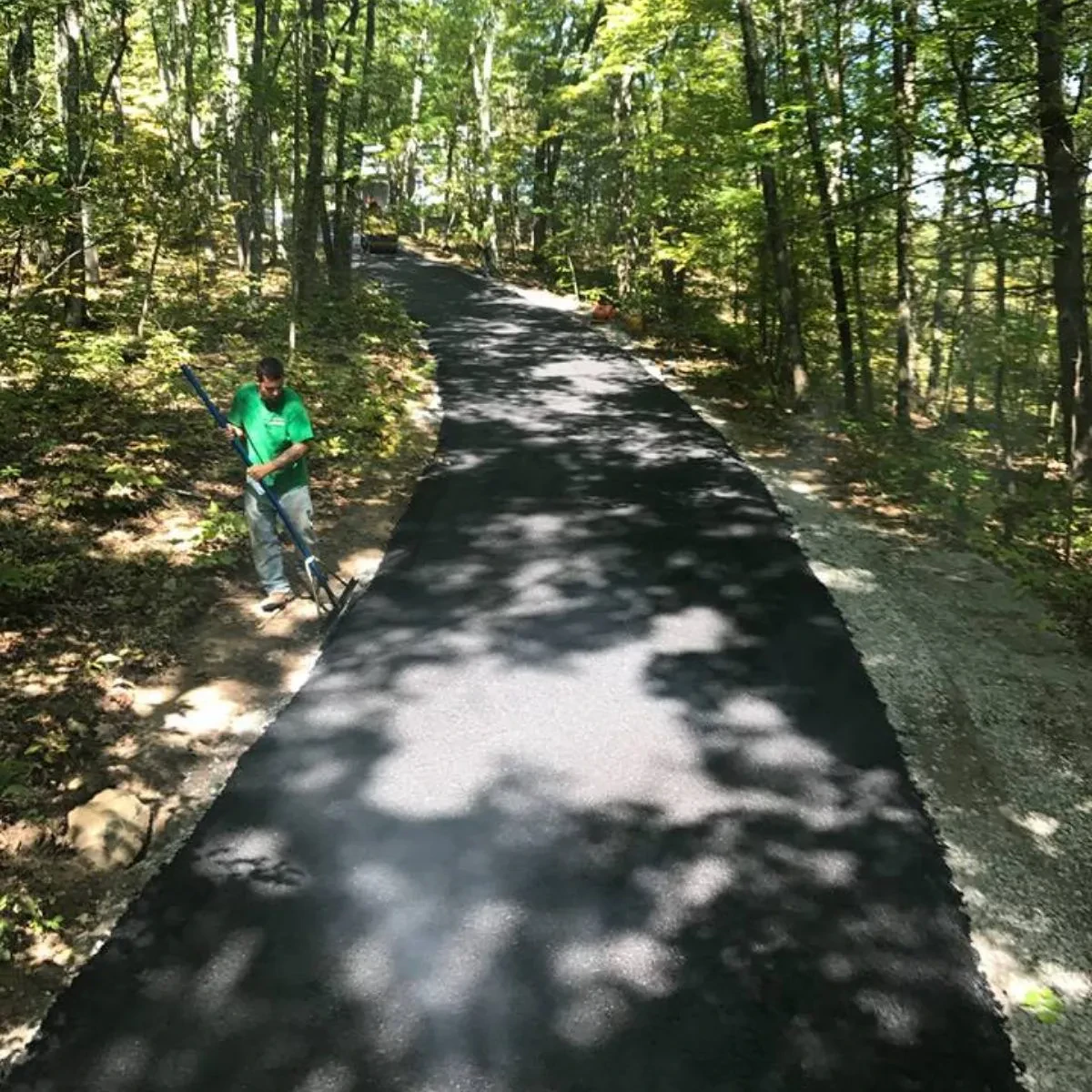
When it’s time to pave, the asphalt goes down in proper layers at the right thickness for your specific use—whether that’s a residential driveway handling family cars or a commercial lot dealing with delivery trucks. Compaction happens while the material is still hot, locking everything in place. Within a day or two, the surface is ready to use.
After the job’s done, you get straightforward information about maintenance. Sealcoating every few years protects the surface. Filling small cracks early prevents big problems later. It’s not complicated, but it matters if you want the pavement to last.
Ready to get started?
Residential driveway paving means building a surface that handles daily vehicle traffic and stands up to Chestertown’s freeze-thaw cycles. That typically includes a properly compacted aggregate base, a layer of dense-graded asphalt, and a smooth surface layer. The thickness depends on your driveway’s length, the number of vehicles, and the soil conditions on your property.
Commercial parking lot paving is a different animal. The base needs to be thicker and stronger to support heavier loads. Drainage becomes even more critical because water sitting on a commercial lot accelerates damage and creates liability issues. Proper grading, compaction, and material selection aren’t optional—they’re what keeps a parking lot functional for 20 years instead of failing in five.
Both residential and commercial work in this area have to account for winter. Asphalt handles cold better than concrete because it flexes with temperature changes instead of cracking. The dark surface absorbs heat, which means snow and ice melt faster. And when salt hits the pavement all winter long, asphalt doesn’t deteriorate the way other materials do.
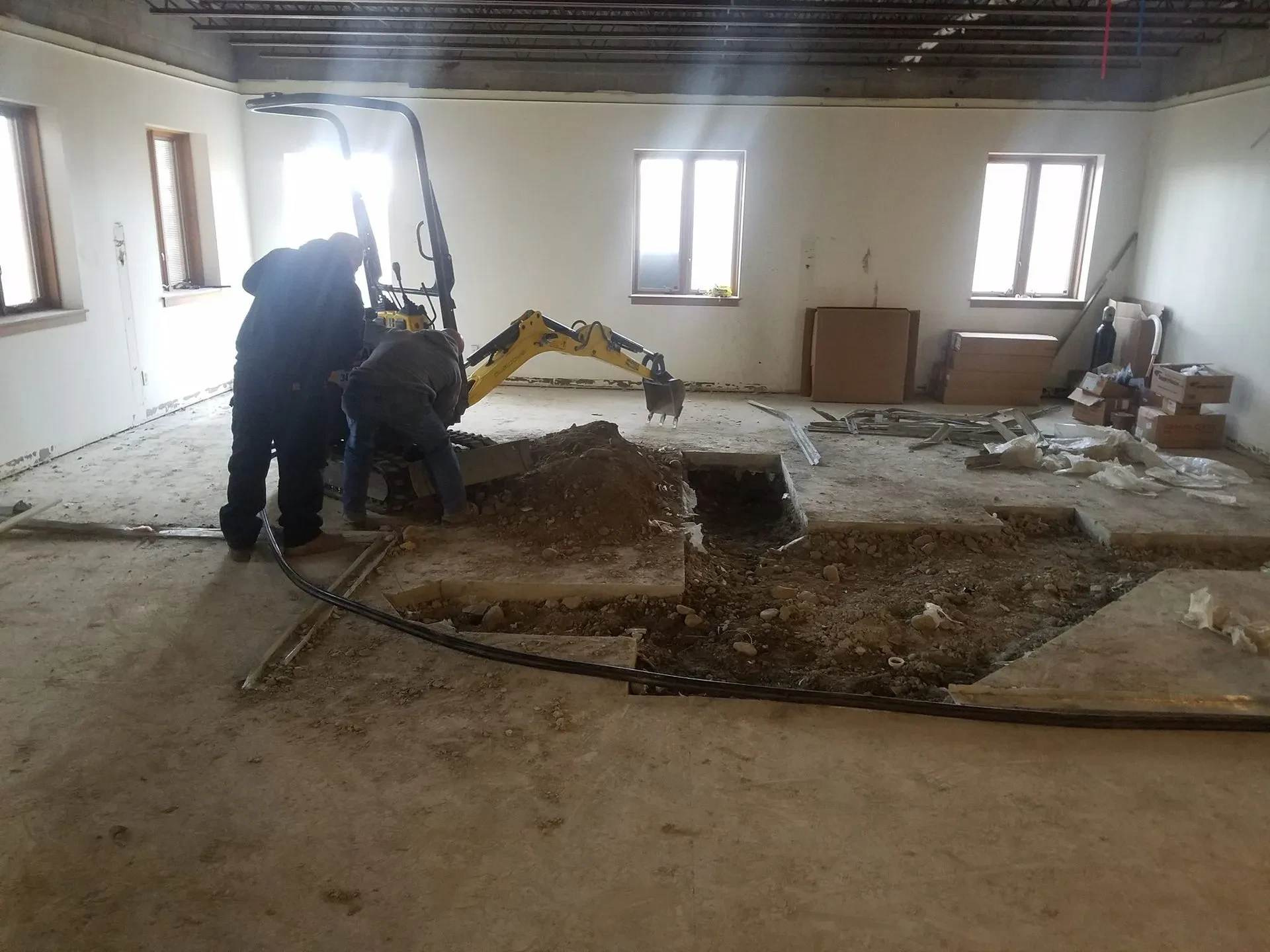
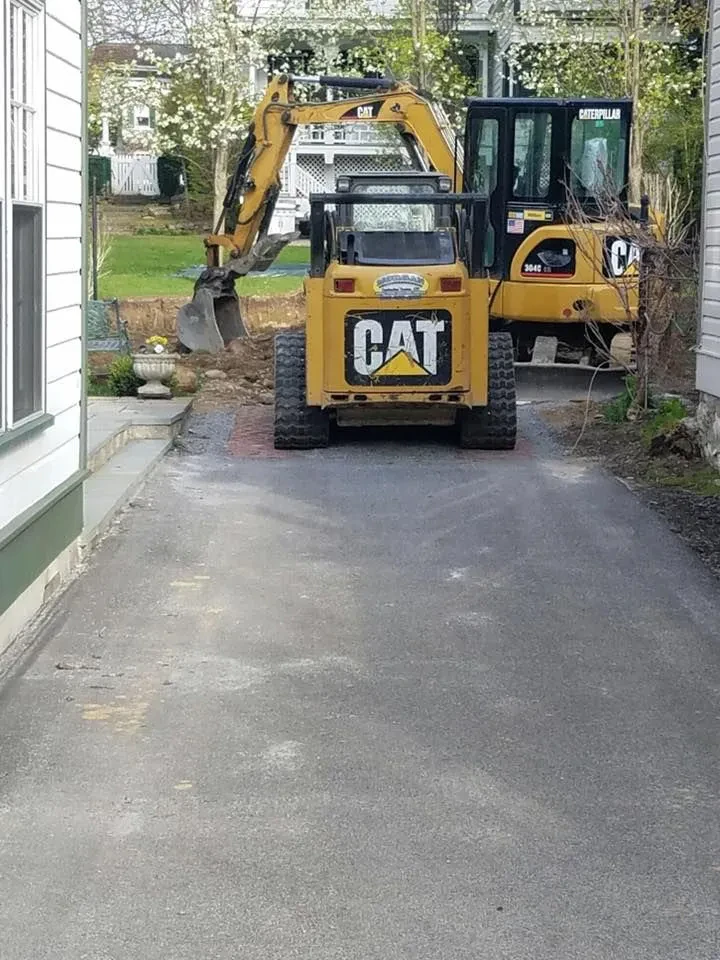
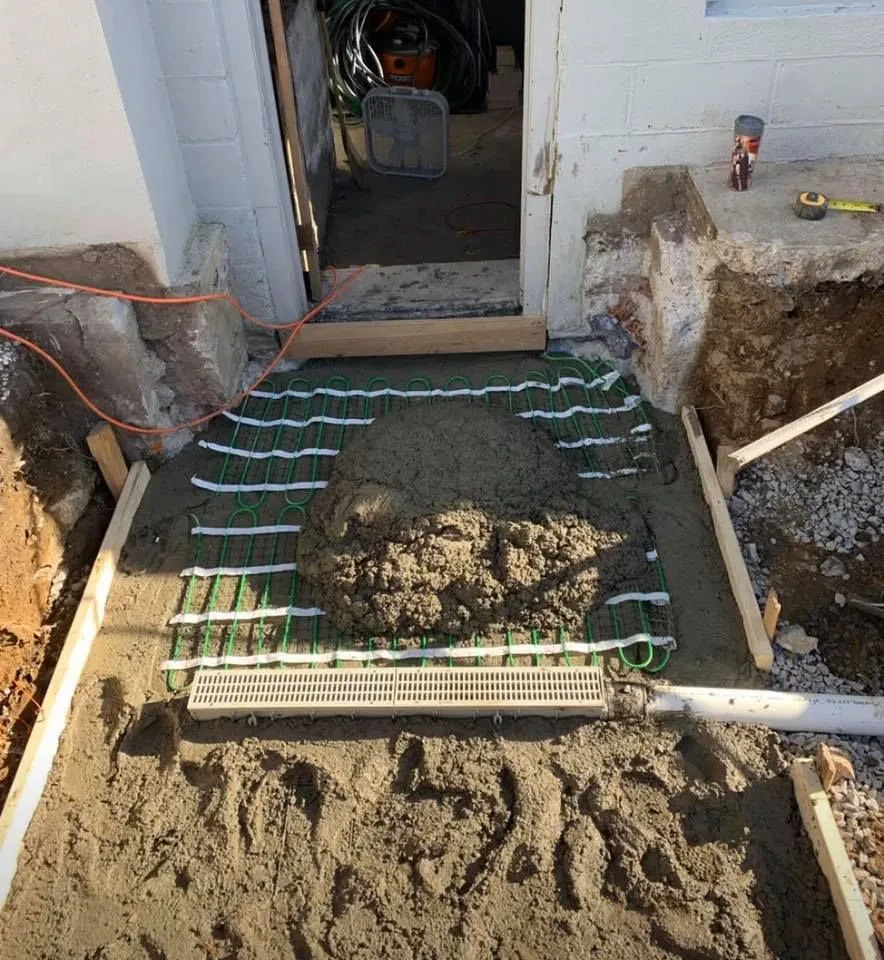
Excavation and foundation services tie into paving work more often than people realize. Sometimes you need land cleared before a driveway goes in. Other times, drainage issues require digging and regrading before asphalt can be laid. Having one contractor handle the full scope means better coordination and fewer headaches.
With proper installation and regular maintenance, an asphalt driveway or parking lot in Chestertown should last 20 to 30 years. The key factors are a solid base, proper drainage, and routine care like sealcoating every few years.
Chestertown’s freeze-thaw cycles are tough on pavement, but asphalt handles it better than concrete. The material flexes with temperature changes instead of cracking apart. When water gets into cracks and freezes, that’s when you see real damage—so keeping small cracks filled and the surface sealed makes a huge difference in longevity.
Poor installation cuts that lifespan dramatically. If the base isn’t compacted correctly or drainage wasn’t addressed, you might see problems in just a few years. That’s why the prep work matters as much as the asphalt itself.
The main difference is load capacity. Residential driveways are built to handle cars and light trucks. Commercial parking lots need to support heavier vehicles, more frequent traffic, and sometimes delivery trucks or equipment.
That means commercial paving requires a thicker base—often 8 inches of compacted aggregate compared to 6 inches for residential. The asphalt layers are also thicker, and the entire structure is engineered for more stress. Drainage is more complex because a commercial lot has more surface area and stricter requirements.
Timeline and complexity differ too. A residential driveway might take a couple of days. A commercial parking lot could take weeks, especially if the work has to be phased to keep the business operational. Permits, ADA compliance, and striping all add layers that don’t apply to most residential jobs.
Asphalt driveway paving typically runs between $7 and $15 per square foot in this area, though the exact cost depends on several factors. A standard residential driveway averages around $4,000 to $6,000, but that can go up or down based on size, site conditions, and prep work required.
If your property has drainage issues, needs significant grading, or has poor soil that requires extra base material, the cost increases. Longer driveways obviously cost more than shorter ones. And if there’s existing pavement that needs to be removed, that adds to the total.
The best way to know what your specific project will cost is an on-site assessment. That’s where you find out what’s really involved—not just square footage, but the condition of what’s there now, how water moves across the property, and what prep work is necessary. Honest pricing comes from understanding the actual scope, not guessing from a phone call.
Late spring through early fall is ideal for asphalt paving in Chestertown. You need temperatures consistently above 50 degrees for the asphalt to compact properly and cure correctly. That usually means May through October in this area.
Paving in cooler weather shortens the window for compaction, which can compromise the finished surface. Rain delays work and creates problems with the base. So while you might see contractors paving into late fall if the weather holds, the best results come from scheduling during the warmer months.
That said, prep work like excavation, grading, and base installation can happen outside the paving season. If you’re planning a spring paving project, getting the groundwork done in late winter or early spring means everything’s ready when temperatures rise. Planning ahead gives you more flexibility and often better scheduling.
Yes, if you want it to last. Sealcoating protects asphalt from water, UV rays, oil, and salt—all the things that break down the surface over time. It’s like sunscreen for your driveway. Without it, the asphalt ages faster, cracks form sooner, and you end up needing repairs or replacement years earlier than necessary.
Most driveways should be sealcoated every two to five years, depending on traffic and weather exposure. The first application usually happens a year or so after installation, once the asphalt has fully cured. After that, it’s a regular maintenance item that costs a fraction of what repaving does.
You’ll know it’s time when the surface starts looking faded or gray instead of deep black. Small cracks might be forming. The texture feels rougher. Those are signs the protective layer is wearing thin and it’s time to reapply. Catching it early prevents water from penetrating and causing bigger problems.
Sometimes, but not always. It depends on the condition of what’s already there. If the existing driveway has a solid base, minimal cracking, and no major drainage issues, an overlay can work. You’re essentially adding a new layer of asphalt on top of the old surface.
But if the current driveway is badly cracked, sinking in spots, or has drainage problems, an overlay just covers up issues that will resurface quickly. In those cases, removal and replacement is the better move. You’re spending money either way—might as well spend it on something that actually lasts.
An on-site assessment tells you which approach makes sense. Sometimes you can save money with an overlay. Other times, trying to cut corners with an overlay ends up costing more when it fails prematurely. Honest evaluation up front prevents regrets later.
Other Services we provide in Chestertown