Asphalt paving company also offering concrete work, excavating, and snow removal services.
Contact Info
-
130 Co Rd 70
Stillwater, NY 12170 - Call: 518-935-3068
- Text: 518-935-3068
- Mon - Sun: 7am - 7pm
Contact Info
Hear From Our Clients
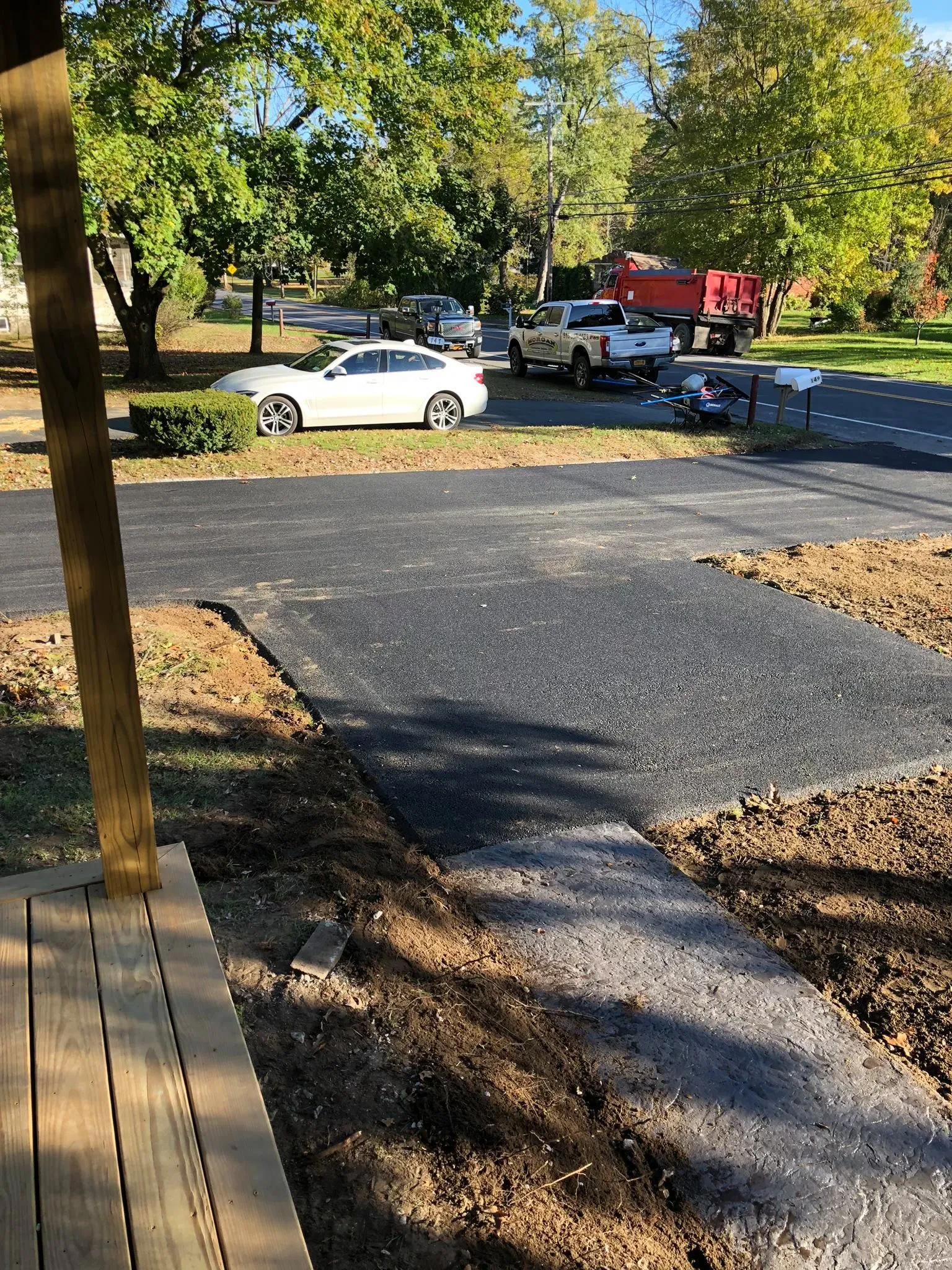
When your driveway or parking lot is done right, you stop thinking about it. No more standing water after a storm. No more cracks spreading every spring. No more calling around for emergency patches because the last guy didn’t prep the base correctly.
You get a smooth surface that drains properly, holds up under traffic, and actually looks like someone cared about the outcome. Whether it’s your home driveway or a commercial lot that sees trucks daily, the work needs to match the load. That’s where experience matters.
We’ve been handling residential and commercial paving across Hartman and the surrounding region for over 25 years. Our crew knows how local weather hits asphalt, what base materials hold up in this soil, and how to grade for drainage before the first load of asphalt even arrives. You’re not getting a cookie-cutter job—you’re getting a project built for your property and the conditions it faces.
We’re not a call center with a paving division. We’re an owner-operated business where the person who answers your call is the same person managing your project. That’s been the standard here for more than 25 years.
You get competitive pricing without the runaround. Honest answers about timelines, materials, and what your property actually needs. If there’s a problem, you’re not leaving voicemails—you’re talking directly to someone who can solve it.
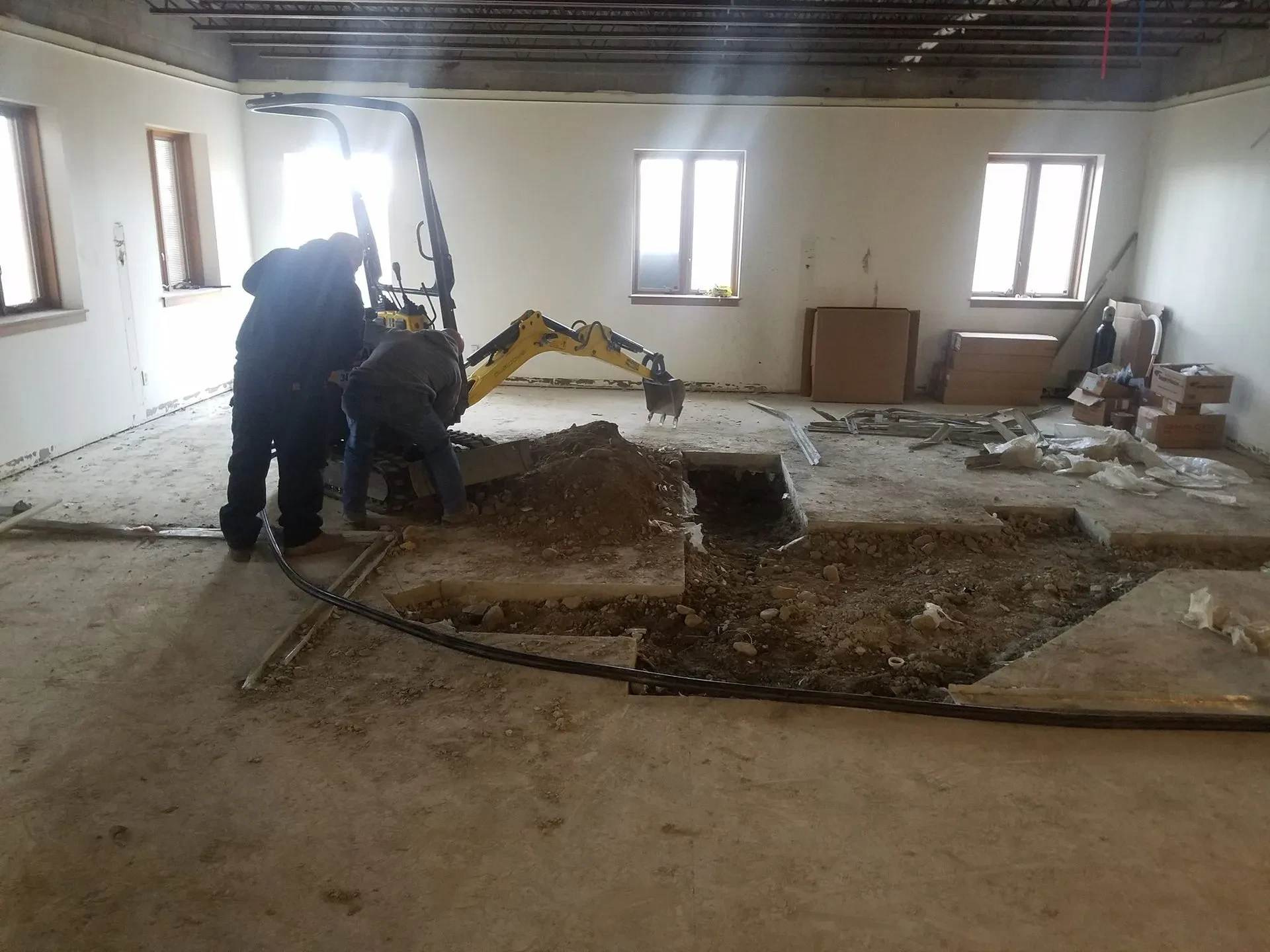
We handle everything from residential driveway paving to commercial parking lots, plus excavation and foundation work when the weather shifts. Hartman winters mean paving season has limits, but we stay busy year-round with site prep, foundations, and land clearing. That kind of consistency doesn’t happen by accident.
First, the site gets evaluated. That means looking at drainage, checking the existing base, and figuring out what prep work needs to happen before any asphalt goes down. If the base isn’t solid, the surface won’t last—it’s that simple.
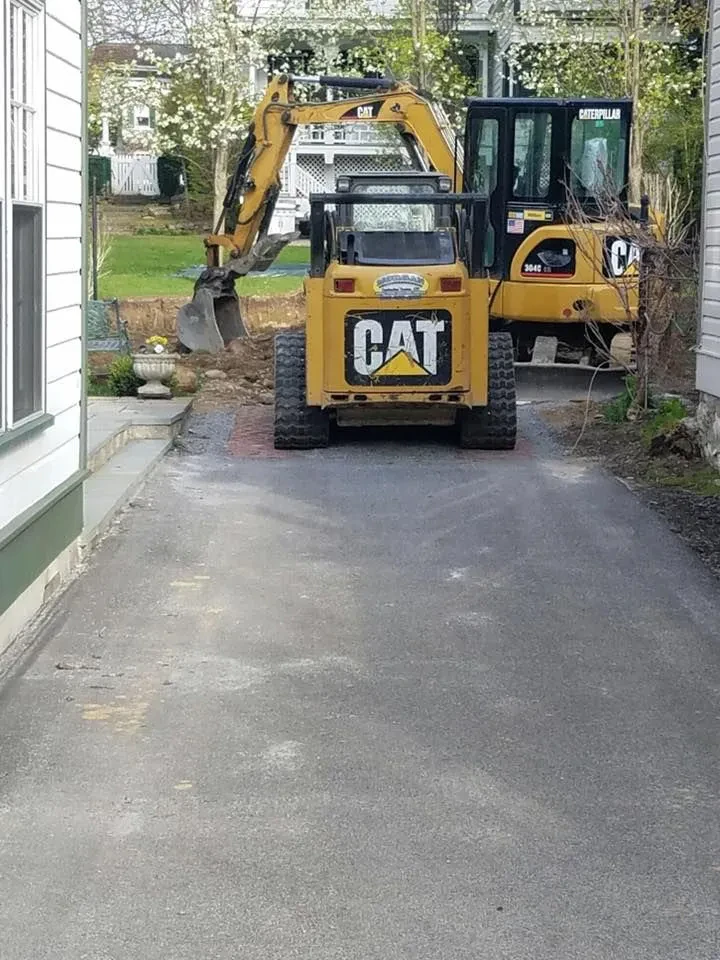
Next comes excavation and grading. We remove any failing material, bring in proper base stone, and grade everything so water moves away from buildings and doesn’t pool on the surface. This step gets skipped by contractors trying to save time, and that’s why you see premature cracking and settling.
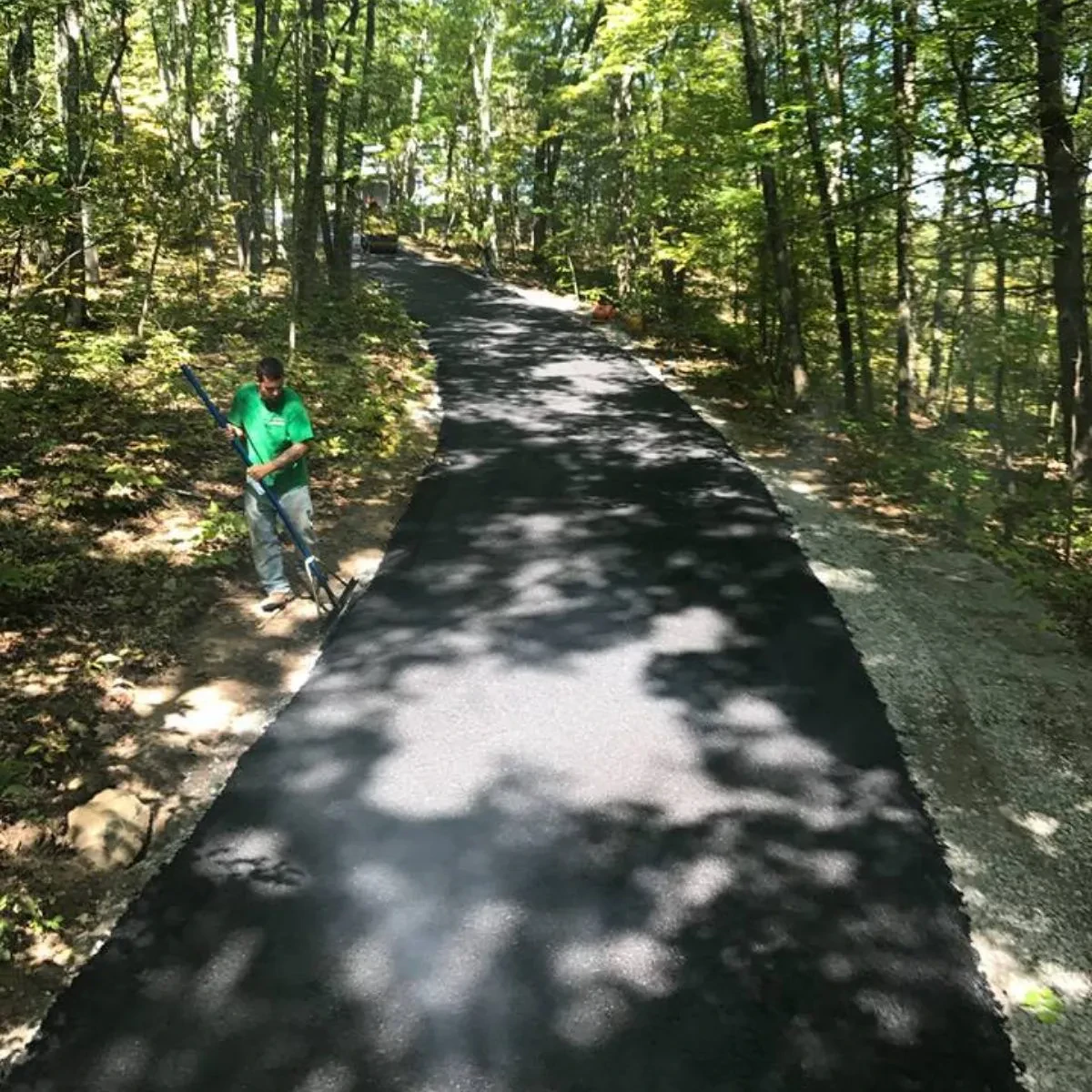
Then the asphalt gets installed. The material arrives hot, gets spread evenly, and gets compacted with the right equipment while it’s still workable. Edges get hand-tamped at transitions to avoid trip hazards. The whole process moves efficiently because we’ve done this hundreds of times.
After installation, you’ll get guidance on curing time and when it’s safe to drive on the new surface. Typically that’s 24-48 hours depending on weather. You’ll also hear about sealcoating down the line—usually every few years to protect the surface and extend its life. No pressure, just information so you can plan ahead.
Ready to get started?
Whether it’s a residential driveway or a commercial parking lot, the service includes site evaluation, proper base preparation, professional asphalt installation, and grading for drainage. You’re also getting direct communication with the owner, which means questions get answered and problems get handled without delays.
For commercial projects in Hartman, that often means coordinating around business hours, managing larger equipment, and meeting stricter requirements for drainage and load-bearing capacity. Parking lots see heavier traffic than driveways, so the asphalt needs to be thicker and the base more robust. We handle that difference without charging you for unnecessary extras.
Residential driveway paving focuses on curb appeal, proper drainage away from your foundation, and a surface that handles daily family traffic. The approach is straightforward: assess what’s there, remove what’s failing, build a solid base, and install asphalt that’s appropriate for the load. If you’ve got specific concerns—like drainage issues or a steep grade—those get addressed in the planning stage, not after the asphalt is down.
Emergency response is available when you need it. A collapsed section of driveway or a parking lot safety hazard can’t always wait for next week’s schedule. Having access to a crew that can mobilize quickly makes a real difference when timing matters.
Properly installed asphalt in this region typically lasts 15 to 30 years, depending on traffic, maintenance, and how well the base was prepared. The key word there is “properly installed.”
If the base isn’t compacted correctly or drainage wasn’t planned for, you’ll see problems within a few years. Cracks, settling, and potholes show up when water gets under the surface and freezes. That’s why base prep and grading matter so much upfront.
Maintenance extends the life significantly. Sealcoating every few years protects the surface from UV damage, water infiltration, and chemicals like oil or salt. Filling cracks as they appear prevents them from spreading. Most people get two decades or more out of a well-maintained driveway or parking lot.
Commercial paving handles heavier loads and higher traffic volumes, so it requires thicker asphalt and a more robust base. A parking lot that sees delivery trucks daily needs different specs than a residential driveway that handles a few cars.
Commercial projects also involve stricter requirements—things like ADA compliance, stormwater management, and sometimes phased work to keep businesses operational during installation. The equipment is larger, the timelines are longer, and the coordination is more complex.
Residential paving focuses on your home’s needs: proper drainage away from the foundation, a smooth surface for daily use, and an appearance that fits the neighborhood. The scale is smaller, the process is faster, and the specs are tailored to light vehicle traffic. Both require experience, but the approach differs based on what the surface will actually face.
Costs vary based on size, site conditions, and how much prep work is needed. A typical residential driveway in this area might run anywhere from $3,000 to $7,000, though larger or more complex projects cost more.
The price includes excavation, base material, grading, asphalt installation, and compaction. If your existing driveway is failing or drainage needs major correction, expect the price to reflect that extra work. Trying to cut corners on base prep just means you’ll pay for repairs sooner.
Commercial parking lot paving runs $2 to $5 per square foot depending on thickness, base requirements, and site access. Larger projects often get better per-square-foot pricing, but every site is different. The best approach is to get an honest evaluation of what your property needs, not a lowball estimate that ignores reality.
Asphalt paving works best in warmer months—typically late spring through early fall. The material needs heat to install properly and cure correctly. Cold weather makes asphalt harder to work with and slows the curing process.
That doesn’t mean winter shuts everything down. Site prep, excavation, and foundation work can happen year-round when weather permits. We shift focus to those services during colder months, so projects can be staged across seasons if needed.
If you’re planning a paving project, reaching out in early spring gets you on the schedule before the busy season fills up. But if you’ve got an emergency—like a safety hazard or a collapsed section—don’t wait for perfect weather. Emergency response is available when the situation demands it.
Sealcoating isn’t required, but it significantly extends the life of your asphalt. It protects the surface from UV rays, water infiltration, oil stains, and the freeze-thaw cycles that cause cracking in this climate.
Most experts recommend sealcoating every two to five years depending on traffic and exposure. A residential driveway might go three to four years between applications. A busy commercial lot might need it more frequently.
The process is straightforward: the surface gets cleaned, any cracks get filled, and a protective sealant gets applied. It dries within a day or two, and you’re back to normal use. Skipping sealcoating doesn’t ruin your asphalt immediately, but it does mean you’ll face more repairs and a shorter lifespan overall. It’s a maintenance step that pays for itself in avoided replacement costs.
Experience matters more than anything. A contractor who’s been working in this region for years understands local soil conditions, weather patterns, and what base materials hold up. They also have a track record you can verify.
Look for transparent pricing with no hidden fees. If the estimate seems too low, it probably is—and you’ll pay the difference in repairs later. Ask about the process: how they handle base prep, drainage, and compaction. If they can’t explain it clearly, that’s a red flag.
Direct communication is key. Can you reach the person making decisions, or are you stuck in a phone tree? Do they show up when they say they will? Are they willing to answer questions without getting defensive? Those details tell you a lot about how the project will actually go. You want someone who treats your property like it matters, not just another number on the schedule.
Other Services we provide in Hartman