Asphalt paving company also offering concrete work, excavating, and snow removal services.
Contact Info
-
130 Co Rd 70
Stillwater, NY 12170 - Call: 518-935-3068
- Text: 518-935-3068
- Mon - Sun: 7am - 7pm
Contact Info
Hear From Our Clients
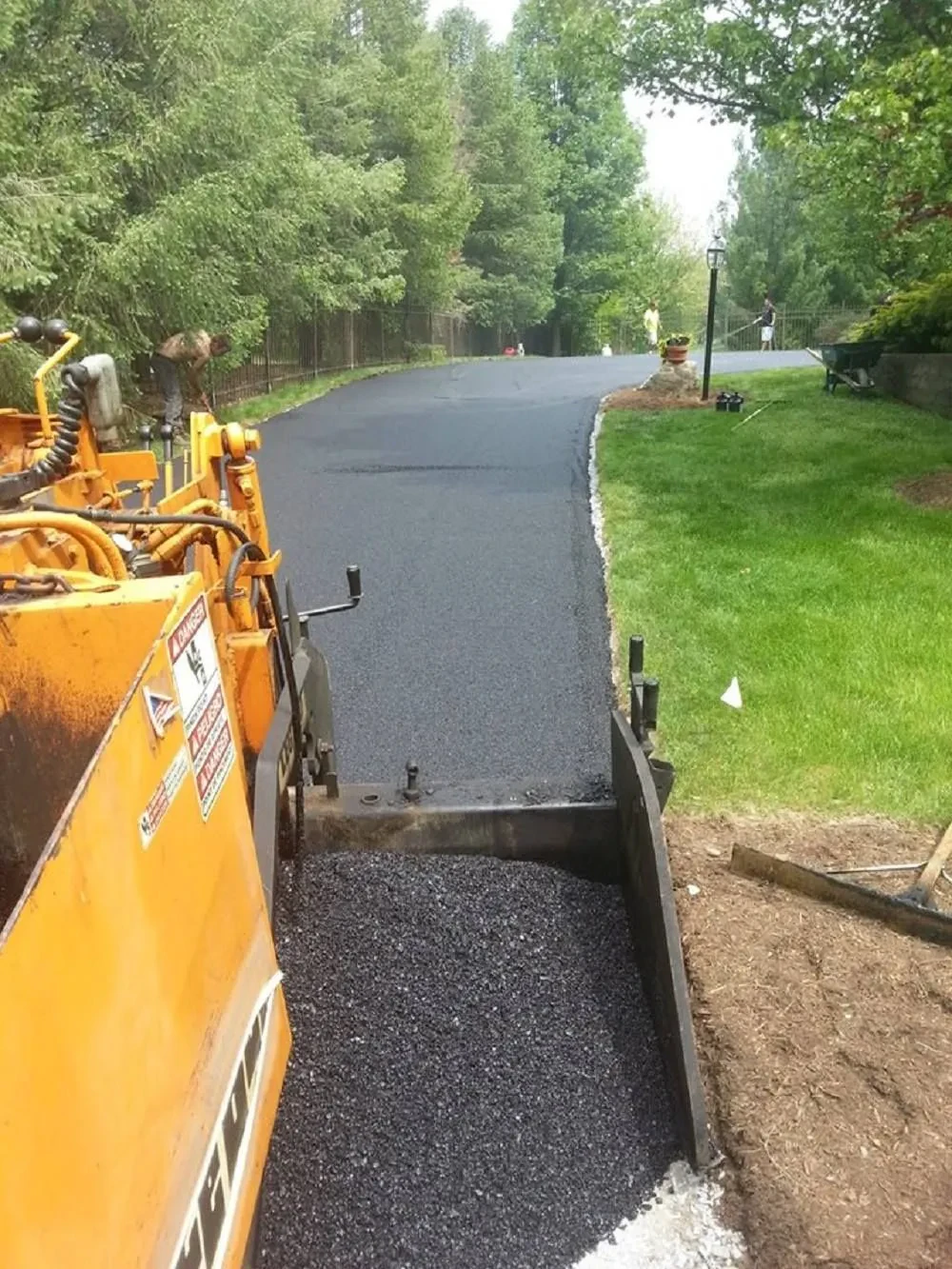
You’re looking at a driveway that handles upstate New York winters without cracking apart in three years. A parking lot that doesn’t turn into a liability every spring. Asphalt that actually lasts because the base was prepped correctly and the installation wasn’t rushed.
When we handle your asphalt paving project, you’re getting more than fresh blacktop. You’re getting a surface built to handle freeze-thaw cycles, heavy loads, and the kind of weather that tears apart shortcuts. The owner’s on-site managing the work, so there’s no game of telephone between you and whoever’s running the equipment.
Your property looks professional. Your asphalt performs. And you’re not calling someone back in two years because the job was half-done the first time.
We’ve been handling asphalt, paving, excavation, and foundation work across Mosherville and Saratoga County for over 25 years. This isn’t a crew that parachutes in from three counties over. Our business is rooted here, and the owner’s involved in every project from estimate to cleanup.
You’re not dealing with a call center or a project manager who’s never touched a paver. You’re talking directly to the person responsible for the work. That means honest assessments, realistic timelines, and pricing that doesn’t mysteriously inflate once the job starts.
Mosherville properties face real challenges—harsh winters, temperature swings, and the kind of seasonal wear that exposes poor workmanship fast. We’ve spent decades learning what holds up and what doesn’t. That experience shows in driveways that don’t buckle and parking lots that don’t need emergency repairs every spring.
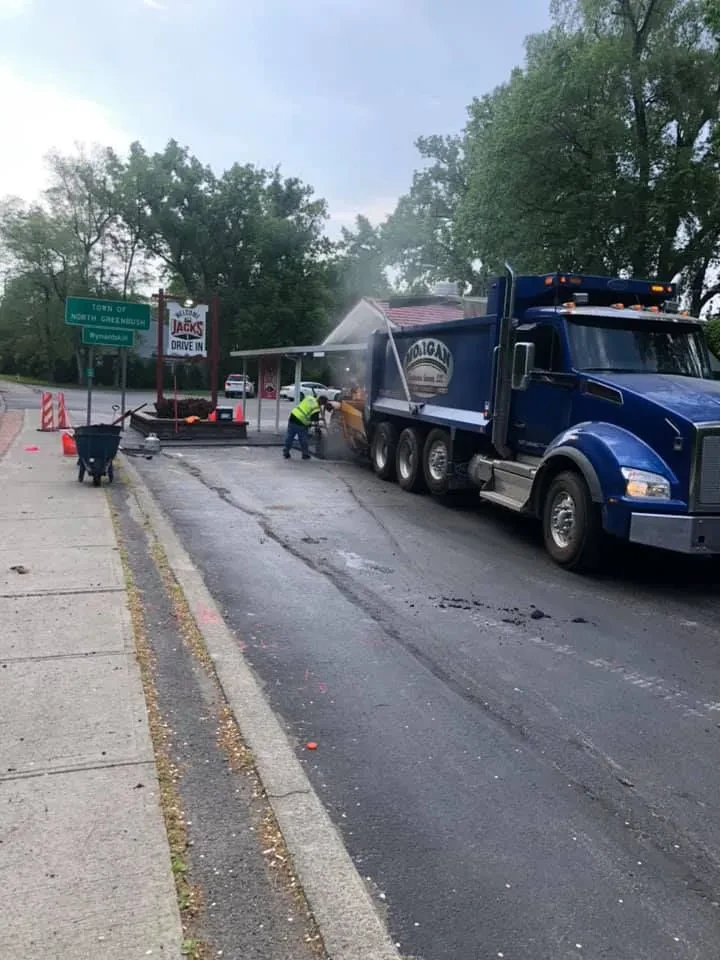
First, the owner comes out to look at your property. Not a sales rep—the actual person running the job. You’ll get a clear explanation of what needs to happen, what it’ll cost, and how long it takes. No pressure, no upselling services you don’t need.
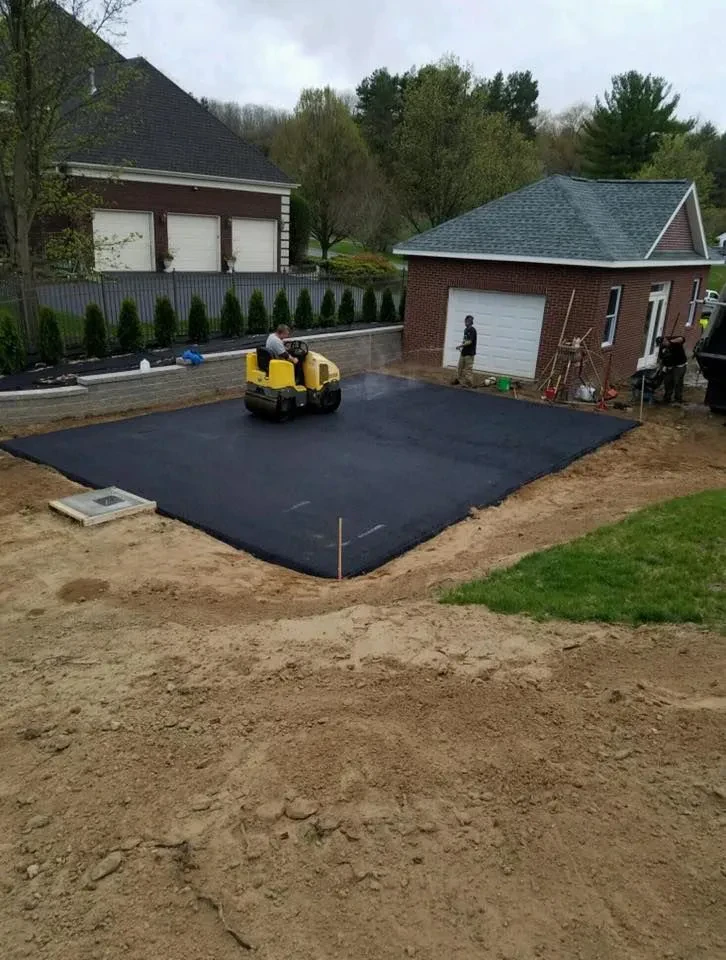
If you move forward, our crew preps the site properly. That means grading for drainage, compacting the base so it doesn’t settle, and making sure water has somewhere to go that isn’t under your asphalt. Corners don’t get cut here because the owner’s reputation is attached to every job.
The asphalt goes down hot and gets compacted correctly. You’ll know when you can park on it and what to expect during curing. If you need sealcoating down the road or have questions about maintenance, you’ve got a direct line to someone who’ll actually answer. The relationship doesn’t end when the crew leaves.

Ready to get started?
We handle asphalt driveways, parking lots, excavation, and foundation work for residential and commercial clients. That range matters in Mosherville, where paving season is short and winter projects keep the business running year-round. You’re not dealing with a contractor who disappears from November to April.
Asphalt paving here means dealing with Saratoga County’s freeze-thaw cycles. The material needs flexibility to handle temperature swings without cracking apart. Proper installation includes site grading, a compacted base, and hot-mix asphalt applied at the right thickness for your traffic load. Residential driveways typically need less depth than commercial parking lots handling delivery trucks daily.
Sealcoating protects your investment. Most asphalt driveways need sealing every two to three years to guard against water infiltration, UV damage, and the kind of surface wear that leads to expensive repairs. We can handle that maintenance or walk you through doing it yourself if that’s your preference. The goal is a surface that lasts 20-plus years, not one that needs replacing in a decade because the base failed.
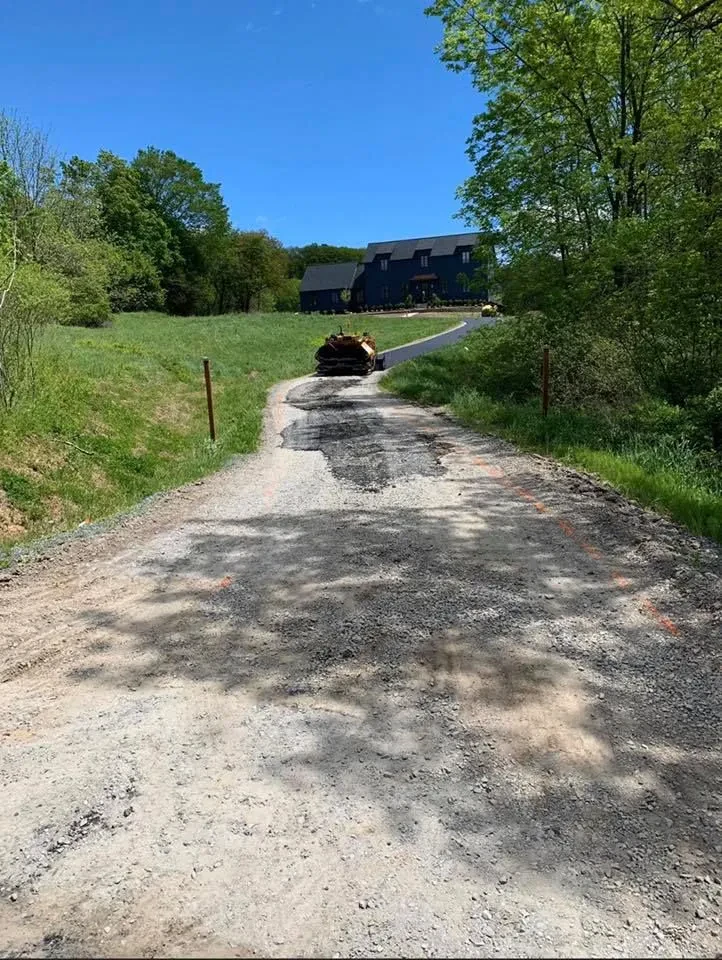
A properly installed asphalt driveway in Mosherville should last 20 to 25 years, sometimes longer with regular maintenance. The key word is “properly installed.” That means correct base preparation, adequate thickness for your use, and proper grading for drainage.
Upstate New York’s freeze-thaw cycles are brutal on asphalt. Water seeps into small cracks, freezes, expands, and makes those cracks bigger. If the base wasn’t compacted correctly or drainage wasn’t addressed, you’ll see problems in five years instead of twenty. Sealcoating every two to three years adds a protective layer that keeps water out and extends the surface life significantly.
The driveways that fail early almost always have the same issues: rushed installation, inadequate base prep, or poor drainage. We’ve been doing this for 25 years in this exact climate. The owner knows what holds up because he’s seen what doesn’t.
An overlay means putting new asphalt over your existing driveway. Full replacement means tearing out the old surface and base, then rebuilding from scratch. Overlays cost less but only work if your current base is still solid.
If your driveway has minor surface cracks and wear but no major structural issues—no big potholes, no sinking sections, no widespread crumbling—an overlay can add years of life for a fraction of replacement cost. You’re typically looking at two to three inches of new asphalt over the old surface.
Full replacement is necessary when the base has failed, when more than 30 percent of the surface needs repair, or when the existing asphalt is so deteriorated that an overlay won’t hold. The owner will tell you honestly which approach makes sense for your situation. There’s no point selling you an overlay that’ll fail in two years when replacement is the right call.
You can typically drive on new asphalt after 24 to 48 hours, but you need to be careful for the first week. The asphalt is technically “cured” enough to handle light vehicle traffic after a couple days, but it continues hardening for months.
During hot weather, wait longer—three to five days if possible. Heat softens asphalt, and parking a heavy vehicle on a fresh surface during a heat wave can leave permanent depressions or tire marks. Avoid sharp turns on new asphalt for at least a week. The turning action can scuff or gouge the surface before it’s fully hardened.
Heavy vehicles—delivery trucks, moving vans, dumpsters—should stay off new asphalt for at least a week, longer if temperatures are high. We’ll give you specific guidance based on weather conditions and your asphalt thickness. Following those recommendations protects your investment and prevents damage that’s frustrating because it was avoidable.
Water is the main culprit. It seeps into small surface cracks, freezes during winter, expands, and makes those cracks bigger. Over time, water reaches the base layer, weakens it, and you end up with potholes or sections that sink. Temperature fluctuations and heavy loads accelerate the process.
Prevention starts with proper installation—correct grading so water drains away from the asphalt, a well-compacted base that doesn’t settle, and adequate asphalt thickness for your traffic. After installation, sealcoating every two to three years creates a waterproof barrier that keeps moisture out. Filling small cracks as soon as they appear prevents them from spreading.
You’ll also want to keep your driveway clean. Leaves and debris trap moisture against the surface. Oil and gas spills break down the asphalt binder. A quick sweep and addressing spills promptly goes a long way. We can handle crack filling and sealcoating as part of ongoing maintenance, or explain what to watch for if you prefer doing it yourself.
We operate year-round, though the type of work shifts with the seasons. Asphalt paving happens during warmer months—typically late spring through fall—when temperatures support proper installation and curing. You can’t lay asphalt when it’s freezing outside. The material won’t compact correctly and you’ll have problems immediately.
During winter, our focus shifts to foundation work, excavation, and land clearing. That seasonal flexibility means you’re dealing with an established business that’s available when you need help, not a crew that disappears for six months. It also means emergency response capability. If you have urgent drainage issues or foundation concerns outside paving season, there’s someone to call.
For asphalt repairs and maintenance, spring and fall are ideal. Summer works too, though extreme heat can make fresh asphalt take longer to harden. The owner will recommend timing based on your specific project and current weather patterns. The goal is doing the work when conditions support quality results, not rushing a job because the calendar says so.
Start with how long they’ve been working in this area specifically. Upstate New York’s climate is different from downstate or other regions. A contractor with decades of local experience knows what holds up here. Ask if the owner is involved in projects or if you’re dealing with subcontractors and project managers you’ll never meet.
Get a detailed written estimate that breaks down the work—excavation depth, base material and thickness, asphalt type and thickness, grading and drainage plans. Vague estimates that just list a total price are a red flag. You want to know exactly what you’re paying for. Ask about their process for base preparation and drainage. Those are where shortcuts get taken and where problems show up later.
Check if they offer ongoing maintenance or just installation. A contractor willing to sealcoat and repair their own work years later is confident it’ll hold up. Ask about timing and availability. Our owner handles estimates personally, provides transparent pricing, and has 25 years of local reputation on the line with every job. That’s the standard you should expect from whoever you hire.
Other Services we provide in Mosherville