Asphalt paving company also offering concrete work, excavating, and snow removal services.
Contact Info
-
130 Co Rd 70
Stillwater, NY 12170 - Call: 518-935-3068
- Text: 518-935-3068
- Mon - Sun: 7am - 7pm
Contact Info
Hear From Our Clients
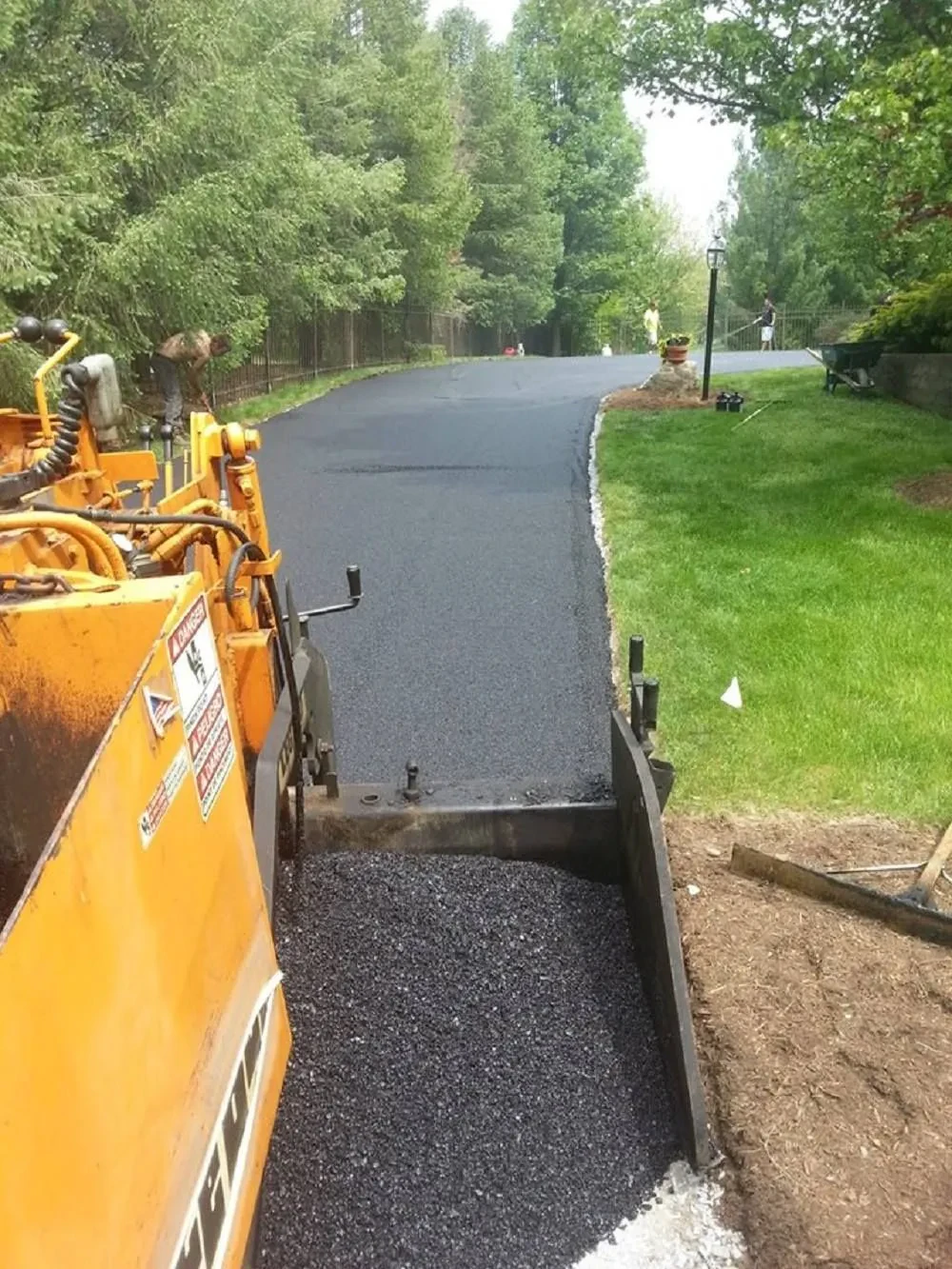
You need asphalt paving that holds up through freeze-thaw cycles, snowplows, and everything else Providence winters deliver. That starts with proper base preparation, not shortcuts.
Most asphalt failures happen because someone rushed the groundwork. When your base shifts or drains poorly, your surface cracks. Water gets in. Then you’re repaving in three years instead of fifteen.
We handle asphalt driveways, parking lots, and commercial surfaces the same way: do it right the first time. The owner supervises every job personally. You get clear communication, realistic timelines, and work built to last.
We’ve served Providence for over 25 years as an owner-operated asphalt contractor. When you call, you’re talking to the person who’ll actually manage your project—not a salesperson who disappears after you sign.
This is a small operation by choice. Lower overhead means competitive pricing without cutting corners. You get direct answers to questions and someone invested in the outcome standing behind the work.
When paving season ends, we shift to excavation and foundation work. That means year-round availability for clients who need reliable service beyond asphalt.
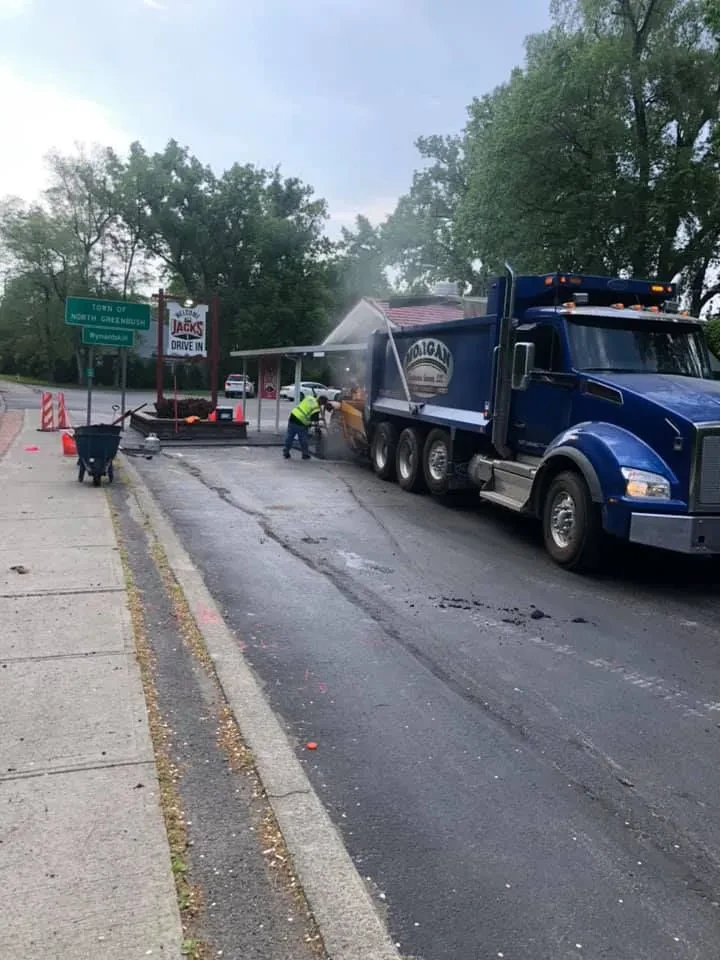
You get an on-site estimate first. The owner walks the property, checks drainage and existing conditions, then gives you an honest assessment. No pressure, no inflated numbers.
Scheduling depends on weather and workload. Asphalt needs warm temperatures to cure properly, so spring through fall is paving season. Excavation and foundation work happens year-round.
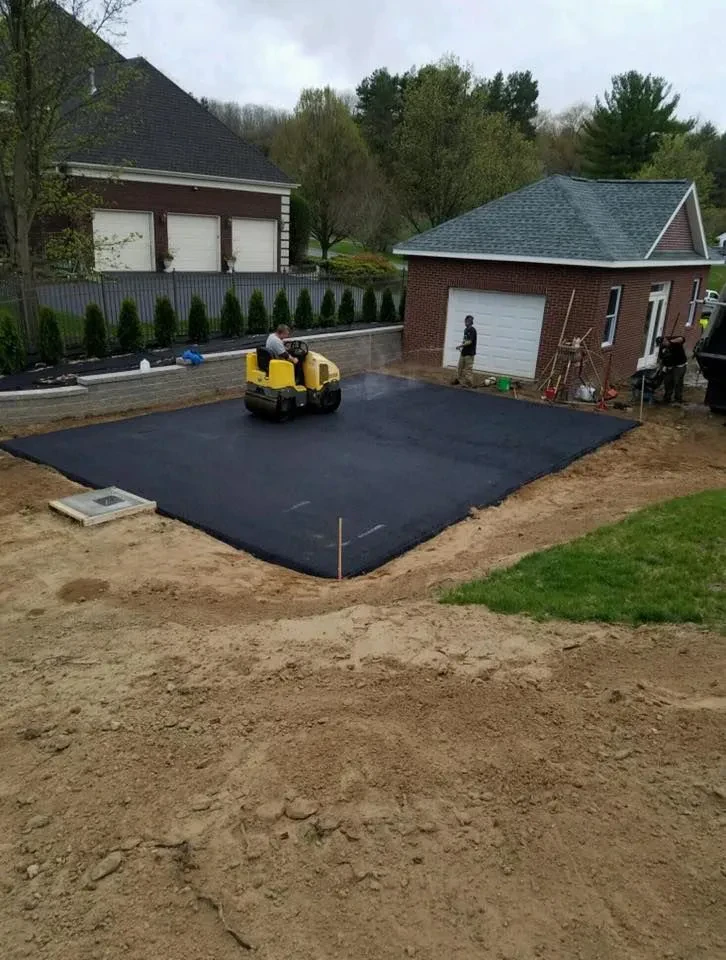
On job day, site prep comes first—excavation if needed, grading for drainage, and base compaction. This step matters more than most people realize. Then comes asphalt installation, rolled and compacted while hot. Stay off the surface for a couple days while it cures.
The owner checks the work before calling it complete. If something’s not right, it gets fixed.

Ready to get started?
We handle residential asphalt driveways, commercial parking lots, private roads, and related sitework. That includes excavation for new installations, grading for proper drainage, and base preparation that supports the asphalt correctly.
Providence driveways typically need 2-3 inches of asphalt over compacted gravel. Commercial parking lots usually require 3-4 inches depending on traffic. The owner recommends what makes sense for your situation based on soil conditions, drainage, and surface use.
Freeze-thaw cycles crack poorly-installed asphalt within a few years. Proper preparation costs more upfront but prevents premature failure. That means excavating to the right depth, using quality base material, ensuring proper compaction, and installing asphalt at correct temperature and thickness.
You also get straightforward communication. Weather delays, unexpected site conditions, or needed changes—you’ll know before additional work happens.
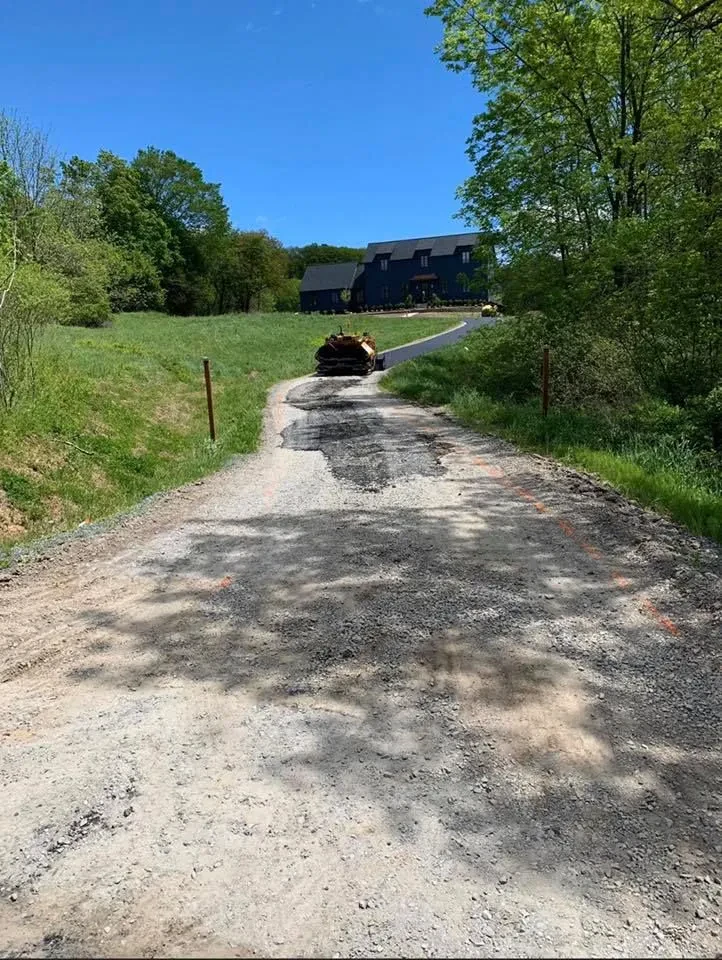
A properly installed asphalt driveway in Providence should last 15-20 years, sometimes longer with maintenance. The key word: properly installed.
Most failures happen because of base problems, not surface issues. If your base isn’t compacted correctly or doesn’t drain well, water gets underneath and causes shifting during freeze-thaw cycles. That creates cracks and potholes within a few years.
Maintenance extends life significantly. Sealcoating every 2-3 years protects against water and UV damage. Filling small cracks prevents spreading. But even perfect maintenance won’t save poor installation. That’s why prep work matters more than most people realize.
An overlay puts new asphalt over your existing driveway. Full replacement tears out the old surface and starts fresh. Which makes sense depends on what’s underneath.
If your driveway has minor surface cracking but solid base and drainage, an overlay can work. It’s cheaper with no demolition or base work. But significant cracking, potholes, or drainage issues mean an overlay just covers problems temporarily. Those same issues telegraph through the new surface within a year or two.
Full replacement costs more but solves underlying problems. You fix drainage, add thickness where needed, and ensure proper base compaction. For failing driveways, it’s usually the smarter long-term investment.
Residential driveways in Providence typically run $7-$13 per square foot for new installation. A standard two-car driveway might be $5,000-$10,000. Commercial parking lots vary based on size, thickness, and prep work.
Those numbers include demolition if needed, proper base preparation, and new asphalt installation. They don’t include extras like significant excavation for drainage, retaining walls, or dealing with ledge. Complications increase price—but you’ll know before work starts.
The cheapest estimate isn’t always the best value. Some contractors lowball to win bids, then cut corners on base prep or thickness. We provide straightforward pricing based on what’s actually needed. If something unexpected comes up, you get a call before additional work happens.
No, and be skeptical of anyone who says they can. Asphalt needs high installation temperatures and warm weather to cure properly. Below 50 degrees consistently, asphalt cools too quickly and doesn’t compact correctly.
In Providence, paving season runs late spring through fall. Exact timing depends on weather—sometimes April, sometimes May. The season usually ends in October or early November.
We don’t disappear in winter. Off-season is when excavation and foundation work happens. If you need site prep or land clearing, that’s done year-round. Planning ahead means you’re not competing with everyone else in June.
It depends on scope and local regulations. Simple driveway repaving often doesn’t need permits, but new installation or drainage work might. Commercial projects almost always do.
Providence has specific requirements about setbacks, drainage, and how driveways connect to public roads. Changing your driveway footprint or altering drainage patterns likely needs approval. Violating requirements creates expensive corrections later.
We know what triggers permit requirements and handle that process. The owner tells you upfront if permits are needed and factors timeline into scheduling. Some contractors skip this to save time—that’s a red flag.
You can typically drive on new asphalt after 2-3 days, but be careful for the first couple weeks. Asphalt continues curing and is more vulnerable during that time.
For the first 48-72 hours, stay off completely. The surface needs to cool and harden. After that, normal car traffic is fine, but avoid parking in the same spot repeatedly and don’t turn your steering wheel while stationary.
Heavy vehicles should stay off for at least a week. Delivery trucks, dumpsters, or concentrated weight can leave permanent impressions in fresh asphalt. Hot weather extends curing time. The owner gives specific guidance based on weather conditions and asphalt mix used.
Other Services we provide in Providence