Asphalt paving company also offering concrete work, excavating, and snow removal services.
Contact Info
-
130 Co Rd 70
Stillwater, NY 12170 - Call: 518-935-3068
- Text: 518-935-3068
- Mon - Sun: 7am - 7pm
Contact Info
Hear From Our Clients

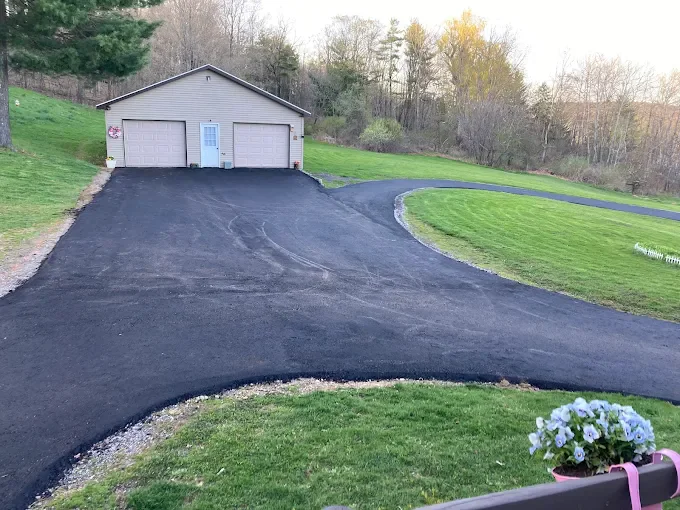
Your driveway stops being a problem. No more standing water that freezes into skating rinks every winter. No more cracks spreading like spiderwebs across the surface because someone skipped the base prep to save a few bucks.
When the installation is done right, you get a surface that handles the weight of your vehicles without sinking or rutting. Water drains where it’s supposed to. The edges don’t crumble when you plow snow.
You’re not calling for repairs every spring. You’re not wondering if you got ripped off. You’re just pulling in and out of your driveway without thinking about it—which is exactly how it should be.
We’ve been handling paving, asphalt, excavation, and foundation work across Hartman, NY and the surrounding region for over 25 years. Our owner is involved in every project from the first call to the final pass of the roller.
This isn’t a crew that shows up, lays down some asphalt, and disappears. You get straight answers about what your property needs, what it’ll cost, and how long it’ll take. No runaround. No surprise fees.
Hartman’s winters are brutal—freeze-thaw cycles, heavy snow, ice that doesn’t quit. We know how to build driveways that hold up under those conditions because we’ve been doing it here for decades, not just reading about it online.

First, we assess the existing surface. If there’s old asphalt or concrete that’s failing, it comes out completely. Half-measures don’t work—trying to pave over a bad base just means you’ll be dealing with the same problems in a year.
The base gets prepared next. This is where most contractors cut corners, and it’s where most driveways fail. We grade and compact the subgrade properly, with attention to drainage so water doesn’t pool underneath and cause frost heave when temperatures drop.
Then comes the asphalt installation. We use high-grade material, not recycled junk that’ll break down in three winters. The thickness matters—at least 2.5 to 3 inches compacted, sometimes more depending on your soil conditions and how the driveway will be used. Our crew works efficiently while the asphalt is still hot enough to compact properly.
Final compaction happens with the right equipment, creating a smooth, dense surface that won’t ravel or develop low spots. Edges are finished clean. Drainage is confirmed. You get a driveway that’s ready to handle whatever Hartman’s weather throws at it.
Ready to get started?
You’re getting a complete driveway installation, not just asphalt dumped on top of whatever’s there now. That means proper excavation and removal of failed materials, grading and compaction of the base, installation of drainage solutions where needed, and application of the asphalt layer at the right thickness for your specific situation.
In Hartman, NY, drainage is critical. Water that can’t escape from under your driveway will freeze, expand, and destroy the surface from below. Proper slope and drainage design prevent this—it’s not optional if you want your driveway to last more than a few seasons.
Material quality makes a difference you’ll see years down the road. High-grade asphalt costs more upfront but resists cracking in cold weather and holds up to the constant expansion and contraction that happens here. The cheaper recycled mixes break down faster, especially under the kind of winter conditions Hartman gets every year.
You also get honest communication throughout the project. Our owner walks the site, explains what needs to happen and why, and gives you a clear timeline. If weather delays the work, you’ll know. If something unexpected comes up during excavation, you’ll hear about it before any extra work gets done.
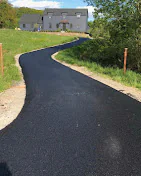
A properly installed asphalt driveway in Hartman, NY should last 15 to 30 years with appropriate maintenance. The key word there is “properly installed”—which means adequate base preparation, proper drainage, and high-grade asphalt materials.
Hartman’s freeze-thaw cycles are tough on pavement. When water gets under the surface and freezes, it expands and pushes the asphalt up. When it thaws, the asphalt settles back down, but not always evenly. Over time, this creates cracks, buckling, and potholes. A driveway with a solid compacted base and good drainage prevents water from getting underneath in the first place, which is why proper installation matters so much.
You’ll need to sealcoat every 3 to 5 years to protect the surface from UV damage, water penetration, and general wear. That’s not a sign of poor installation—it’s standard maintenance for asphalt in any climate. Small cracks should be filled as soon as you notice them to prevent water intrusion. Take care of your driveway, and it’ll take care of you for decades.
Late spring through mid-November is the realistic window for asphalt paving in Hartman, NY. Asphalt needs to be installed when ground temperatures are consistently above 50 degrees Fahrenheit, and ideally when air temperatures are above 50 and rising.
Once you get into late November and December, temperatures drop too low for proper asphalt curing. The material cools too quickly, making it difficult to achieve proper compaction. If the asphalt doesn’t compact correctly, you’ll end up with a weaker surface that’s more prone to cracking and raveling.
If you’re planning a driveway project, don’t wait until October to start making calls. We get booked up during the prime season, and weather delays can push projects back. Getting on the schedule in late summer or early fall gives you the best chance of having the work completed before winter shuts everything down. If you miss the window, you’ll be waiting until spring—and dealing with whatever condition your current driveway is in through another winter.
For a standard two-car driveway in Hartman, NY, you’re typically looking at $7 to $15 per square foot for asphalt installation, which translates to roughly $4,500 to $14,000 for a 640-square-foot driveway. That range depends on the condition of your existing surface, how much excavation and base work is needed, and the specific site conditions on your property.
If your current driveway has to be completely removed and the base rebuilt, you’ll be toward the higher end of that range. If the base is in good shape and you’re just adding a new asphalt layer, costs will be lower. Properties with drainage issues, steep slopes, or difficult access for equipment will also cost more because they require more labor and expertise to handle correctly.
Be cautious of quotes that come in significantly below this range. Contractors offering prices that seem too good to be true are usually cutting corners somewhere—thinner asphalt, poor base prep, low-grade materials, or inadequate crew size. Those shortcuts might save you money now, but you’ll pay for it in repairs within a few years. A properly installed driveway is an investment that should last decades, so focus on value and quality, not just the lowest number.
Premature cracking almost always comes down to improper base preparation or poor drainage. When contractors skip steps to save time or money, the driveway might look fine initially, but it won’t hold up once Hartman’s winter weather hits.
Here’s what happens: water gets into the base layer underneath the asphalt, either through cracks in the surface or from poor drainage around the edges. When temperatures drop below freezing, that water turns to ice and expands. This pushes the asphalt up, creating what’s called frost heave. When it warms up and the ice melts, the asphalt settles back down, but the base underneath is now disturbed and uneven. The next freeze-thaw cycle makes it worse. Eventually, you get cracks, buckling, and areas where the surface breaks apart completely.
Proper installation prevents this by ensuring the base is properly compacted and graded for drainage. Water needs somewhere to go—away from the driveway, not underneath it. High-quality asphalt materials also make a difference because they’re more flexible during temperature swings and less likely to crack from normal expansion and contraction. If your driveway is failing after just one or two winters, the installation was done wrong. It’s that simple.
For Hartman’s climate, asphalt is generally the better choice. Concrete performs well in hot climates, but it struggles with the freeze-thaw cycles you get here. Concrete is rigid and brittle when temperatures drop, making it more prone to cracking when water gets in and freezes.
Asphalt is flexible. It expands and contracts with temperature changes without breaking apart the way concrete does. That flexibility is crucial when you’re dealing with winters that swing from below zero to above freezing and back again, sometimes in the same week. Asphalt’s dark color also helps—it absorbs heat from the sun, which means snow and ice melt faster on asphalt than on concrete.
Concrete does have a longer lifespan in ideal conditions and requires less frequent maintenance. But “ideal conditions” don’t include Hartman winters. The salt and de-icing chemicals used here can also stain and damage concrete surfaces over time, whereas asphalt handles those chemicals without deteriorating. When you factor in upfront cost, performance in cold weather, and long-term maintenance, asphalt makes more sense for most driveways in this area. Unless you have specific aesthetic reasons for wanting concrete, asphalt will serve you better.
There are several red flags to watch for. If a contractor shows up at your door claiming they have leftover asphalt from another job and can pave your driveway cheap if you pay cash today, that’s a scam. Walk away immediately.
During the quote process, ask specific questions about base preparation, asphalt thickness, and material grade. A legitimate contractor will explain exactly what they’re doing and why. If you get vague answers or pushback when you ask about these details, that’s a warning sign. Also ask to see proof of insurance and licensing—contractors who aren’t properly insured are cutting a major corner that puts you at financial risk if someone gets injured on your property.
Watch out for quotes that are significantly lower than others you’ve received. Paving isn’t cheap when it’s done right, and contractors offering prices well below market rate are skipping steps somewhere. Maybe they’re using thinner asphalt, maybe they’re not properly compacting the base, maybe they’re using low-grade recycled materials. You won’t know until the driveway starts failing a year or two later. Ask for references from recent projects in your area and actually follow up with those customers. A contractor with nothing to hide will gladly provide references and might even let you see their recent work in person.
Other Services we provide in Hartman