Asphalt paving company also offering concrete work, excavating, and snow removal services.
Contact Info
-
130 Co Rd 70
Stillwater, NY 12170 - Call: 518-935-3068
- Text: 518-935-3068
- Mon - Sun: 7am - 7pm
Contact Info
That cracked, uneven walkway isn't just an eyesore—it's sending a message to everyone who visits. Here's what it's really saying.
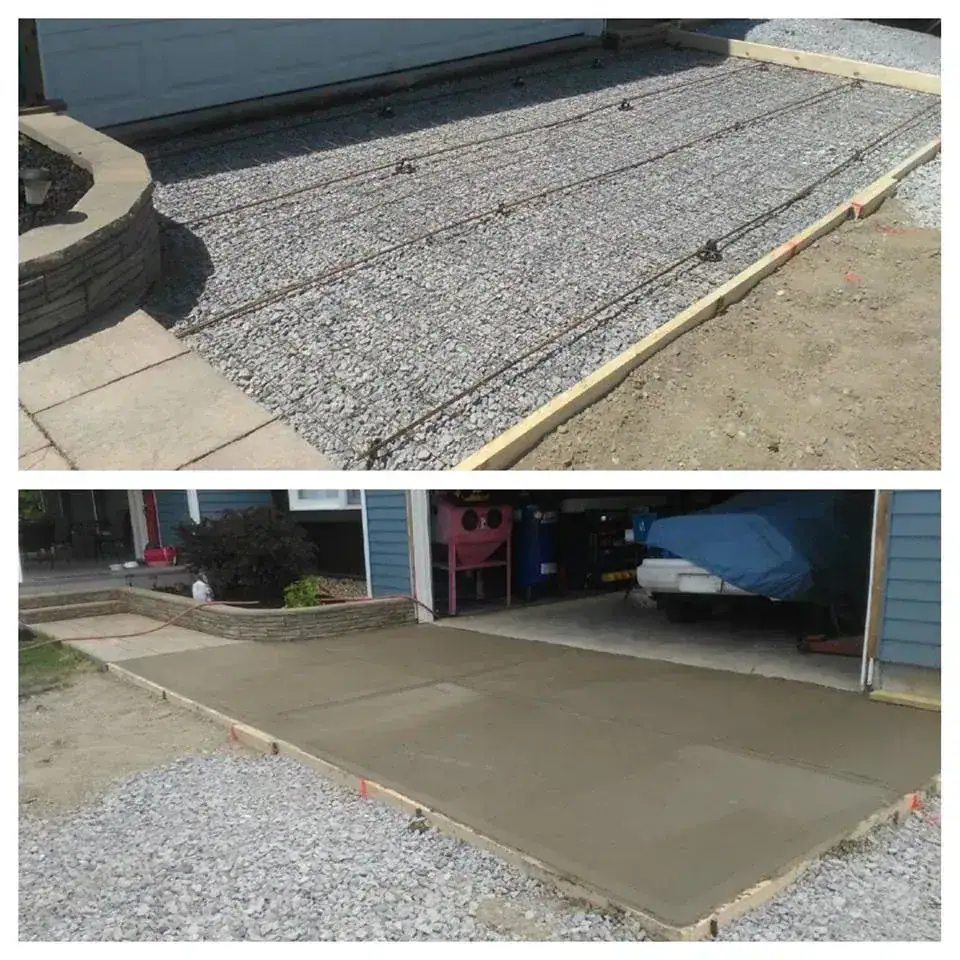
A walkway does more than connect your driveway to your front door. It sets the tone for your entire property. When someone pulls up to your home or business, they’re forming an opinion before they ever step inside.
Cracks, uneven surfaces, and visible patches tell visitors that maintenance has been deferred. Pooling water signals drainage problems that could be affecting your foundation. Weeds pushing through joints suggest the base wasn’t prepared correctly from the start. These aren’t just cosmetic issues—they’re red flags that indicate bigger problems underneath.
On the flip side, a smooth, well-maintained walkway communicates care and attention to detail. It shows that you invest in your property and take pride in how it looks. In Saratoga County, NY and Warren County, NY, where harsh winters and freeze-thaw cycles put constant stress on paved surfaces, a walkway that holds up year after year says even more.
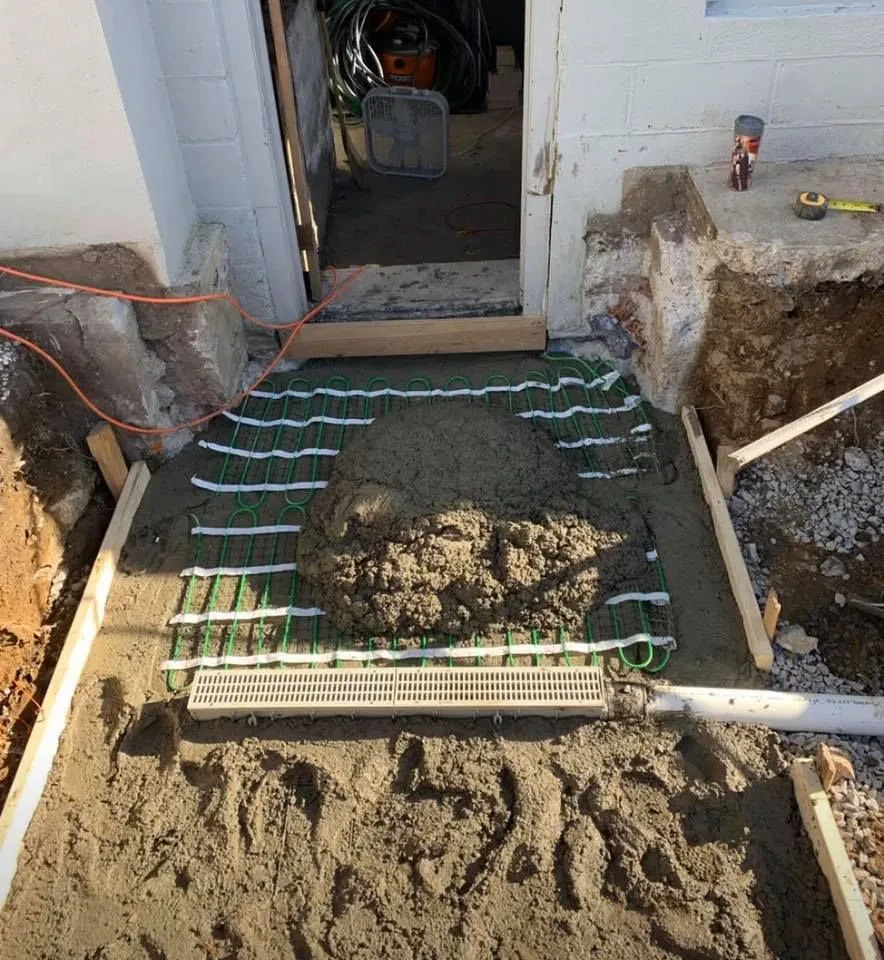
Not every crack requires a full replacement. Hairline cracks are normal as materials expand and contract with temperature changes. But when those cracks widen to a quarter-inch or more, or when sections start settling unevenly, you’re looking at a structural issue that won’t fix itself.
Settling happens when the base wasn’t properly compacted during installation. In upstate New York, where the ground freezes and thaws repeatedly throughout winter and spring, a weak base will shift over time. You’ll see it first as minor unevenness—maybe a slight lip where two sections meet. Within a year or two, that becomes a tripping hazard. Within five years, you’re dealing with significant damage that requires a complete tear-out and reinstall.
Water pooling on your walkway is another clear signal. Proper grading should move water away from your home’s foundation and toward the street or a drainage system. When water sits in low spots, it seeps into cracks, freezes, expands, and makes those cracks worse. It’s a cycle that accelerates every winter.
The timing matters too. If you’re seeing these issues within the first two years after installation, the contractor likely cut corners on base preparation or didn’t account for local soil conditions. If your walkway is 15 to 20 years old and showing wear, that’s normal aging. Either way, addressing it now prevents more expensive problems later—like foundation damage from poor drainage or liability from someone tripping on an uneven surface.
Material choice plays a role in how long your walkway lasts. Concrete walkways in Saratoga County, NY typically last 30 to 50 years when installed correctly, but they’re more prone to visible cracking in freeze-thaw climates. Asphalt is more flexible and handles temperature swings better, though it requires sealcoating every few years. Pavers offer easy repair since you can replace individual stones without disturbing the entire walkway, but they need proper edge restraints to prevent shifting.
The material you choose for your walkway depends on your priorities—budget, maintenance tolerance, appearance, and how long you plan to stay in your home.
Asphalt walkways cost less upfront, typically between $2 and $5 per square foot installed. They handle freeze-thaw cycles well because the material is flexible enough to move with the ground without cracking. In Warren County, NY, where winters are harsh, that flexibility is an advantage. Asphalt also melts snow faster than concrete because its dark color absorbs heat. The tradeoff is maintenance—you’ll need to sealcoat every two to three years to protect against water infiltration and UV damage. Repairs are straightforward and blend in better than concrete patches.
Concrete walkways cost more initially, usually $4 to $10 per square foot depending on finish options. They last longer than asphalt—up to 50 years with proper care—and require less frequent maintenance. You can customize concrete with stamped patterns, stains, or colored finishes to match your home’s aesthetic. The downside is that concrete is rigid, so it cracks more easily when the ground shifts. Those cracks are also more visible and harder to repair without obvious patches. In areas with heavy freeze-thaw cycles, you’ll need to be diligent about sealing and addressing cracks early.
Paver walkways fall in the middle, costing $9 to $20 per square foot installed depending on the material. Brick, concrete, and natural stone pavers each have different looks and price points. The big advantage is repairability—if one paver cracks or settles, you replace just that piece. Pavers also handle ground movement better than solid concrete because the joints between stones allow for flex. Installation requires careful base preparation and edge restraints to prevent the pavers from shifting outward over time. In Saratoga County, NY, frost-resistant pavers are essential to avoid cracking during winter.
Your choice should also factor in how the walkway connects to the rest of your property. If your driveway is asphalt, extending that material to your walkway creates a cohesive look and simplifies maintenance. If you have decorative elements like stone veneer or brick accents on your home, pavers might tie everything together visually.
Budget matters, but so does lifespan. A cheaper asphalt walkway that needs replacement in 20 years might cost more over time than a concrete walkway that lasts 40 years. Run the numbers based on your expected timeline. If you’re planning to sell within five years, asphalt’s lower upfront cost makes sense. If you’re staying long-term, concrete or pavers might be the smarter investment.
Want live answers?
Connect with a Morgan Construction expert for fast, friendly support.
Choosing the right paving contractor makes the difference between a walkway that lasts decades and one that starts failing within two years. The lowest bid isn’t always the best value, and the most expensive isn’t always the highest quality.
Start with licensing and insurance. Any paving contractor working on your property should be fully licensed and carry both liability insurance and workers’ compensation. If they’re not insured and someone gets hurt on your property during the job, your homeowner’s insurance could be on the hook—and your premiums could double or triple for years. Ask to see proof of insurance before signing anything.
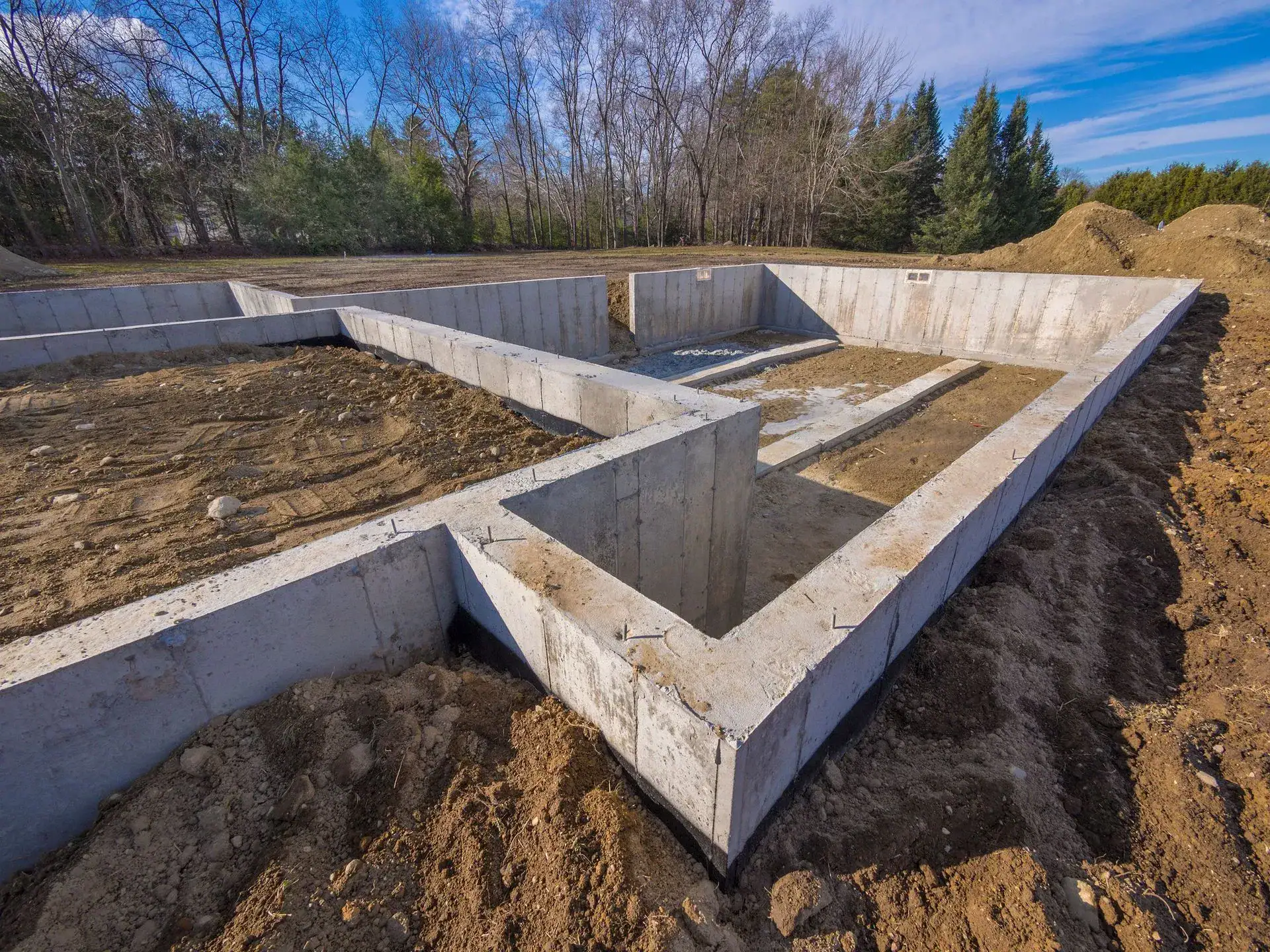
Next, ask about their base preparation process. This is where most walkway failures happen. A proper base requires at least four inches of compacted gravel, proper grading for drainage, and attention to soil conditions. Contractors who skip this step or use insufficient base material will give you a cheaper quote, but you’ll pay for it later when the walkway starts settling and cracking.
Ask how long they’ve been in business and request references from jobs completed at least two years ago. A contractor who’s been operating for 10, 20, or 25 years has a track record you can verify. Recent references are nice, but older projects show how their work holds up over time. Drive by a few completed jobs if possible. Look for cracking, settling, and drainage issues.
Get a detailed written estimate that breaks down labor, materials, base preparation, and any additional costs. Vague estimates lead to surprise charges later. The estimate should specify the thickness of the asphalt or concrete, the depth of the base material, and the grading plan for drainage. If a contractor can’t or won’t provide this level of detail, that’s a red flag.
Ask about their crew size and equipment. Asphalt needs to be laid at around 300 degrees and worked quickly before it cools. A contractor with a small crew and old equipment can’t keep pace, which leads to seams, uneven surfaces, and weak spots. A typical professional crew for residential paving is six to eight people with well-maintained equipment.
Find out what warranty they offer. Reputable paving contractors in Saratoga County, NY typically provide a one-year warranty on labor and materials. Some extend that for longer periods depending on the project scope. A contractor who won’t stand behind their work for at least a year should make you nervous.
Ask about their communication process. Who will be your point of contact during the project? How often will you receive updates? What happens if you have questions or concerns mid-project? Clear communication prevents misunderstandings and keeps the job on track. You want a contractor who’s responsive and straightforward, not someone who goes silent once they have your deposit.
Discuss the timeline upfront. How long will the project take from start to finish? What could cause delays? Weather is a factor in paving work—rain, extreme cold, or temperatures below 50 degrees can affect asphalt installation. A contractor who’s honest about potential delays is better than one who promises an unrealistic timeline and then misses it.
Some warning signs are obvious. If a contractor knocks on your door claiming they have leftover asphalt from a job down the street and can pave your walkway for cash at a steep discount, shut the door. This is a well-known scam. The asphalt will be cold and won’t compact properly, the base won’t be prepared, and the “contractor” will be long gone when problems appear.
Avoid contractors who can’t provide proof of insurance or who offer to lower the price if you don’t require it. You’re not saving money—you’re taking on massive liability. The same goes for contractors who insist on cash-only payments or who pressure you to sign a contract immediately without giving you time to review it or get other estimates.
Be wary of contractors who give you a quote without visiting your property. Proper estimates require measuring the area, assessing soil conditions, checking drainage, and understanding how the walkway connects to existing structures. A contractor who quotes over the phone or based on a photo isn’t doing their homework.
Watch out for prices that seem too good to be true. If one estimate is significantly lower than the others, ask why. It usually means they’re cutting corners—thinner asphalt, inadequate base preparation, low-grade materials, or an inexperienced crew. You’ll pay more later to fix the problems.
Red flags also include poor communication from the start. If a contractor is hard to reach during the estimate phase, that won’t improve once they have your money. If they can’t answer basic questions about materials, process, or timeline, they don’t have the experience you need. If they badmouth competitors or make grandiose promises without backing them up, that’s a sign of desperation or dishonesty.
Trust your gut. If something feels off about a contractor—regardless of if it’s their attitude, their answers, or the way they do business—move on. There are plenty of reputable paving contractors in Warren County, NY and Saratoga County, NY who will treat you fairly and deliver quality work. You don’t have to settle for someone who makes you uncomfortable.
Your walkway doesn’t have to be a source of frustration or embarrassment. When it’s done right—with proper base preparation, quality materials, and attention to drainage—it should last 20 to 50 years depending on the material you choose. It should handle freeze-thaw cycles, heavy foot traffic, and everything else upstate New York weather throws at it.
The key is working with a contractor who’s been doing this long enough to know what works in this climate and who’s willing to explain the process in plain terms. No gimmicks, no pressure, no surprises. Just straightforward communication, honest pricing, and work that holds up.
If your walkway is sending the wrong message to your guests, or if you’re tired of dealing with cracks, settling, and drainage problems, it’s time to get it fixed. Reach out to us for a consultation. With over 25 years of experience serving Saratoga County, NY and Warren County, NY, we’ll walk you through your options and give you a realistic plan that fits your property and your budget.
Summary:
Article details:
Share: