Asphalt paving company also offering concrete work, excavating, and snow removal services.
Contact Info
-
130 Co Rd 70
Stillwater, NY 12170 - Call: 518-935-3068
- Text: 518-935-3068
- Mon - Sun: 7am - 7pm
Contact Info
Winter freeze-thaw cycles destroy asphalt and create potholes that eat tires for breakfast. Discover practical prevention strategies to protect your driveway in Saratoga County, NY.
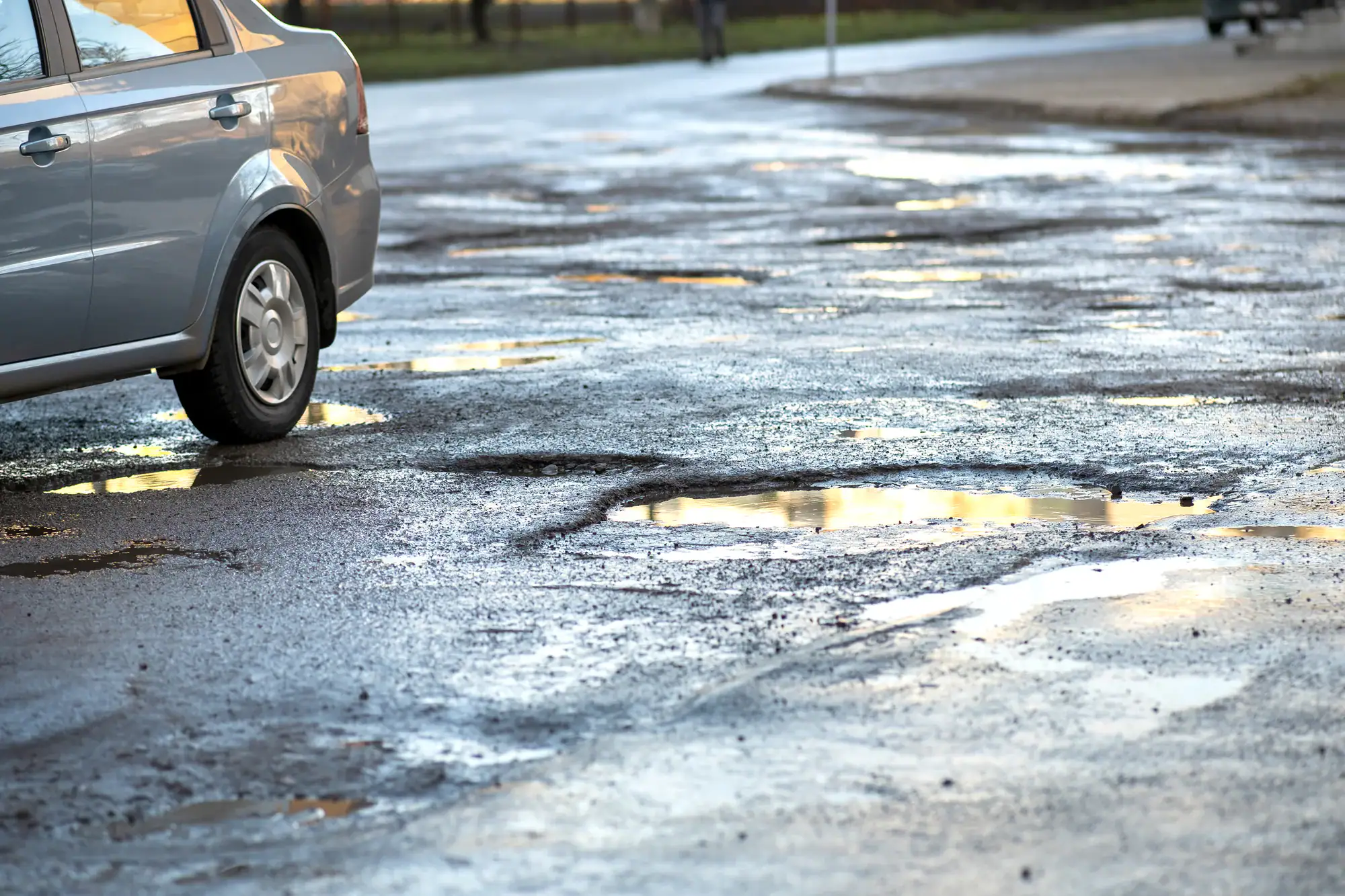
Potholes don’t just appear overnight like bad mushrooms. They’re the result of a specific toxic relationship between two things: water and traffic. Remove either one, and potholes won’t form. Since you probably need to actually use your driveway, traffic is a given. That leaves water as the variable you can actually boss around.
Small cracks develop from normal wear and tear. Rain or melting snow seeps into those cracks and hangs out beneath the surface. In warmer months, this is just a minor nuisance. But in New York winters, that water becomes a destructive force with a serious ego.
When temperatures drop, that trapped water freezes and expands. We’re talking about massive pressure here—water increases in volume by roughly 9% when it freezes. That’s enough force to fracture solid rock, so your asphalt doesn’t stand a chance. As it thaws, it leaves a hollow void where solid ground used to be. When your SUV rolls over that empty space? Crunch. That’s your pothole.
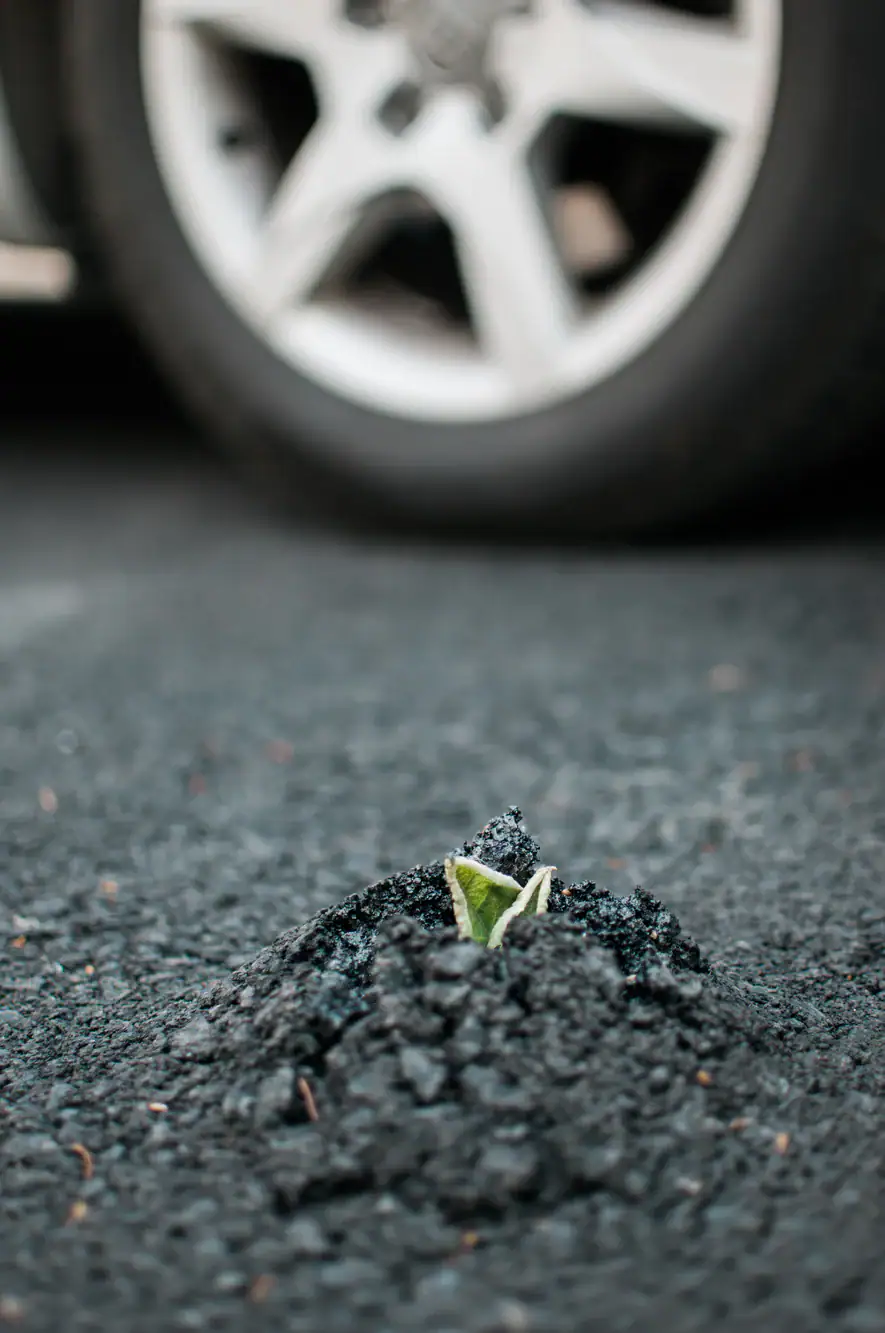
Saratoga and Warren County sit in the “Goldilocks Zone” for pavement destruction. It’s not just the cold; it’s the constant mood swings. One day it’s 40 degrees and the snow is melting; that night it drops to 15 and everything snaps shut. This cycle repeats dozens of times per season, essentially putting your driveway through a giant industrial blender.
Research shows that 75% of untreated cracks become potholes. In regions like ours, that progression happens faster than a New Yorker’s patience in a traffic jam. Local legends say some potholes on Route 9N over Tongue Mountain are deep enough to have their own ecosystems.
The Financial Faceplant: Northeast drivers face repair rates 24% higher than the national average. In NY specifically, poor road conditions cost drivers billions annually. The average “unlucky” hit runs about $600. If you hit two in one season, congratulations—you just bought your mechanic a very nice espresso machine.
Many property owners see a few hairline cracks and think, “I’ll deal with it when I can actually see through the pavement.” This is the paving equivalent of ignoring a toothache until you need a root canal.
Small cracks are a warning light. Once water hits the base layer, your driveway loses its load-bearing capacity. It becomes “mushy.” Then winter arrives, and the freeze-thaw cycle performs a heavy-metal concert on your sub-base.
Want live answers?
Connect with a Morgan Construction expert for fast, friendly support.
Prevention is all about keeping the water out. If your asphalt is waterproof, the freeze-thaw cycle has nothing to work with. 1. Sealcoating: Think of this as industrial-strength sunscreen and a raincoat combined. It creates a barrier that stops water from seeping into the pores of the asphalt. It should be done every 3–5 years. If your driveway looks gray and “thirsty,” it’s time. 2. Crack Filling: This needs to happen the second you see a crack. We use a rubberized sealant that moves with the pavement. It’s like a surgical stitch for your driveway.
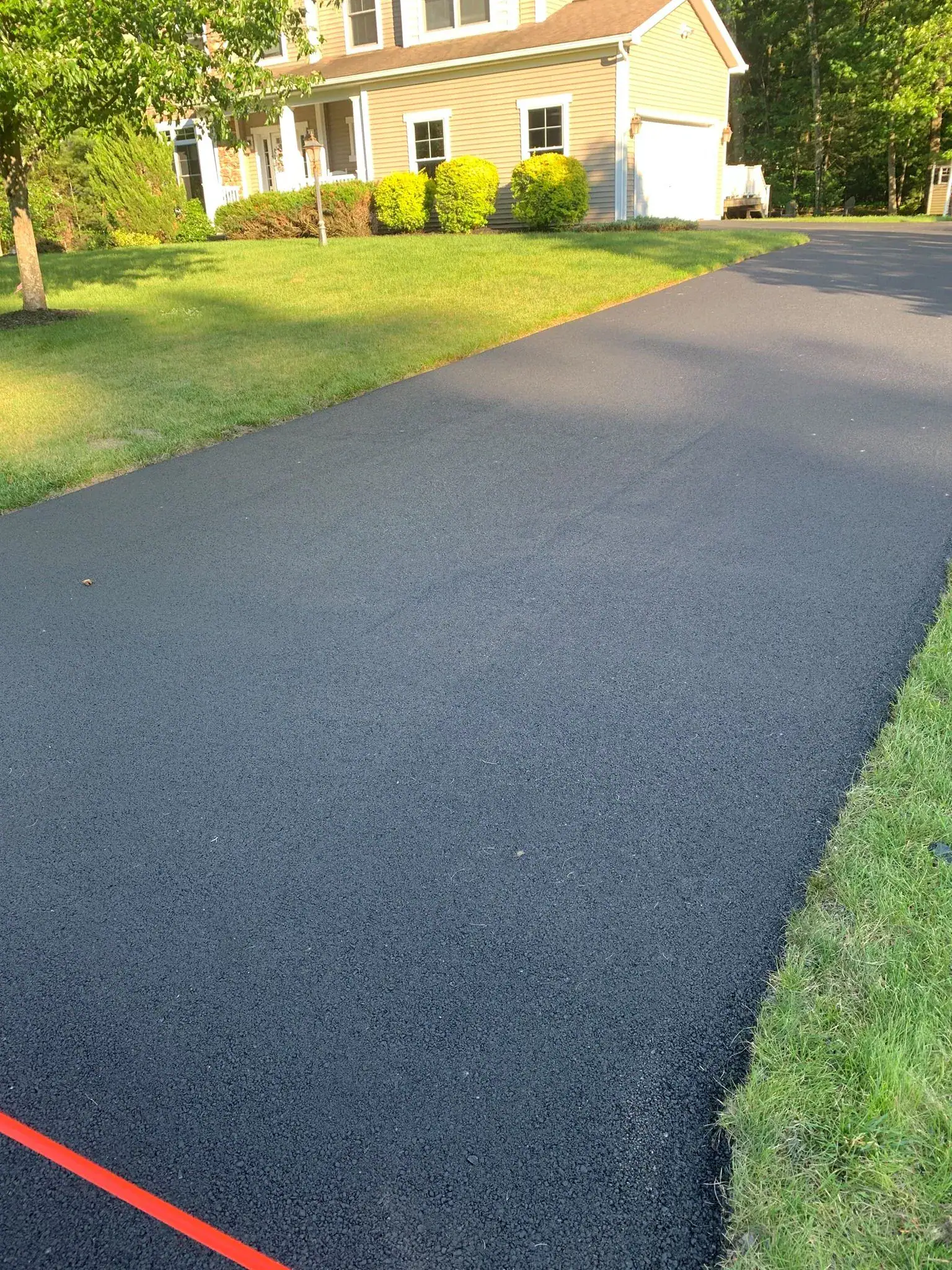
Even the best sealcoat won’t save you if your driveway is shaped like a bowl. Proper drainage is non-negotiable in Saratoga Springs and Glens Falls.
Standing water is the enemy. It finds every flaw and works its way underneath. If you see puddles forming after a light rain, you have a grading problem. We assess the slope to make sure water flows away from your foundation and off the surface.
Subsurface Secrets: Sometimes the problem is underground. French drains or catch basins might be needed to redirect water. If you ignore drainage, you’re basically just building a very expensive ice rink every December.
If you already have a pothole, please don’t just dump a bag of “cold patch” from the hardware store into it and step on it. That’s a “Saturday afternoon fix” that will last until Sunday morning.
Potholes aren’t an act of God—they’re just physics having a bad day. In Saratoga and Warren County, you can win the war against the freeze-thaw cycle by being the person who maintains their property before things get ugly.
The property owners who save the most money are the ones who sealcoat on schedule and fill cracks while they’re still small. It’s not a glamorous job, but it’s much better than explaining to your spouse why the minivan needs a new axle.
We’ve been protecting asphalt investments in this region for over 25 years. We know the soil, we know the weather, and we know exactly how to keep your driveway from becoming a geological hazard.
Summary:
Article details:
Share: