Asphalt paving company also offering concrete work, excavating, and snow removal services.
Contact Info
-
130 Co Rd 70
Stillwater, NY 12170 - Call: 518-935-3068
- Text: 518-935-3068
- Mon - Sun: 7am - 7pm
Contact Info
Not all parking lot paving delivers the same value. Learn the strategy for balancing upfront costs with long-term performance, and what separates quality work from costly shortcuts.
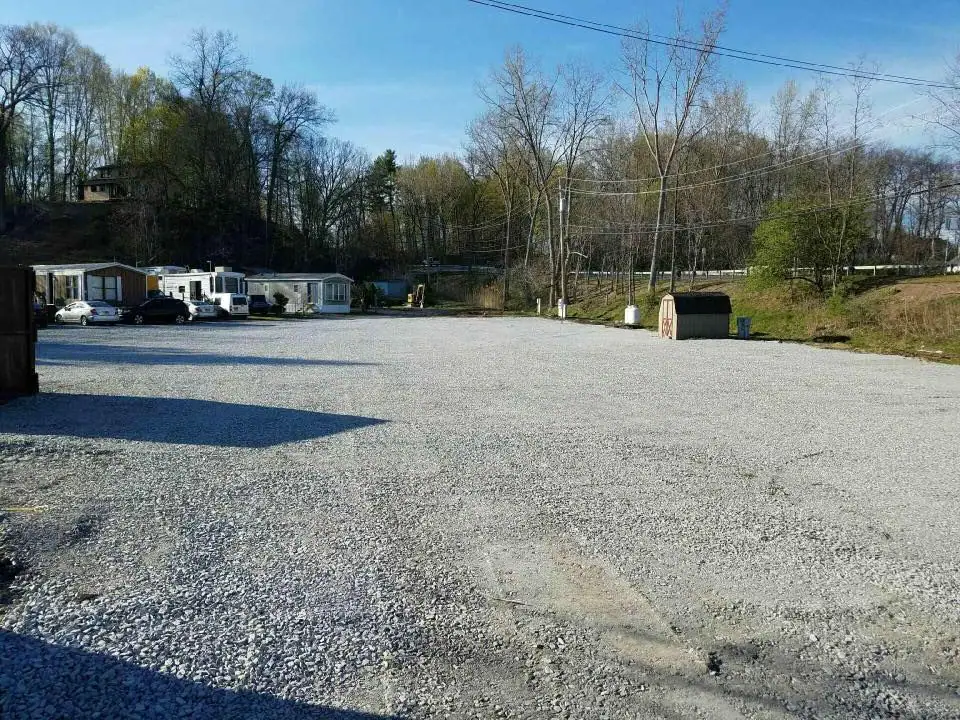
Quality in parking lot construction isn’t about the shiniest finish or the darkest asphalt. It’s about what you can’t see.
The base preparation, drainage planning, and material selection determine whether your lot lasts fifteen years or needs major repairs in three. A smooth surface looks great on day one regardless of what’s underneath. The difference shows up later—when water starts pooling, cracks spread, or sections start sinking.
Experienced paving contractors know that proper site preparation takes time. The ground needs to be excavated to the right depth, graded for water runoff, and compacted to specific tolerances. Then a stable aggregate base goes in before any asphalt gets laid. Skip or rush these steps, and you’re building on a foundation that will shift, settle, and fail.
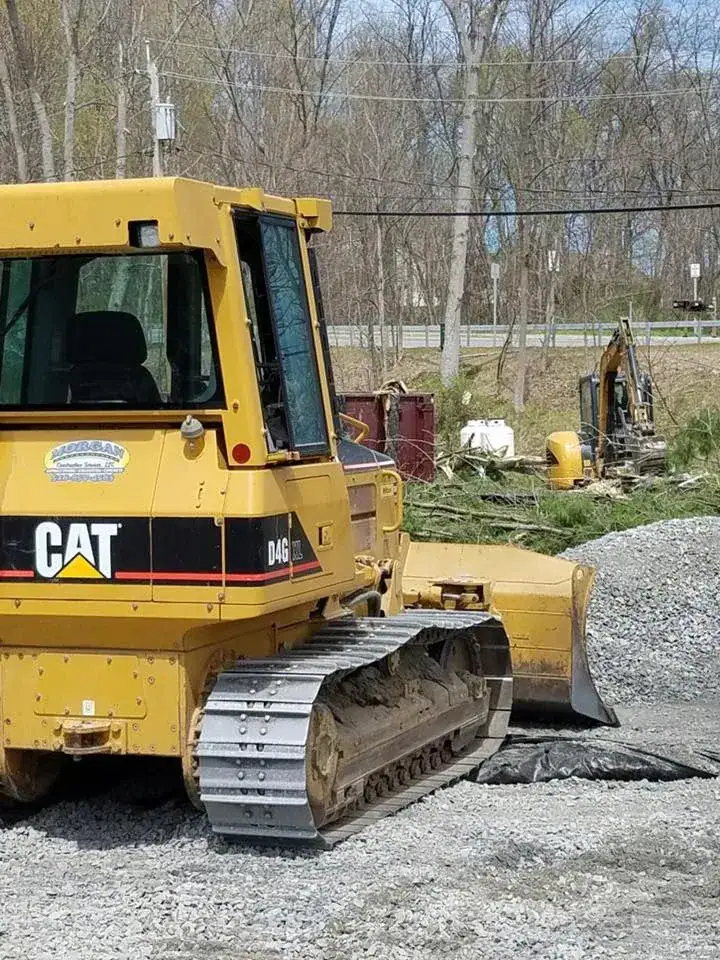
Think of base preparation like the foundation of a house. You wouldn’t pour concrete directly on grass and expect it to hold up. Same principle applies to parking lots.
Proper base work starts with excavation. The existing surface and unsuitable soil get removed to a depth that depends on your soil conditions and expected traffic load. In areas with clay-heavy soil or poor drainage, you might need 8-12 inches of aggregate base. Sandy or rocky soil might need less. A qualified contractor evaluates your specific site instead of applying a one-size-fits-all approach.
After excavation comes grading. Your lot needs a minimum 2% slope so water flows toward drainage points instead of pooling on the surface. Standing water is asphalt’s worst enemy. It seeps into cracks, freezes in winter, and accelerates deterioration. Proper grading also prevents water from flowing toward buildings or collecting in low spots where it creates ice hazards.
Then comes compaction. The aggregate base gets installed in lifts and compacted to precise specifications. This creates a stable platform that won’t shift under traffic loads. Contractors who rush this step or skip proper compaction equipment end up with bases that settle unevenly, causing the asphalt above to crack and fail.
Here’s where costs start to vary between estimates. Thorough base preparation takes more time and materials than minimal prep work. A contractor offering a significantly lower price might be planning to excavate less, use thinner base material, or skip proper compaction. You won’t know until cracks start appearing.
The investment in proper base work pays off in pavement that handles freeze-thaw cycles, heavy traffic, and decades of use without major structural failures. Skimping here to save a few thousand dollars often leads to replacement costs ten times higher down the road.
Not all asphalt is created equal. The mix design, aggregate quality, and application method all impact how your parking lot performs over time.
Asphalt mixes vary based on the ratio of bitumen binder to aggregates, the size of aggregate particles, and additives that improve specific properties. A high-quality commercial-grade mix costs more than a basic residential blend, but it handles heavier loads and resists rutting better. Climate also plays a role. Mixes formulated for cold climates like upstate New York include different binders than mixes designed for hot southern states.
Thickness matters too. A parking lot that sees constant semi-truck traffic needs 6-8 inches of compacted asphalt over a solid base. A light-duty lot serving passenger vehicles might only need 3-4 inches. Contractors who spec insufficient thickness to lower their bid are setting you up for premature failure under normal use.
Application temperature and technique also affect quality. Asphalt needs to be laid at 250-350°F and compacted while still hot for proper bonding. Contractors who let material cool too much or don’t compact thoroughly create a surface that’s more prone to cracking and water infiltration. You can’t tell the difference by looking at the finished product, but it shows up in performance over the years.
Then there’s the question of where the asphalt comes from. Contractors who manufacture their own mixes can control quality and customize blends for your specific project. Those who source from multiple suppliers or use whatever’s cheapest that day introduce more variability. Distance from the asphalt plant matters too—material that has to travel far may cool too much before installation.
Material costs fluctuate with oil prices and regional demand, but quality shouldn’t fluctuate with them. A contractor committed to proper materials will explain why they’re specifying a particular mix and thickness for your project, not just defaulting to whatever keeps their price lowest.
Want live answers?
Connect with a Morgan Construction expert for fast, friendly support.
When you’re comparing estimates, understanding what drives costs helps you evaluate whether you’re getting value or just paying more.
Material costs for asphalt typically run $2.50-$7 per square foot depending on thickness and mix quality. Labor adds another $1.50-$2 per square foot for experienced crews with proper equipment. Site preparation can range from minimal grading to extensive excavation and base work costing tens of thousands depending on current conditions.
But here’s what most property owners don’t realize: the biggest cost differences between estimates usually come from assumptions about what’s included, not from actual pricing differences. One contractor might include full-depth excavation, new drainage structures, and premium asphalt in their number. Another might be pricing minimal prep work and planning to charge extra for “unforeseen conditions” once they start digging.
You’ll see price variations for legitimate reasons and for red flags you need to recognize.
Legitimate cost differences come from experience levels, equipment quality, insurance coverage, and business overhead. A contractor with 25 years of local experience, proper insurance, and well-maintained equipment costs more to operate than someone working out of a pickup truck with minimal coverage. That difference shows up in pricing, but it also shows up in results and accountability.
Material sourcing affects costs too. Contractors who manufacture their own asphalt or have established supplier relationships often get better pricing than those buying spot market. Transportation distance matters—projects far from the asphalt plant incur higher delivery costs. Seasonal timing can impact pricing as well, with peak season sometimes commanding premium rates.
Project complexity legitimately drives costs higher. A simple rectangular lot with good drainage and stable soil costs less per square foot than an irregular layout with drainage challenges and poor soil conditions. Accessibility matters—lots that require night work to avoid disrupting business operations cost more than standard daytime projects.
Now for the red flags. Dramatically low bids often mean the contractor is planning to cut corners somewhere. Maybe they’ll use thinner asphalt than specified. Skip proper base preparation. Use cheaper materials. Or they’re inexperienced and don’t understand their actual costs. Any of these scenarios costs you more in the long run.
Vague estimates that don’t detail what’s included are another warning sign. “Parking lot paving – $X per square foot” doesn’t tell you anything about base depth, asphalt thickness, drainage work, or site preparation. Without detailed scope, you can’t compare bids or hold anyone accountable when the work doesn’t meet expectations.
Contractors who won’t explain their pricing or get defensive about questions are also concerning. A professional who stands behind their work will gladly walk you through their estimate and explain why they’re recommending specific approaches for your site.
Getting three estimates doesn’t help if they’re not actually comparable. Here’s how to structure your evaluation so you’re making informed decisions.
Start by requesting detailed, itemized proposals that break out site preparation, base work, asphalt installation, drainage, striping, and any other components. This lets you see exactly what each contractor is including and where prices differ. If one bid is significantly lower, you can identify whether they’re planning less base depth, thinner asphalt, or minimal drainage work.
Ask specific questions about materials. What asphalt mix are they specifying? What thickness? What type and depth of base material? How are they handling drainage? What’s their compaction process? Contractors who know their work will answer clearly. Those who give vague responses or seem annoyed by technical questions probably aren’t the detail-oriented partners you need.
Verify that estimates include everything needed for a complete, functional parking lot. Some contractors provide low base prices knowing they’ll add charges for “extras” like grading, drainage structures, or fixing problems they “discover” after starting work. Get everything in writing upfront.
Check references and look at completed projects. A contractor’s past work tells you more about quality than their marketing materials. Talk to previous clients about whether the project stayed on budget, finished on schedule, and how the pavement is holding up years later.
Verify insurance, licensing, and local experience. A contractor who’s been successfully operating in your area for decades understands local soil conditions, climate challenges, and municipal requirements. Someone from out of the region might not account for how freeze-thaw cycles affect pavement or what drainage approaches work in your soil type.
Don’t automatically choose the lowest or highest bid. Choose the contractor who demonstrates they understand your specific site, explains their approach clearly, provides detailed scope documentation, and has a proven track record of quality work in your area. That’s where real value lives.
Balancing quality and cost in parking lot paving isn’t about finding the cheapest option or spending the most. It’s about understanding what creates lasting value and investing accordingly.
Proper base preparation, quality materials suited to your climate and traffic load, and experienced installation make the difference between a parking lot that serves you well for decades and one that becomes a maintenance headache within a few years. The contractor who takes time to evaluate your site, explain their approach, and provide transparent pricing is usually delivering better value than the one offering the lowest number with minimal details.
When you’re ready to move forward with parking lot construction or restoration in the Capital Region, we bring over 25 years of local experience to every project. Straightforward communication, competitive pricing, and quality work without gimmicks—that’s how we’ve built lasting relationships throughout Saratoga Springs, Glens Falls, and surrounding communities.
Summary:

Article details:
Share: