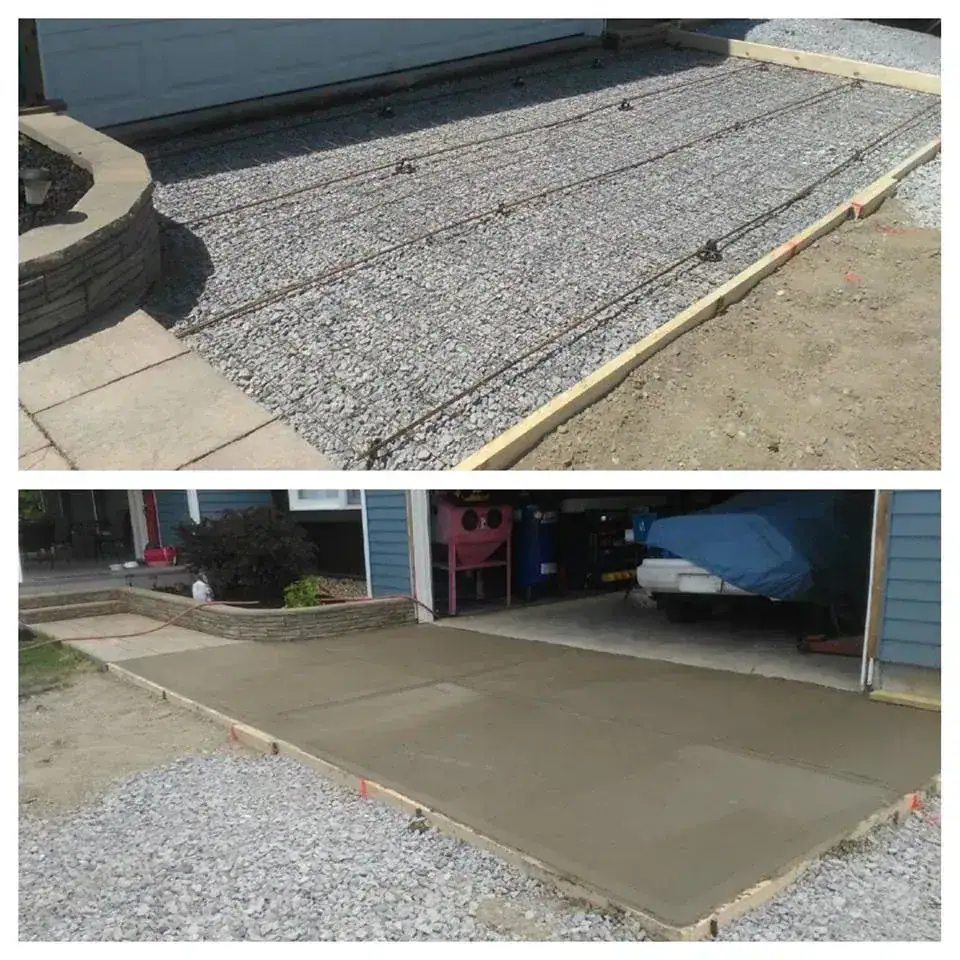
Asphalt paving company also offering concrete work, excavating, and snow removal services.
Contact Info
-
130 Co Rd 70
Stillwater, NY 12170 - Call: 518-935-3068
- Text: 518-935-3068
- Mon - Sun: 7am - 7pm
Contact Info
The paving industry is evolving fast. New materials, smarter tech, and higher standards are changing what "quality" actually means—and what you should expect from your contractor.

A decade ago, picking a paving contractor was straightforward. You called a few companies, compared prices, maybe asked a neighbor. Today, it’s more complicated—but also more important.
The difference between a contractor who understands modern paving and one who’s still doing things the old way shows up fast in New York’s climate. Water gets in. Temperatures drop. That pavement you just paid for starts cracking by spring.
Quality isn’t about having the fanciest equipment or the biggest crew. It’s about understanding soil conditions before the first shovel hits dirt. It’s knowing which asphalt grade works for your specific traffic load and climate. It’s preparing the base properly even when you’re not there to watch. The contractors who get this right are the ones still getting referrals five years later.
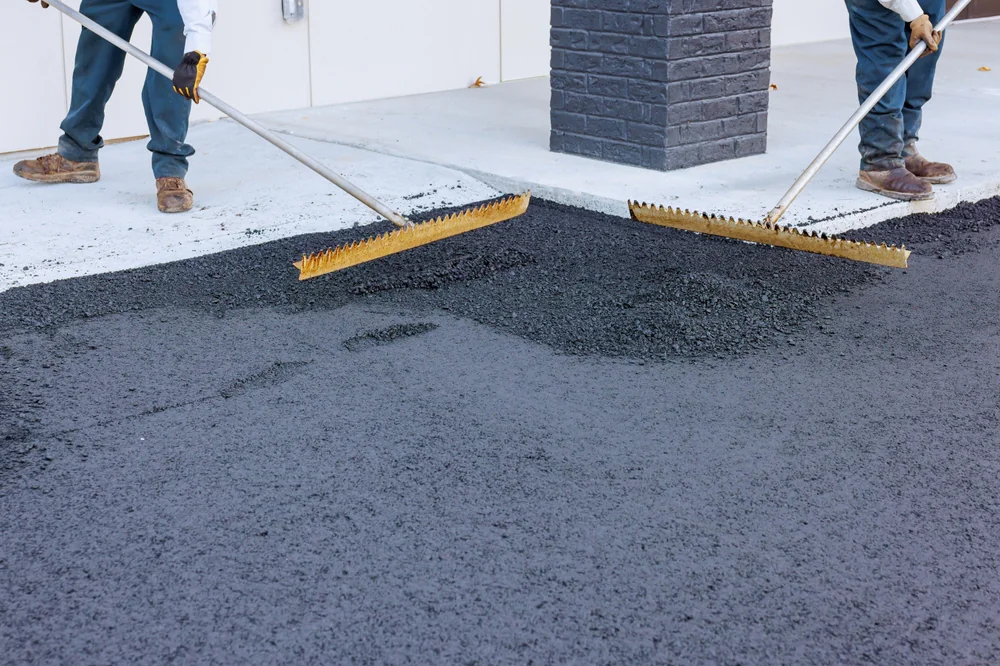
Saratoga Springs isn’t like everywhere else. The soil composition varies block to block. Victorian-era properties near Congress Park need different approaches than new developments on the outskirts. And anyone who’s lived through a winter here knows what freeze-thaw cycles do to pavement that wasn’t installed correctly.
A contractor from three counties over might offer a lower price. But they don’t know that the drainage on your street requires specific grading. They haven’t dealt with the soil conditions that make or break a driveway foundation in this area. They’re not the ones who’ll be around when something needs attention two years from now.
Local experience means understanding that water is your pavement’s biggest enemy in this climate. It means knowing which base materials compact properly in our soil types. It means having relationships with local suppliers who provide quality materials, not whatever’s cheapest that week.
We’ve been working in Saratoga County and Warren County for over 25 years. We’ve seen what fails and what lasts. We know which shortcuts lead to callbacks and which methods hold up through twenty winters. That knowledge doesn’t come from a training manual.
When a contractor has deep roots in the community, their reputation depends on every job. We can’t afford to cut corners because we’ll see you at the hardware store, the coffee shop, or when your neighbor asks for a recommendation. That accountability matters more than any contract clause.
We also understand the area’s character. We know how to work around historic properties without damaging original features. We understand that a driveway in Saratoga Springs needs to look right, not just function. And we’re familiar with local requirements and permitting, which saves you time and headaches.
Here’s what nobody tells you about cheap paving jobs: the real cost shows up later. Maybe it’s the first spring when you notice the driveway isn’t draining right. Maybe it’s year two when cracks start spreading. Maybe it’s year three when you’re calling around for repair quotes that exceed what you paid originally.
The most expensive paving job is the one you have to do twice. And in this climate, poor installation reveals itself fast.
A contractor who skimps on base preparation saves maybe two hours of labor and a few hundred dollars in materials. You save nothing, because that base is what keeps your pavement from buckling when the ground shifts. When it fails, you’re not patching—you’re replacing.
The same goes for asphalt quality. Lower-grade material with high recycled content costs less upfront. It also breaks down faster, especially under the temperature swings we see here. The contractor pockets the difference. You deal with deterioration that starts within months instead of years.
Then there’s the drainage issue. Proper grading takes time and attention. Skipping it means water pools, seeps under the pavement, freezes, expands, and destroys your investment from underneath. By the time you see the damage on the surface, the problem underneath is much worse.
Insurance matters too, even though it’s easy to overlook. An uninsured contractor offers a lower price because they’re not paying for coverage. If someone gets hurt on your property during the job, your homeowner’s insurance becomes the target. Those premiums can jump for years, costing far more than you saved on the initial bid.
We do it right because we’re trying to be the last paving company you’ll need to call. That means proper materials, correct installation, and standing behind the work when the job is done. It costs more upfront because it actually costs more to do correctly—but it’s the only approach that makes financial sense long-term.
Want live answers?
Connect with a Morgan Construction expert for fast, friendly support.
The paving industry isn’t standing still. New materials, updated techniques, and changing regulations are reshaping how quality contractors approach every project. If your contractor isn’t keeping up, you’re getting yesterday’s methods for today’s prices.
The shift toward sustainability isn’t just environmental—it’s practical. Modern recycled asphalt pavement performs as well as traditional mixes when done right, costs less, and reduces the environmental impact of your project. Nearly a third of agencies now require warm-mix asphalt production, which lowers emissions and allows for better quality control during installation.
But sustainability only matters if the contractor knows how to work with these materials properly. Recycled content requires different handling than virgin asphalt. Temperature windows are tighter. Mix ratios need precision. The contractors who’ve adapted to these methods deliver better results. The ones who haven’t are still doing things the way they did in 2010.
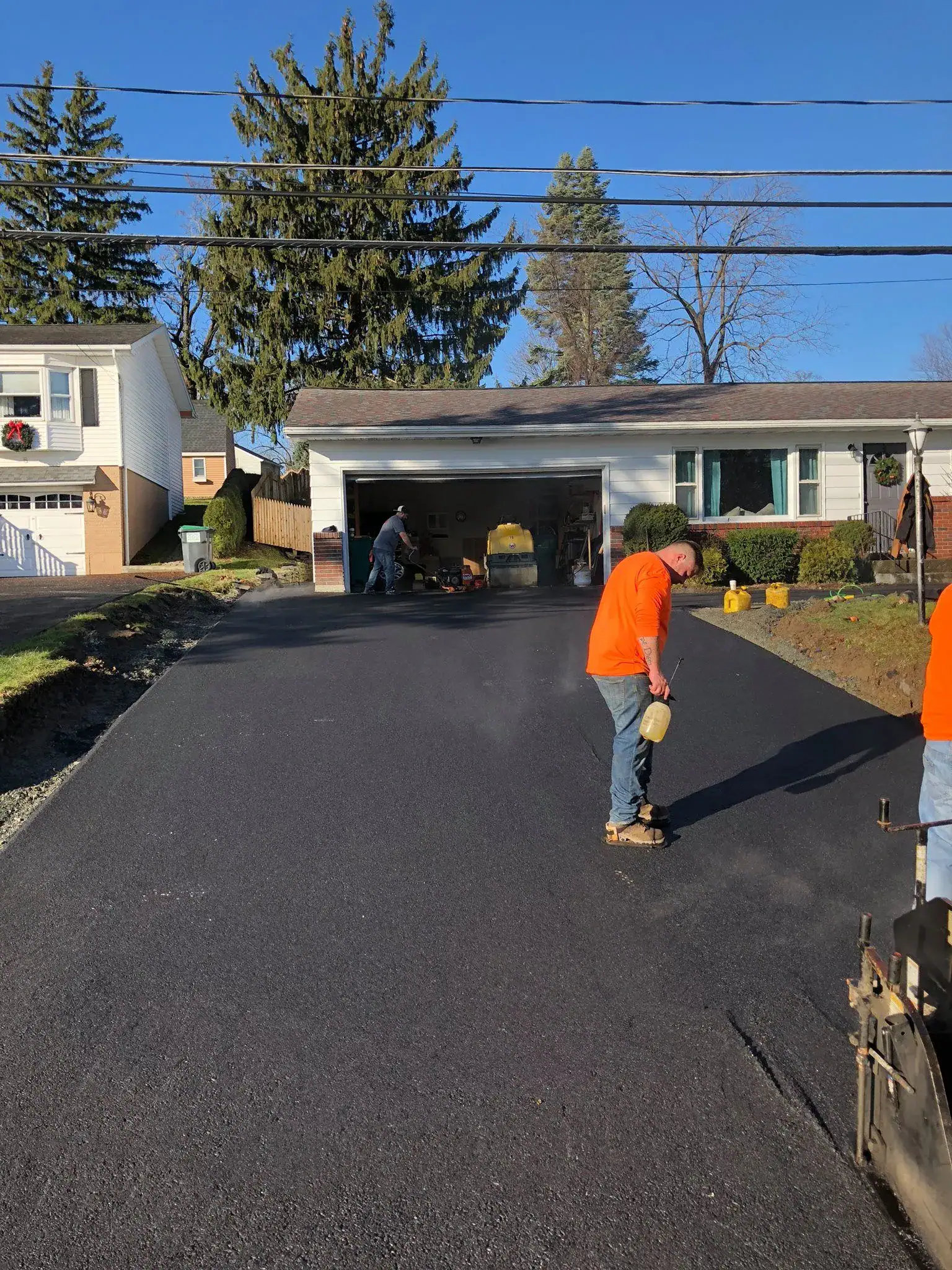
Water management has become critical, and it’s changing how smart contractors think about paving projects. Traditional asphalt creates impermeable surfaces that send runoff straight to storm drains. That’s a problem when heavy rains overwhelm systems, and it’s a missed opportunity for properties dealing with drainage issues.
Permeable paving technology allows water to pass through the surface into the ground below. This reduces runoff, prevents pooling, and helps recharge groundwater supplies. For properties in areas with drainage challenges, it’s not just environmentally friendly—it’s functionally superior.
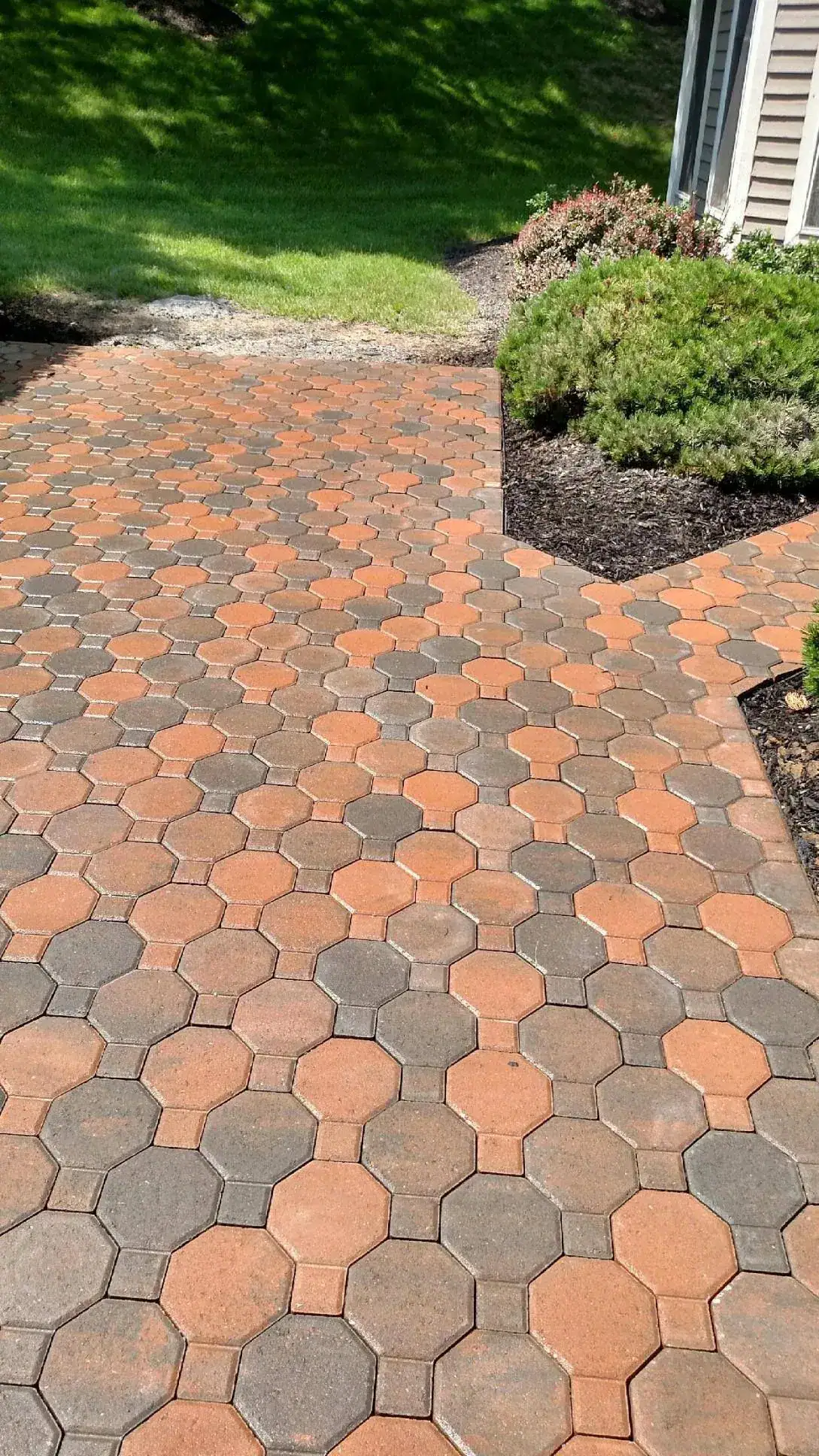
The technology comes in different forms. Porous asphalt uses specially designed aggregate that creates void spaces in the pavement. Permeable pavers use grid systems that allow water infiltration while maintaining load-bearing capacity. Both approaches require specific installation techniques and proper base preparation to function correctly.
Not every project needs permeable solutions, but understanding when they make sense separates contractors who think strategically from those who just lay asphalt. Properties with poor drainage, areas prone to pooling, and sites where stormwater management is required all benefit from these approaches.
The installation process is more involved than traditional paving. The base layer needs to be designed for water storage and infiltration. Aggregate selection matters. Compaction techniques differ. But when done correctly, permeable systems handle both traffic loads and water management without compromise.
Maintenance requirements are different too. Permeable surfaces need periodic cleaning to prevent clogging of void spaces. But this is straightforward work that preserves the system’s functionality for decades. We can explain the maintenance requirements upfront, so there are no surprises.
The regulatory environment is pushing toward these solutions in many areas. Stormwater management requirements are getting stricter. Properties that can handle water on-site rather than sending it to overtaxed municipal systems often face fewer permitting hurdles and lower fees. We understand these regulations and can help you navigate requirements while delivering a better end product.
Smart pavement technology sounds futuristic, but it’s already changing how the industry approaches large-scale projects. Sensors embedded in pavement monitor everything from traffic loads to temperature fluctuations to structural integrity over time. This data helps engineers make better decisions about maintenance timing, material selection, and design improvements.
For most residential and small commercial projects, full smart pavement integration isn’t practical yet. But the principles behind it—using data to drive decisions, monitoring performance over time, and planning maintenance proactively rather than reactively—are already influencing how quality contractors work.
Modern contractors use thermal imaging to verify proper asphalt temperatures during installation. GPS technology ensures accurate grading. Compaction meters confirm that the base meets specifications before paving begins. These tools aren’t flashy, but they eliminate guesswork and catch problems before they become expensive failures.
The shift toward data-driven paving also means better material selection. Contractors who track performance across multiple projects know which asphalt mixes hold up best in specific applications. They understand how different base materials perform in local soil conditions. They can point to actual results, not just manufacturer claims.
This approach extends to project planning. We assess site conditions thoroughly before providing estimates. We test soil. We evaluate drainage. We consider traffic patterns and load requirements. The result is a project designed for your specific situation, not a one-size-fits-all approach that might or might not work.
The technology also improves communication. We provide detailed documentation of the work, including photos of base preparation, material certifications, and installation conditions. If questions arise later, there’s a clear record of what was done and why. This transparency protects both us and our clients.
Looking ahead, these technologies will become standard practice, not competitive advantages. The contractors investing in them now are the ones who’ll be leading the industry in five years. The ones ignoring these shifts will be struggling to compete on anything other than price—and price alone is never a good indicator of value.
Choosing a paving contractor in 2026 means looking past the surface. It means asking about base preparation, material grades, and installation processes. It means checking insurance, verifying local experience, and talking to past clients. It means understanding that the lowest bid often signals corners you’ll pay to fix later.
The contractors worth hiring are the ones who take time to explain what they’re doing and why. They’re the ones who’ve been in the community long enough that their reputation matters more than any single job. They’re the ones using modern methods and quality materials because they know that’s what lasts.
When you’re ready to move forward with a paving project, look for a contractor who understands your specific situation, has deep roots in Saratoga County or Warren County, and stands behind their work long after the check clears. That’s what separates a top-rated contractor from everyone else—and it’s what ensures your investment holds up for decades, not just years. We bring that combination of local expertise, quality focus, and straightforward communication to every project, large or small.
Summary:
Article details:
Share: