Asphalt paving company also offering concrete work, excavating, and snow removal services.
Contact Info
-
130 Co Rd 70
Stillwater, NY 12170 - Call: 518-935-3068
- Text: 518-935-3068
- Mon - Sun: 7am - 7pm
Contact Info
The "system" approach treats hardscapes as integrated foundations—not decorative add-ons. Learn why drainage, materials, and proper base preparation matter more than ever in 2026. If you ignore the foundation, the foundation will eventually ignore you.

Most people think of hardscapes like a rug—you just roll it out and you’re done. But a professional hardscape is more like a high-performance engine. If the fuel pump (drainage) fails, it doesn’t matter how shiny the hood (asphalt) is; you aren’t going anywhere. A system-based hardscape is an integrated stack. It accounts for soil stability, groundwater movement, and the specific thermal expansion rates of New York pavement. When a contractor just “installs a surface,” they’re giving you a band-aid. When they “engineer a system,” they’re giving you a legacy.
If you ever find yourself in a boxing match with Mother Nature, bet on the water. It’s patient, it’s persistent, and it doesn’t care about your property taxes.
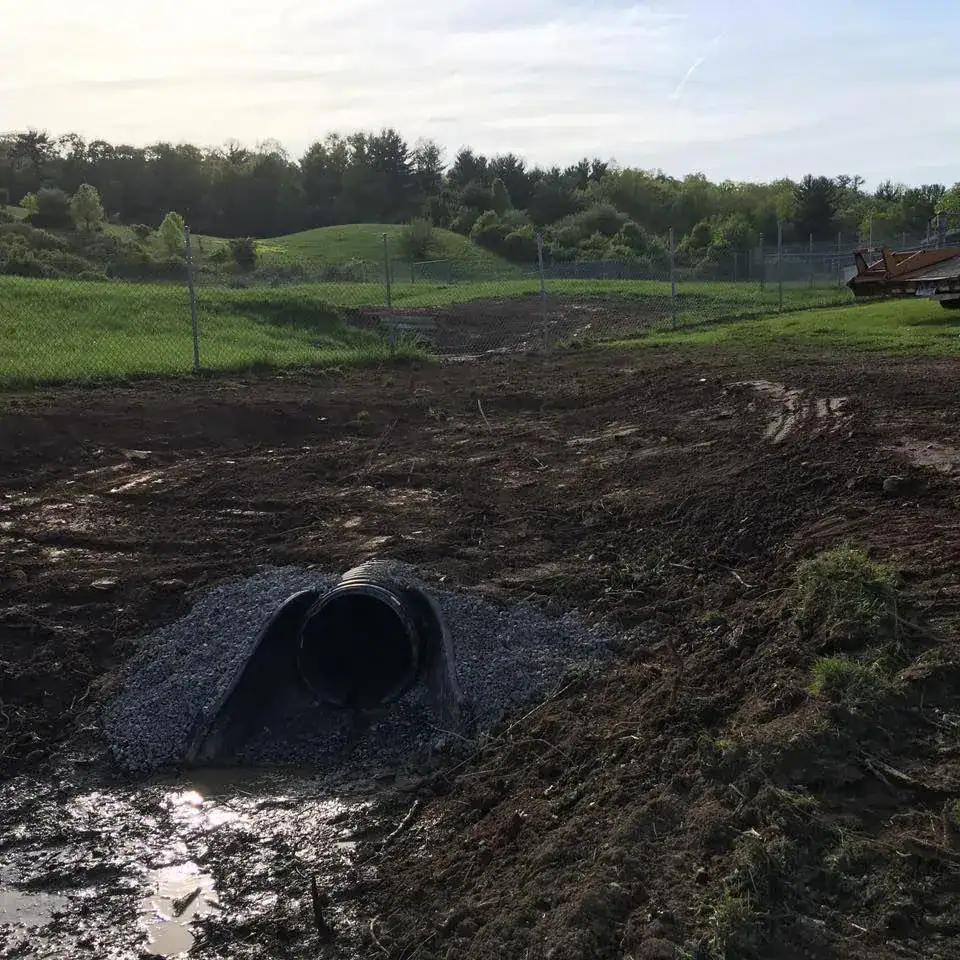
Poor drainage is the #1 cause of pavement death. In Saratoga and Warren County, our freeze-thaw cycles turn minor water issues into structural catastrophes. Water seeps into a tiny crack, freezes at 2:00 AM, expands by 9%, and effectively tries to “Hulk smash” your driveway from the inside out.
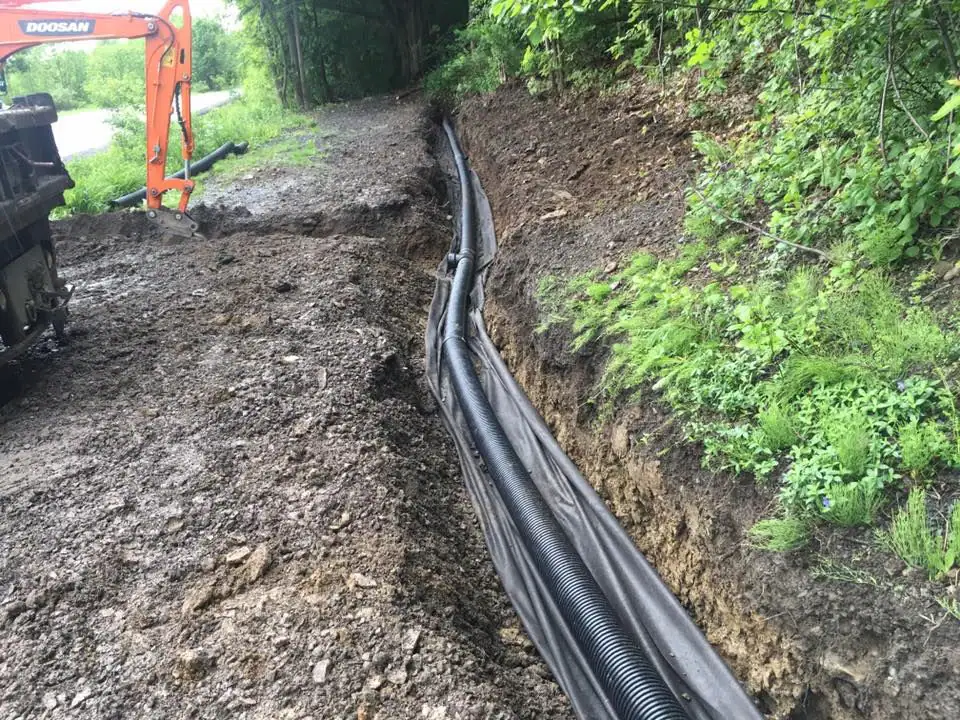
The system approach means planning for water before the first shovel hits the dirt. This involves precise site grading (so water actually flows away from your house, imagine that!) and subsurface drainage that handles the water you can’t see. It’s the unglamorous part of the job, but it’s what keeps your driveway from becoming a geological hazard.
The base is the unsung hero of the paving world. It does 100% of the heavy lifting, yet it gets 0% of the Instagram likes.
Because you can’t see the base once the job is finished, some “budget” contractors treat it as an optional suggestion. They might skip a layer of compaction or use whatever dirt was in the back of the truck. This is how you end up with a driveway that sags like an old mattress after the first heavy frost.
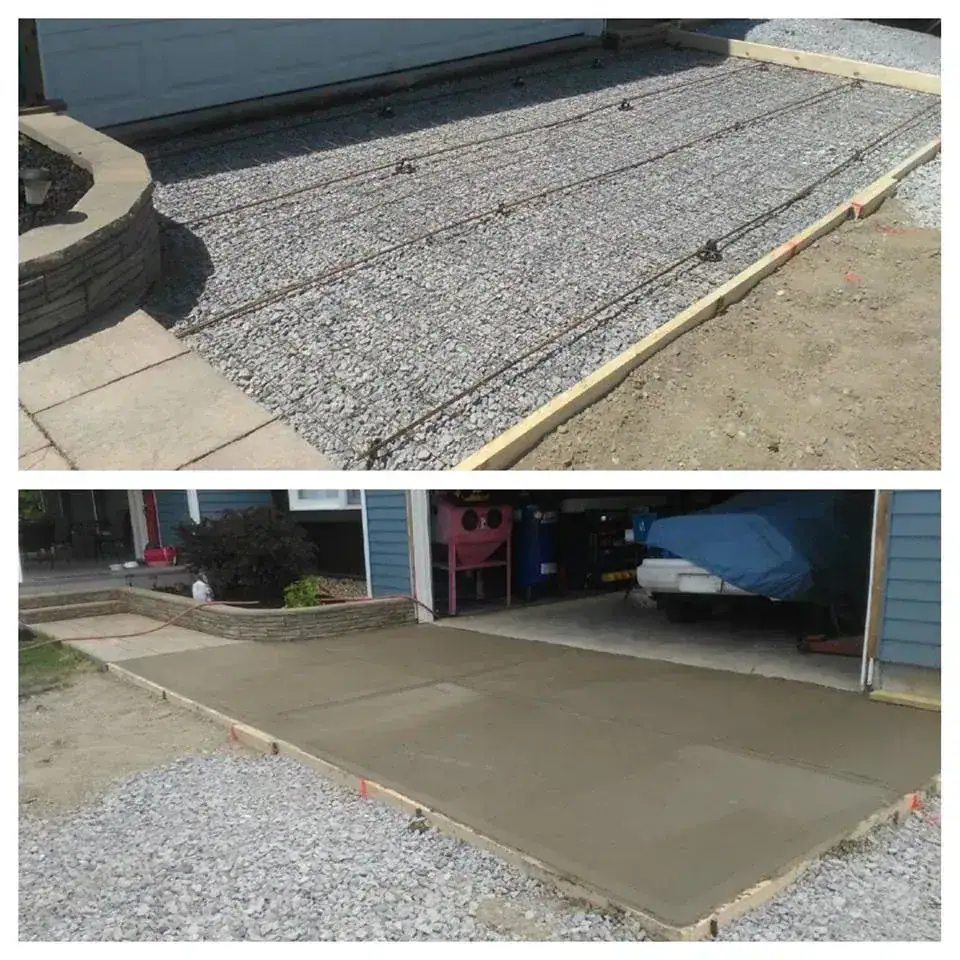
In our neck of the woods, where soil can be as unstable as a caffeine-addict’s hands, base prep is everything. It requires multi-layer compaction and proper edge support. A contractor focused on the “system” will spend hours on a base you’ll never see, just so you won’t have to see a repair crew for the next fifteen years.
Want live answers?
Connect with a Morgan Construction expert for fast, friendly support.
Sustainability in 2026 isn’t just about being “green”—it’s about being smart. A sustainable hardscape is one you don’t have to replace every five years. That’s the ultimate form of recycling.
We’re seeing a massive shift toward permeable materials. Why? Because managing water on-site is significantly cheaper than paying to fix the erosion and foundation damage caused by uncontrolled runoff. It’s the rare case where the environmentally friendly choice is also the one that protects your bank account.
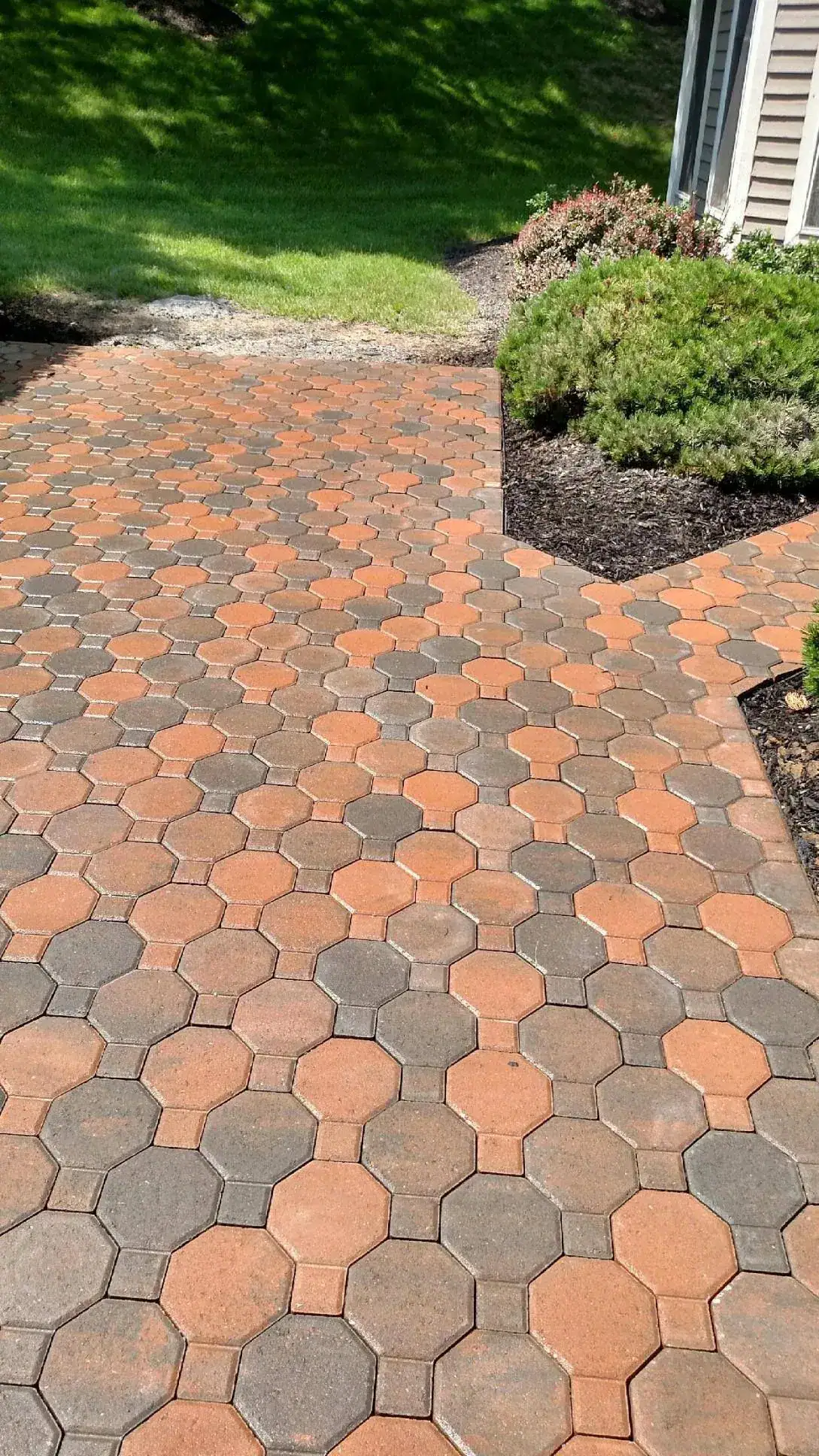
Permeable pavers are brilliant—if your soil actually cooperates. They allow water to filter through gaps and recharge the groundwater instead of flooding your garage.
They are fantastic for residential driveways and walkways, especially in areas with heavy spring runoff. However, they aren’t a “magic fix.” If your property sits on a high water table or dense clay, a permeable system might just turn into a very expensive underground bathtub. This is why site evaluation is critical. We’ll tell you if it works for your specific yard, or if you’re better off with a traditional sloped system. We prefer happy clients over selling you a “trend” that won’t drain.
New York winters are the ultimate stress test. If your materials aren’t spec’d for freeze-thaw cycles, they will fail. It’s not a matter of “if,” but “how soon.”
For asphalt, the mix design is essential. You need the right binder content so the surface stays flexible in January but doesn’t turn into molasses in July. For concrete and pavers, air entrainment and low absorption rates are the secret sauce. You want materials that keep water out, so there’s nothing to freeze and crack. A “system” contractor selects materials based on your sun exposure and traffic patterns. A “guy with a truck” selects materials based on what was on sale that morning. Choose wisely.
The difference between a hardscape that lasts and one that fails is purely a matter of perspective. Are you buying a “surface,” or are you investing in a “system”?
In 2026, the smart money in Saratoga and Warren County is on integrated engineering. People want straight answers about drainage and base prep because they know that “cheap” work becomes the most expensive work you’ll ever buy.
We’ve been building these systems for over 25 years. We know the soil, we know the weather, and we know exactly where the water wants to go (and how to tell it “no”).
Summary:
Share: