Asphalt paving company also offering concrete work, excavating, and snow removal services.
Contact Info
-
130 Co Rd 70
Stillwater, NY 12170 - Call: 518-935-3068
- Text: 518-935-3068
- Mon - Sun: 7am - 7pm
Contact Info
Hear From Our Clients
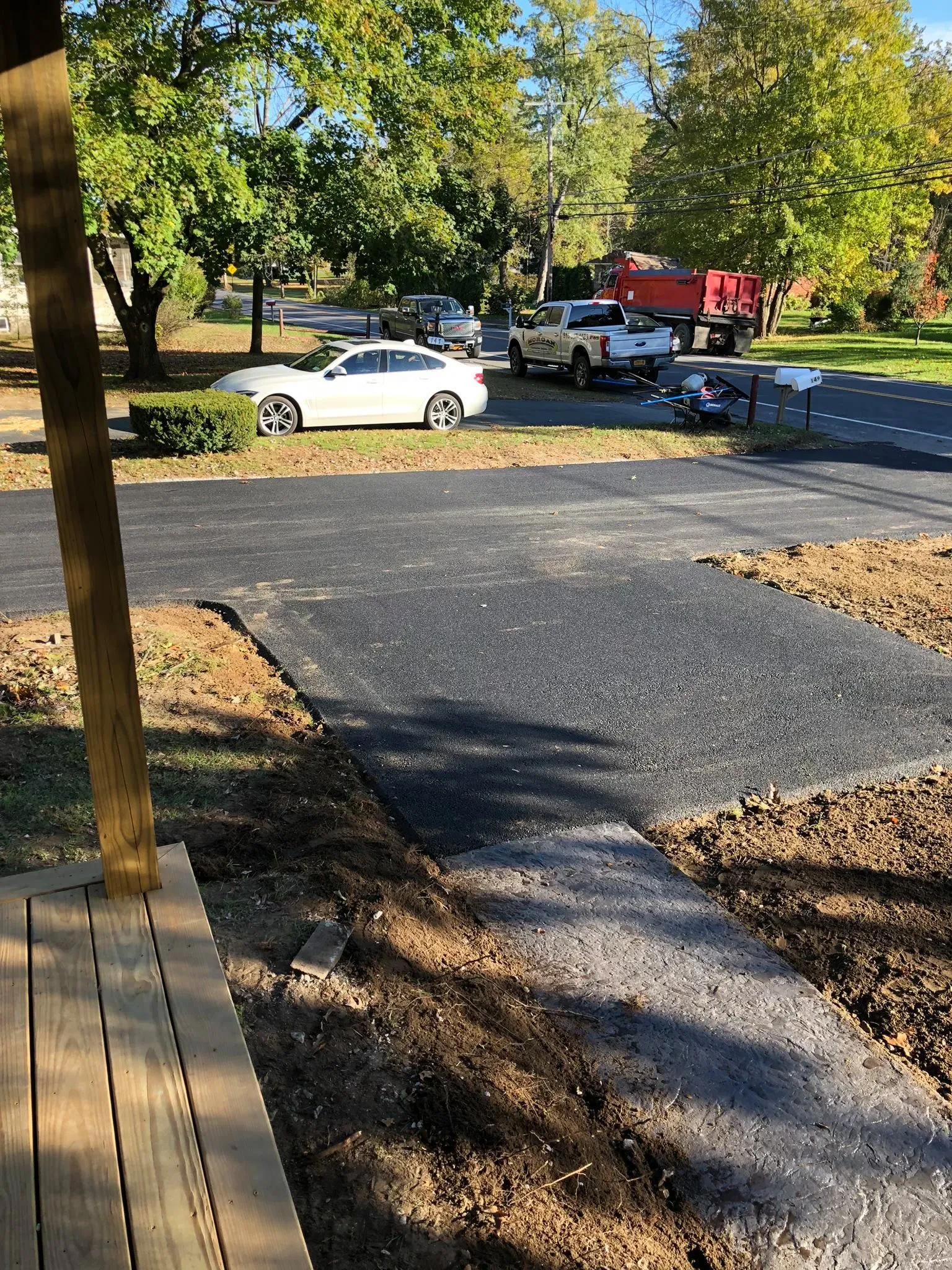
You’re not just getting a smooth surface. You’re getting a driveway or lot that drains correctly, compacts properly, and holds up under New York’s temperature swings without cracking apart in two years.
Proper asphalt paving prevents the water infiltration that destroys your base layer during winter. It eliminates the potholes that damage vehicles and create liability issues. It gives you a surface you can actually use year-round without worrying about what the next freeze will do.
When the base is prepped right and the asphalt goes down at the correct temperature, you’re looking at 15 to 25 years of reliable performance. That’s fewer repairs, less disruption, and better value over time. The work either protects your investment or it doesn’t—there’s not much middle ground.
We’ve been handling paving, asphalt, excavation, and foundation work in the local region for over 25 years. The owner is involved from your first call through project completion, which means you’re not dealing with a revolving door of subcontractors or waiting days for someone to return your call.
This isn’t a high-volume operation built on third-party leads and inflated pricing. We’re a local business that’s been here long enough to care about reputation and relationships. You get honest pricing, straightforward communication, and work that’s done right the first time because the person running the project is the same person whose name is on the truck.
When winter limits paving work, we shift focus to foundations and land clearing. That year-round availability means you’re not stuck waiting until spring for urgent repairs or dealing with temporary fixes that fail by March.
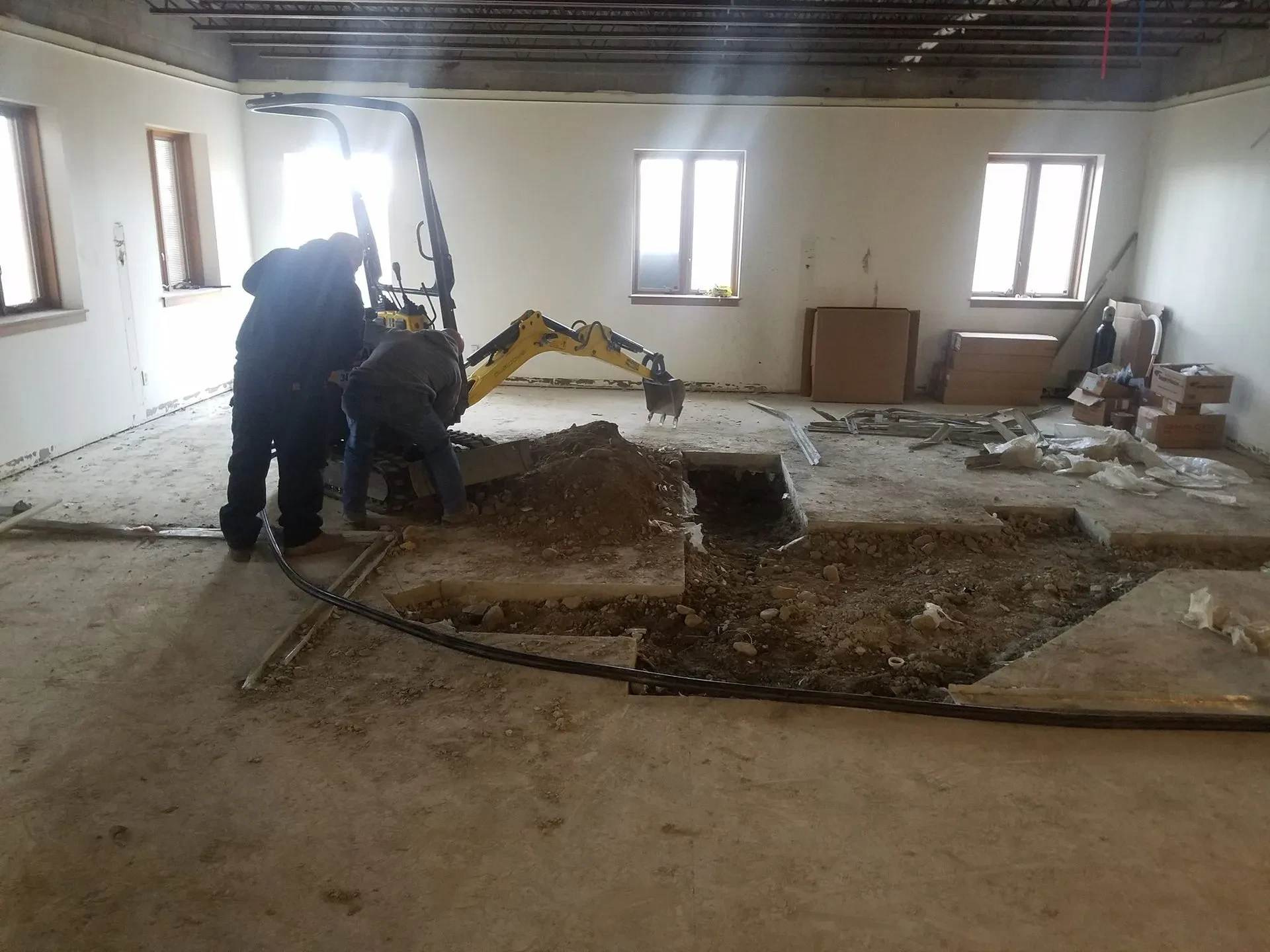
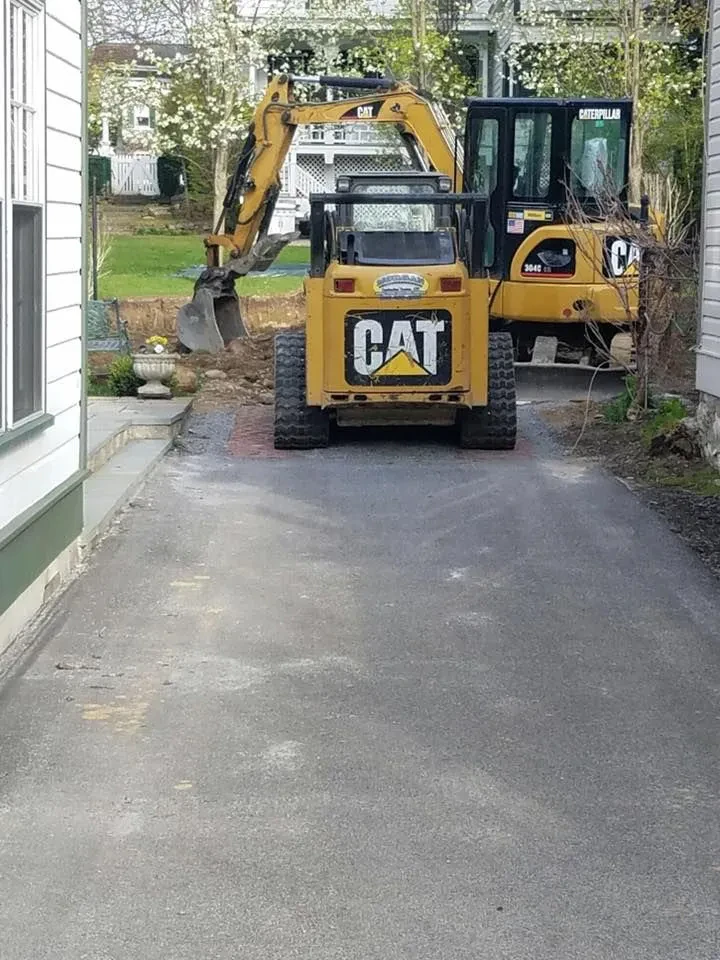
First, we evaluate the site. That means checking drainage, measuring grade, and identifying any base issues that’ll cause problems later. If your existing asphalt or concrete needs to come out, we remove it and haul it off. If the ground isn’t stable, we address that before anything else happens.
Next comes base preparation. A compacted aggregate base—usually 8 to 12 inches—goes down to support the asphalt. This layer is critical. Skip it or rush it, and your new pavement will fail no matter how good the asphalt is. Proper compaction here prevents settling and cracking down the road.
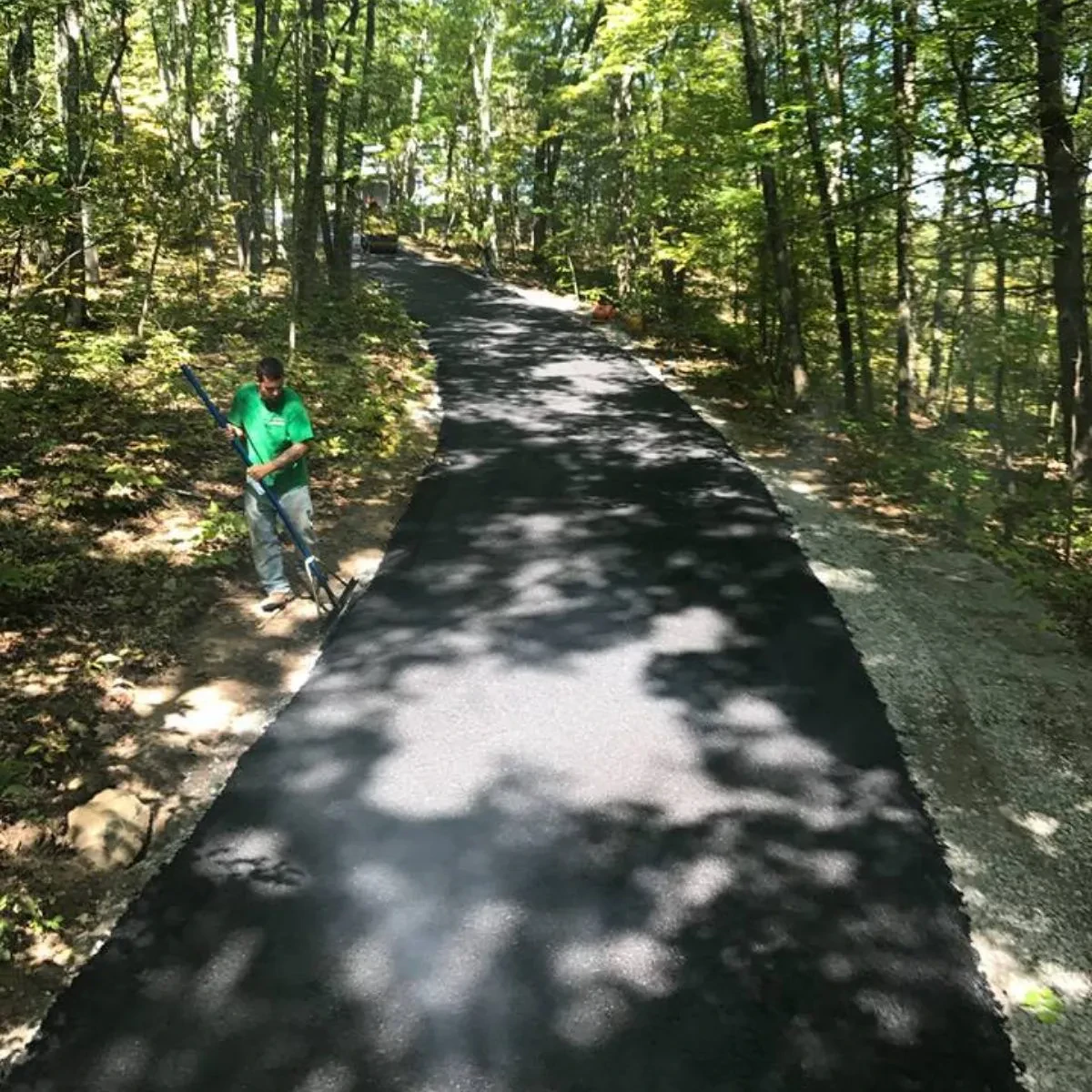
Then we install the asphalt. Hot mix asphalt arrives at 275 to 300 degrees and needs to be spread and compacted while it’s still hot. The thickness depends on your use—2 to 3 inches for residential driveways, 4 inches or more for commercial lots with heavy traffic. Once it’s down and compacted, it cools and hardens. You can drive on it within a couple days, but full curing takes about three weeks. After that, you’re set.
Ready to get started?
A complete paving job covers more than just laying asphalt. You get site evaluation and planning that accounts for drainage and grading specific to your property. You get proper base preparation that prevents future settling. You get asphalt installation using materials designed for New York’s climate—mixes that stay flexible through temperature swings from below zero to summer heat.
For commercial paving projects, that includes coordination around your business hours to minimize disruption. Parking lot work often happens in phases so you don’t lose all your customer parking at once. Line striping, ADA compliance, and proper drainage solutions are part of the scope, not add-ons you find out about later.
In Komar Park and throughout the region, New York’s weather demands attention to detail. Freeze-thaw cycles will find every weak point in your pavement. Water that doesn’t drain properly will get into cracks, freeze, expand, and tear your asphalt apart. We account for this from the start—correct slope for drainage, quality compaction to prevent voids, and asphalt thickness appropriate for your traffic load. The work either handles New York winters or it doesn’t, and you’ll know which one you got by the second season.
Properly installed asphalt paving typically lasts 15 to 25 years in New York, but that lifespan depends entirely on installation quality and maintenance. New York’s freeze-thaw cycles are brutal on pavement. Water gets into small cracks, freezes, expands, and creates bigger cracks. If your base wasn’t compacted correctly or drainage wasn’t planned properly, you’ll see failure much sooner.
The key factors are base preparation, asphalt thickness, and proper drainage. A solid aggregate base that’s compacted to at least 95% density gives you stability. Asphalt that’s thick enough for your traffic load—2 to 3 inches for driveways, 4+ inches for commercial lots—provides durability. And drainage that moves water away from your pavement prevents the infiltration that causes most winter damage.
Maintenance matters too. Sealcoating every 3 to 5 years protects against UV damage and oxidation. Filling cracks before they spread prevents water infiltration. Neglect these basics and even the best installation will fail early. Stay on top of them and you’ll get decades of reliable performance.
Late spring through early fall is the ideal window for asphalt paving in Komar Park and throughout New York. You need consistent temperatures above 50 degrees Fahrenheit for hot mix asphalt to compact properly. Below that threshold, the asphalt cools too quickly and won’t achieve the density it needs to hold up under traffic and weather.
Summer offers the most reliable conditions—warm ground temperatures, low humidity, and predictable weather. The asphalt stays workable longer during installation, which means better compaction and a smoother finished surface. Early fall can work well too, as long as temperatures stay consistently warm and you’re not racing against cold snaps.
Winter paving is possible with special techniques and equipment, but it’s typically reserved for emergency repairs rather than new installations. Cold weather makes the asphalt stiffen faster, which makes proper compaction difficult. If you’re planning a new driveway or parking lot, scheduling it for late spring or summer gives you the best conditions for quality work that lasts.
Driveway paving in Komar Park typically runs $5 to $9 per square foot for a complete installation, which includes removing old pavement, preparing the base, and installing new asphalt. A standard two-car driveway of about 600 square feet would cost roughly $3,000 to $5,400. Larger driveways or those requiring significant base work will cost more.
Several factors affect the final price. If your existing driveway needs to be removed and hauled away, that adds to the cost. If the ground isn’t stable and requires extra base preparation or grading work, that increases the price. Asphalt thickness matters too—thicker asphalt costs more upfront but lasts longer and handles heavier loads. Driveways with steep slopes, curves, or difficult access also require more labor and materials.
Resurfacing an existing driveway costs less—typically $2 to $4 per square foot—because you’re adding a new layer over a stable base rather than starting from scratch. But resurfacing only works if your existing base is solid. If the base has failed or drainage is poor, resurfacing just covers up problems that’ll resurface quickly. We’ll tell you when resurfacing makes sense and when you need a full replacement.
Permit requirements for driveway paving vary by municipality in New York, so you’ll need to check with your local building department to know what’s required for Komar Park specifically. Many towns and villages require permits for new driveway installations, especially if you’re creating a new curb cut or changing the driveway’s footprint. Permits ensure the work meets local codes for drainage, setbacks, and property line requirements.
Some municipalities also require permits if you’re removing and replacing an existing driveway, while simple resurfacing may not need one. The permit process typically involves submitting a site plan showing the driveway location, dimensions, and drainage plan. There’s usually a fee based on the project scope, and the work may require inspection before and after installation.
We know the local permit requirements and can often handle the application process for you. Working without required permits can result in fines and may cause problems if you sell your property later. It’s worth taking the time to do it right—most permit processes are straightforward and don’t add significant time to your project timeline.
Asphalt and concrete both work for driveways, but they have different characteristics that matter in New York’s climate. Asphalt is more flexible, which helps it handle freeze-thaw cycles better than concrete. It’s also faster to install—you can drive on it within a couple days versus a week or more for concrete. Asphalt typically costs less upfront, running $5 to $9 per square foot versus $6 to $12 or more for concrete.
Concrete is more rigid and can crack when the ground shifts or freezes. Once it cracks, repairs are more visible and difficult. Concrete does offer a lighter color that reflects heat rather than absorbing it, and some people prefer the aesthetic. It also requires less maintenance over its lifespan—no sealcoating needed like asphalt requires every few years.
For New York’s climate, asphalt’s flexibility is a significant advantage. It expands and contracts with temperature changes without cracking as easily as concrete. Maintenance is straightforward—sealcoating every 3 to 5 years and filling cracks as they appear. Concrete’s rigidity makes it more vulnerable to our freeze-thaw cycles, which is why you see more asphalt driveways in this region. Both materials last 20+ years with proper installation, but asphalt tends to handle our weather better.
You can typically drive on new asphalt within 24 to 72 hours after installation, but full curing takes 20 to 30 days. During that first month, the asphalt is still hardening and is more vulnerable to damage from heavy loads, sharp turns, and hot weather. Light vehicle traffic is fine after a couple days, but you’ll want to avoid parking in the same spot repeatedly or making sharp turns that can scuff the surface.
Hot weather affects curing time. On very hot days, fresh asphalt stays softer longer, which means it’s more susceptible to tire marks and indentations. If possible, avoid parking on brand new asphalt during heat waves in the first few weeks. Cooler weather actually helps the asphalt cure faster and become drivable sooner, though installation in cold weather comes with its own challenges.
After the full 30-day curing period, your asphalt is fully hardened and ready for normal use. That’s when you can park heavy vehicles, make sharp turns, and use the driveway without worrying about surface damage. We recommend waiting 6 to 12 months before applying the first sealcoat, giving the asphalt time to fully cure and any oils in the mix to evaporate. Following these timelines protects your investment and helps your new driveway last its full 15 to 25-year lifespan.
Other Services we provide in Komar Park