Asphalt paving company also offering concrete work, excavating, and snow removal services.
Contact Info
-
130 Co Rd 70
Stillwater, NY 12170 - Call: 518-935-3068
- Text: 518-935-3068
- Mon - Sun: 7am - 7pm
Contact Info
Hear From Our Clients
You’re looking at your driveway or parking lot and seeing cracks, drainage problems, or uneven patches that keep getting worse. Maybe you’re tired of temporary fixes that don’t last through a single winter. Or you need new asphalt installed and you’re not sure which paving contractor actually knows what they’re doing in Malta’s climate.
Here’s what changes when the work is done right. Your driveway drains properly instead of pooling water that seeps into the foundation. Your parking lot handles heavy traffic and freeze-thaw cycles without crumbling. You’re not dealing with emergency repairs every spring because the base was prepared correctly from the start.
The surface looks clean and professional. Customers notice. Neighbors notice. More importantly, you’re not thinking about it anymore because it just works. That’s the difference between a paving job that checks a box and one that actually solves the problem for years.
We’ve been handling paving, asphalt, excavation, and foundation work in Malta, NY for over 25 years. The owner is involved in every project from your first call to the final walkthrough. No sales team, no project managers who disappear, just direct communication with the person actually running your job.
We work year-round. Paving and asphalt during the season, foundations and land clearing when temperatures drop. That means projects keep moving and you’re not waiting months for an available crew. Malta’s growing fast with GlobalFoundries, Luther Forest Technology Campus, and new residential development throughout Round Lake and Mechanicville, and we’ve been part of that growth.
What you get is honest pricing, emergency response when you need it, and someone who answers the phone. We focus on repeat clients and referrals, not one-off sales, which means the work has to hold up.
The process starts with an on-site evaluation. You explain what you need, and the owner walks the property to assess drainage, soil conditions, and base requirements. You get a clear estimate that covers excavation, grading, base material, and asphalt installation with no surprise additions later.
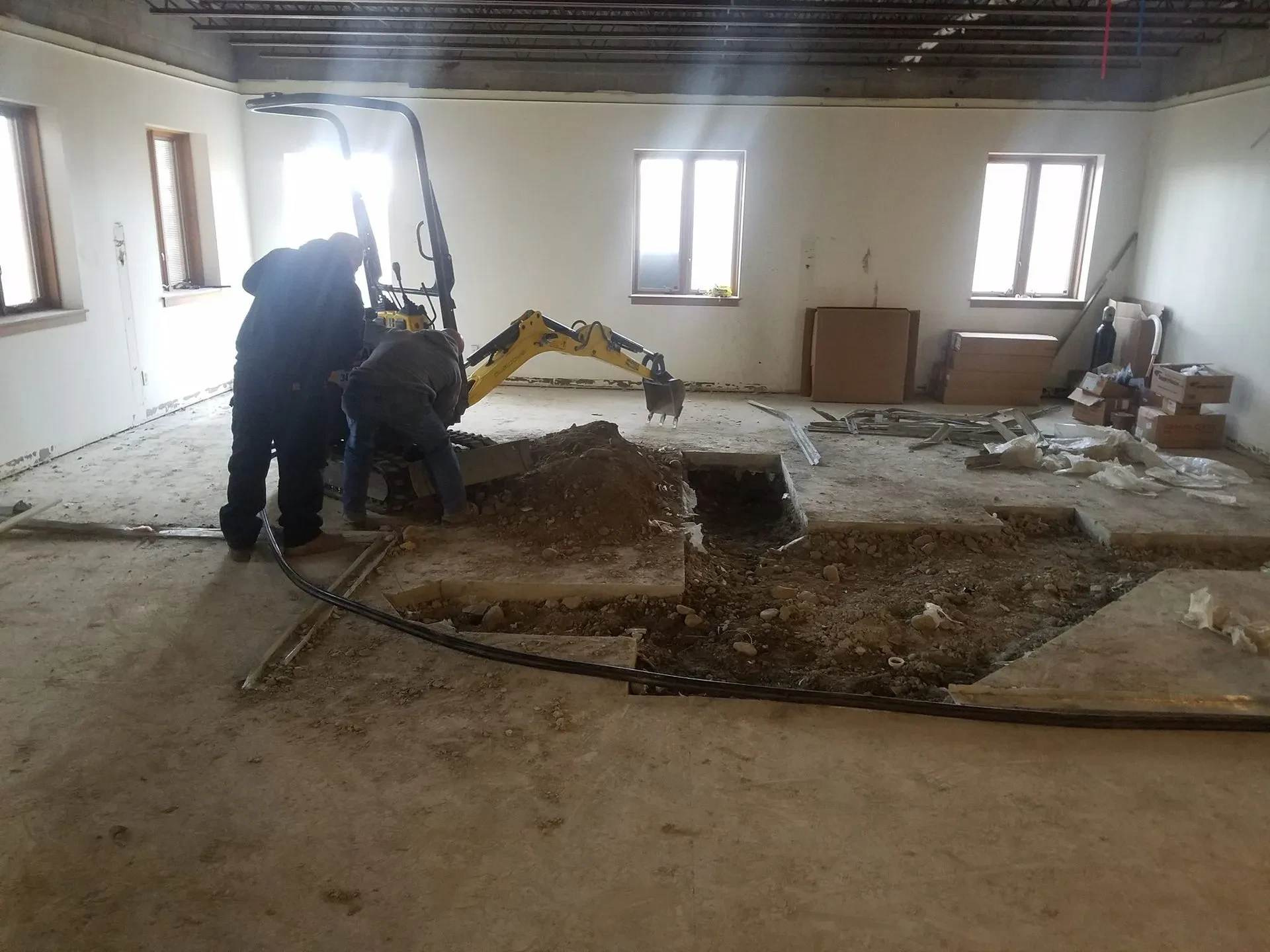
Site preparation comes next. This is where most paving jobs succeed or fail. We excavate to proper depth, grade for drainage away from buildings, and compact a stable base. Shortcuts here mean premature failure, so this step takes the time it takes. If there are drainage issues, we address them now with proper grading or additional solutions.
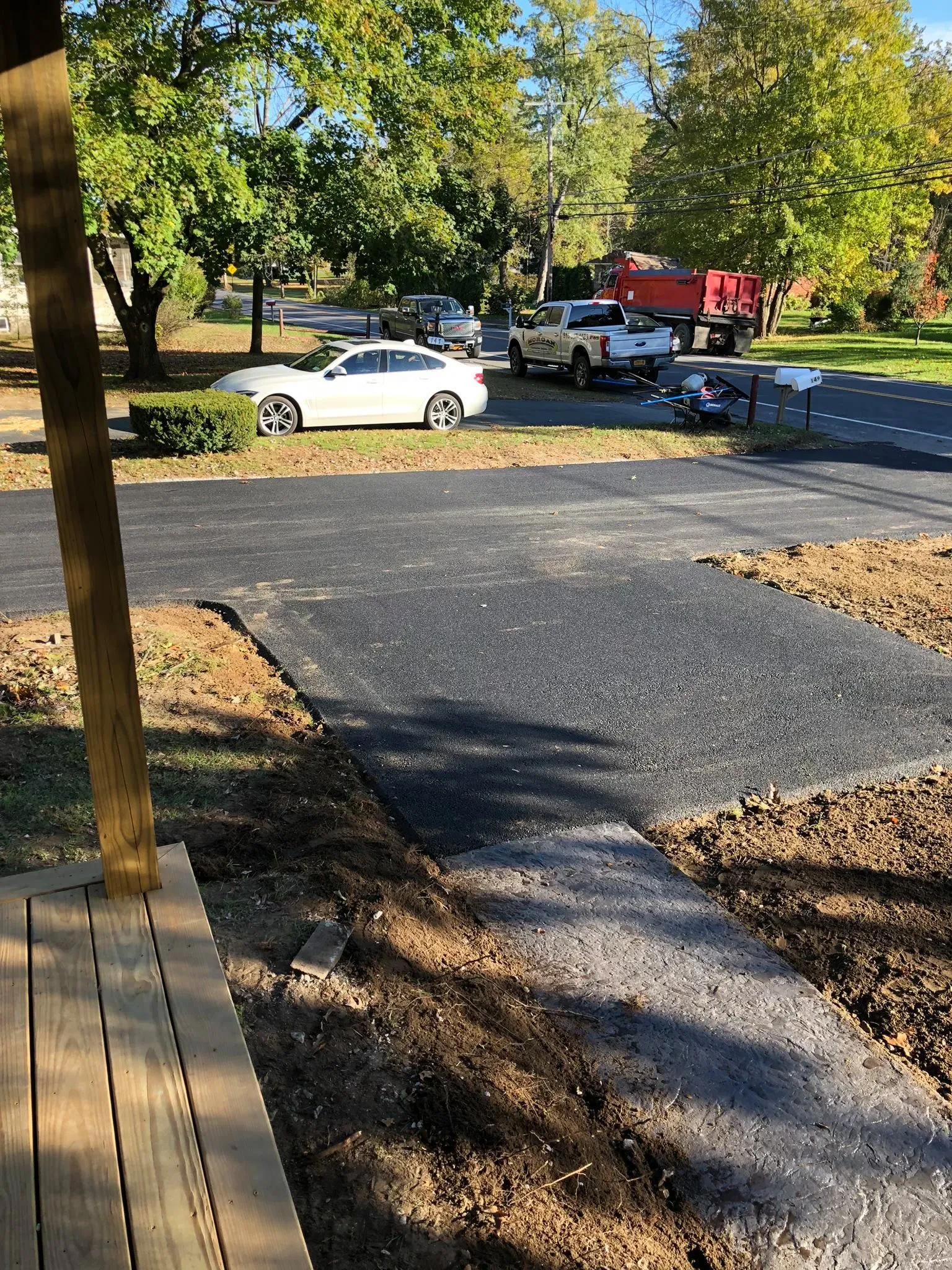
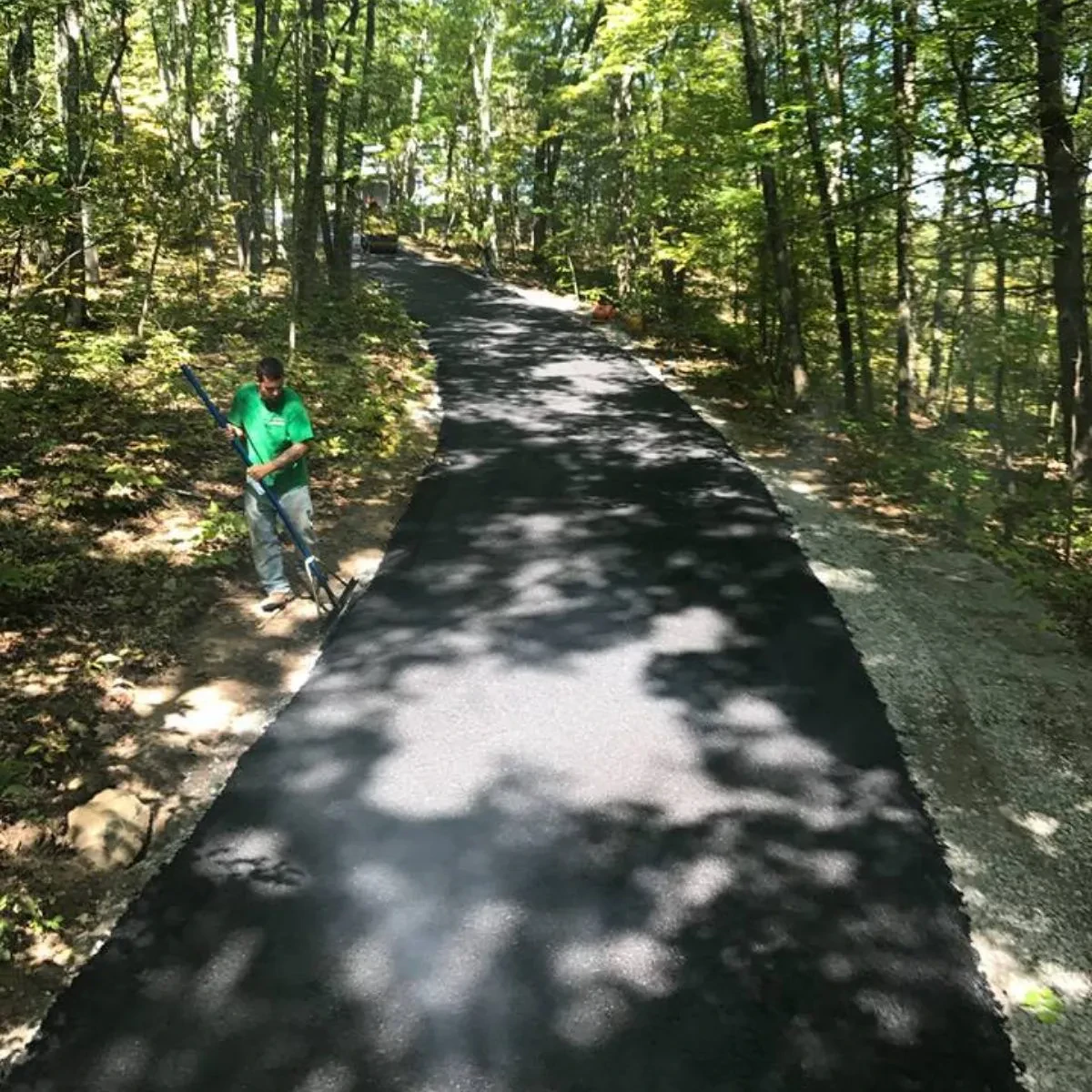
Asphalt goes down once the base is ready. We use quality materials, compact properly, and ensure smooth transitions to existing surfaces. You’ll need to stay off it for 48-72 hours while it sets. Full curing takes months, but you can use the surface carefully during that time. The owner reviews the completed work with you before we leave.
Ready to get started?
Driveway paving covers residential properties throughout Malta, from single-car driveways to long private roads. The work includes excavation, proper base preparation, grading for drainage, and asphalt installation. You’re getting a surface built to handle Malta’s freeze-thaw cycles and last decades with basic maintenance.
Parking lot paving handles commercial properties, from small business lots to larger facilities near Saratoga Village Boulevard and Route 9. This includes layout planning for traffic flow, ADA compliance where needed, proper base construction, and asphalt designed for heavier loads. We work to minimize disruption to your business operations.
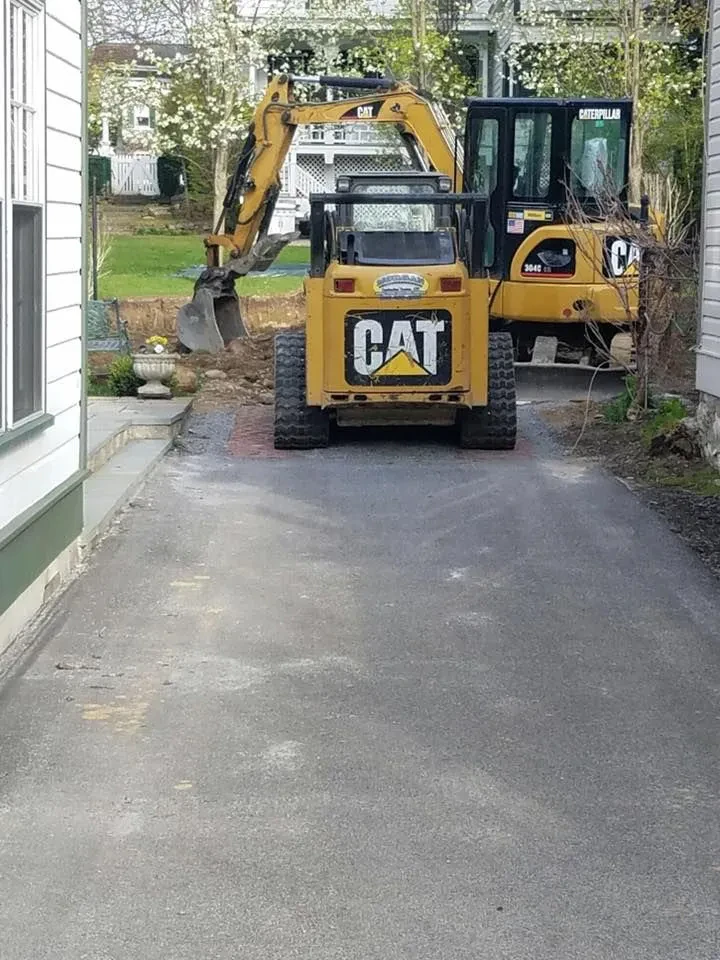
Excavation and site preparation services support both paving projects and standalone work. This covers land clearing, grading, drainage solutions, and foundation preparation. Having one contractor handle excavation through final paving means better coordination and accountability. Winter months shift our focus to foundation work and land clearing when paving isn’t practical, keeping projects moving year-round instead of waiting for spring.
Your new asphalt will be dry enough to walk on within 24 hours and ready for careful vehicle traffic after 48-72 hours. That’s the drying time, not the curing time. Full curing takes six months to a year, during which the asphalt is more vulnerable to damage from heavy loads, sharp turns, and extreme heat.
During the curing period, avoid parking in the same spot repeatedly, especially in summer when heat softens the surface. Don’t turn your steering wheel while stationary, as this can leave marks. Heavy equipment or dumpsters should stay off new asphalt until it’s fully cured. These precautions prevent issues that would otherwise require repairs.
After full curing, your driveway or parking lot can handle normal use without special care. Regular maintenance like sealcoating every few years extends the life of the surface, but the initial curing period is when you need to be most careful. A contractor who explains this upfront is giving you information you need to protect your investment.
Poor drainage is the top killer of asphalt in Malta. Water that pools on the surface or doesn’t drain away from the edges seeps into the base, especially during freeze-thaw cycles. That water expands when it freezes, lifting and cracking the asphalt. You’ll see alligator cracking, which looks like interconnected cracks forming a pattern, and that signals foundation failure underneath.
Inadequate base preparation is the second major cause. If the contractor skips proper excavation depth, uses insufficient base material, or doesn’t compact correctly, the asphalt has nothing solid supporting it. Traffic and weather stress cause it to shift and crack. Cheap quotes often mean shortcuts on base prep since that’s where significant material and labor costs live.
Using low-quality asphalt or applying it too thin also leads to early failure. Standard asphalt for driveways should be 2-3 inches thick over a properly prepared base. Anything thinner won’t hold up to vehicle weight and weather. A contractor who explains base depth, drainage planning, and material specifications is showing you they understand what actually makes asphalt last in Malta’s climate.
Replace if you’re seeing widespread alligator cracking, multiple large areas of failure, or significant settling that creates dips and drainage problems. These issues indicate the base has failed, and patching surface cracks won’t fix the underlying problem. You’ll spend money on repairs that don’t last and end up replacing it anyway within a few years.
Repair makes sense for isolated cracks, small potholes, or surface wear when the overall structure is still sound. If most of the driveway drains properly and the base is stable, targeted repairs plus sealcoating can extend its life considerably. A driveway that’s 15-20 years old with minor issues is often worth repairing. One that’s 25+ years old with major problems usually needs replacement.
An honest contractor will walk your property and tell you which approach makes financial sense. If they immediately push replacement without explaining what’s failing and why, that’s a red flag. If they suggest repairs for a driveway with obvious foundation failure, that’s also a problem. You want someone who explains what they’re seeing and gives you options based on actual conditions, not what generates the biggest invoice.
Asphalt paving in Malta typically runs $7-13 per square foot for standard residential driveways, depending on site conditions, access, base requirements, and current material costs. A typical two-car driveway of 600 square feet might cost $4,200-$7,800. That’s for complete installation including excavation, base material, grading, and asphalt.
Your actual cost depends on factors specific to your property. Poor drainage requiring additional grading work increases cost. Difficult access that limits equipment options increases cost. Extensive excavation because the existing base failed increases cost. A contractor who quotes without seeing the site is guessing, and those guesses rarely work in your favor when reality shows up.
Be suspicious of quotes significantly below market rate. Paving has real material and labor costs that don’t disappear because someone offers a discount. Low quotes usually mean shortcuts on base depth, cheaper materials, or thinner asphalt that won’t last. Get detailed written estimates that specify excavation depth, base material type and depth, and asphalt thickness. Compare those specifics, not just the bottom-line number. The cheapest quote often becomes the most expensive when you’re repaving again in five years.
Asphalt paving requires temperatures above 50°F for proper installation and compaction, which makes winter paving impractical in Malta. Cold temperatures prevent the asphalt from compacting correctly and bonding properly, leading to premature failure. We won’t pave in winter because the work won’t hold up regardless of how well it’s done.
However, site preparation work including excavation, grading, and base installation can often proceed in winter when ground conditions allow. Getting this work done during the off-season means the site is ready for asphalt as soon as temperatures permit in spring. This approach can actually speed up project completion since you’re not waiting for both site prep and paving during the busy season.
We shift to foundation work, excavation, and land clearing during winter months, keeping projects moving year-round. If you’re planning a spring paving project, starting site prep in winter means you’re first in line when paving season opens. A contractor who works year-round instead of disappearing for months shows they’re serious about the business and available when you need them.
Malta typically requires permits for new driveway installation or significant modifications that change drainage patterns or access points to public roads. Repaving an existing driveway in the same footprint usually doesn’t require a permit, but regulations can vary based on your specific location and property characteristics. The Town of Malta Building Department handles these determinations.
Your contractor should know local permit requirements and either handle the application process or tell you exactly what you need to file. If they’re vague about permits or suggest skipping them to save money, that’s a major red flag. Unpermitted work can create issues when you sell the property or if a neighbor complains. It’s not worth the risk.
Call the Malta Building Department before starting work if you’re unsure. They’ll tell you whether your project needs a permit based on scope and location. This takes one phone call and prevents problems down the road. We know these requirements and build permit time into project schedules. A contractor who’s been working in Malta for decades should know this without hesitation.
Other Services we provide in Malta