Asphalt paving company also offering concrete work, excavating, and snow removal services.
Contact Info
-
130 Co Rd 70
Stillwater, NY 12170 - Call: 518-935-3068
- Text: 518-935-3068
- Mon - Sun: 7am - 7pm
Contact Info
Hear From Our Clients
No more cracks every spring. No more water pooling near your foundation. No more wondering if the work will hold up through another freeze-thaw cycle.
You get asphalt that handles what Athol winters throw at it. Heavy snow loads, temperature swings, salt exposure, daily traffic. The kind of paving work that still looks professional five years later because the base was done right the first time.
Your property value goes up. Your maintenance costs go down. You stop worrying about when the next repair bill is coming because you chose a contractor who knows how to build for this climate.
We’ve been handling asphalt paving, excavation, and foundation work in Athol and the surrounding region for more than 25 years. You talk directly to the owner from your first call through project completion.
That means no sales reps, no runaround, and no wondering who’s actually responsible for your job. Every project gets hands-on management, straightforward communication, and the kind of attention that comes from someone who’s built a reputation on doing things right.
Athol’s winters are tough on asphalt. We understand how freeze-thaw cycles work, how drainage needs to be graded, and what materials hold up in this climate. That local knowledge makes the difference between pavement that lasts and pavement that fails.
It starts with an honest assessment of your site. We look at drainage, existing conditions, and what you actually need—not what maximizes the invoice.
Next comes excavation and base preparation. This is where most asphalt failures start, so we do it right. Proper depth, quality aggregate, correct compaction. The foundation has to support everything above it through years of weather and use.
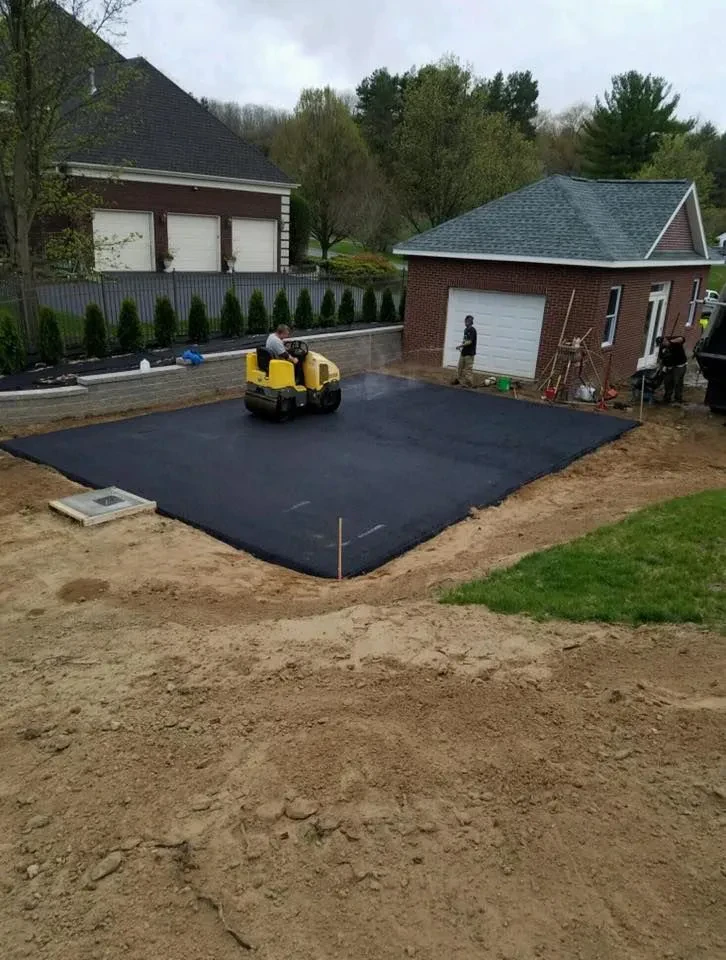
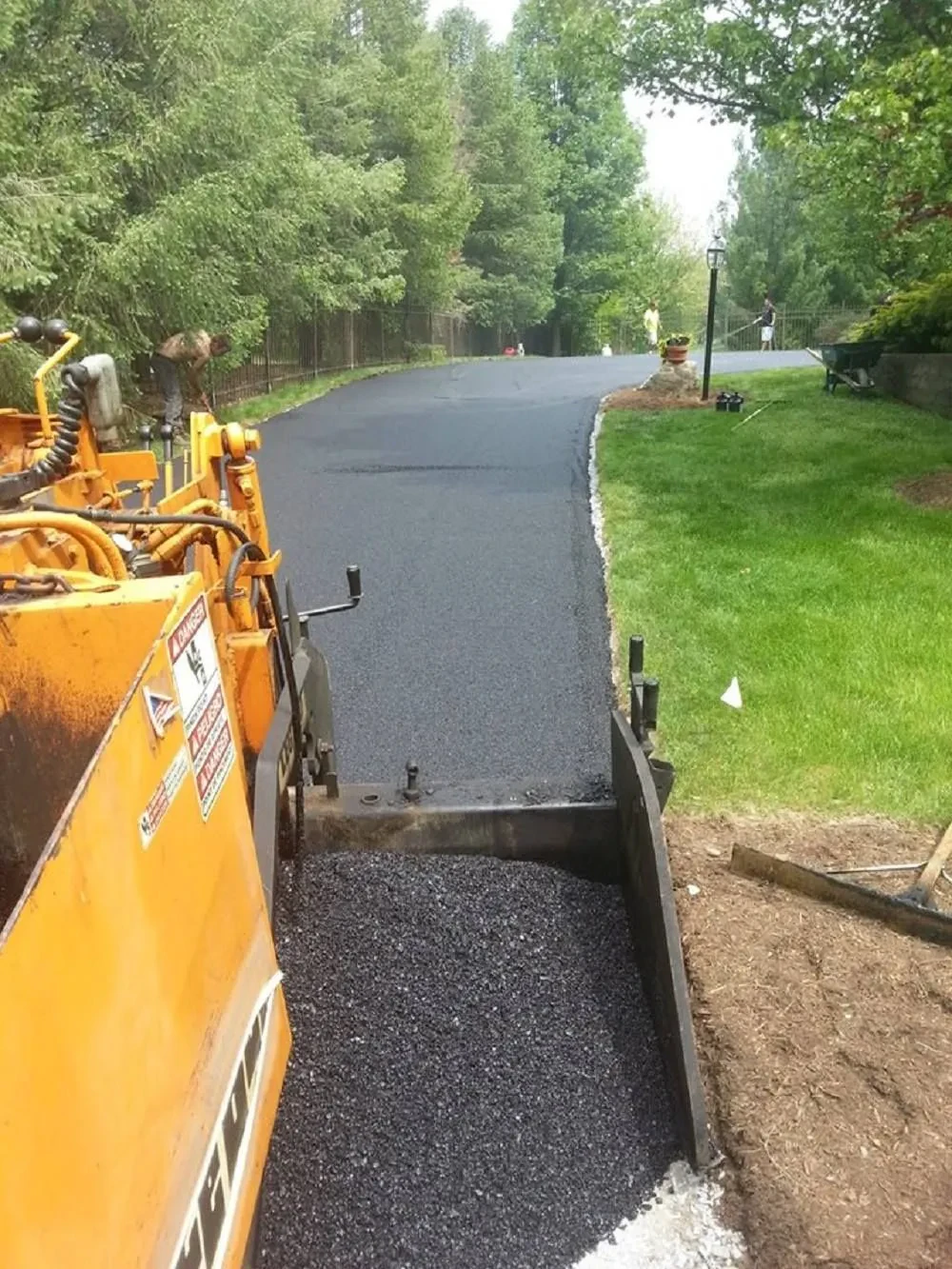
Then the asphalt goes down. Hot mix installed at the right temperature, compacted properly, graded to move water away from your property. You get a surface built for Athol’s climate, not just whatever’s easiest to install. Most residential driveways take one to two days. Commercial work depends on size but follows the same process—no shortcuts, no surprises.

Ready to get started?
We handle residential asphalt driveways, commercial parking lots, excavation, and foundation work. That means one contractor for your entire project instead of coordinating multiple companies.
For driveways, you get proper excavation, compacted stone base, quality hot mix asphalt, and grading that keeps water away from your foundation. For parking lots, that includes ADA compliance, drainage systems, and materials designed for heavy traffic and frequent use.
Athol’s climate demands specific attention to drainage. Water is asphalt’s biggest enemy, especially when it freezes. We grade every surface to prevent pooling and direct runoff away from structures. In winter months when paving isn’t possible, the focus shifts to excavation, foundation work, and land clearing—keeping the business running year-round and giving you access to services when you need them.
Emergency response is available when problems can’t wait. Competitive pricing stays transparent throughout. You know what you’re paying for before work starts, and that number doesn’t change unless the scope changes.
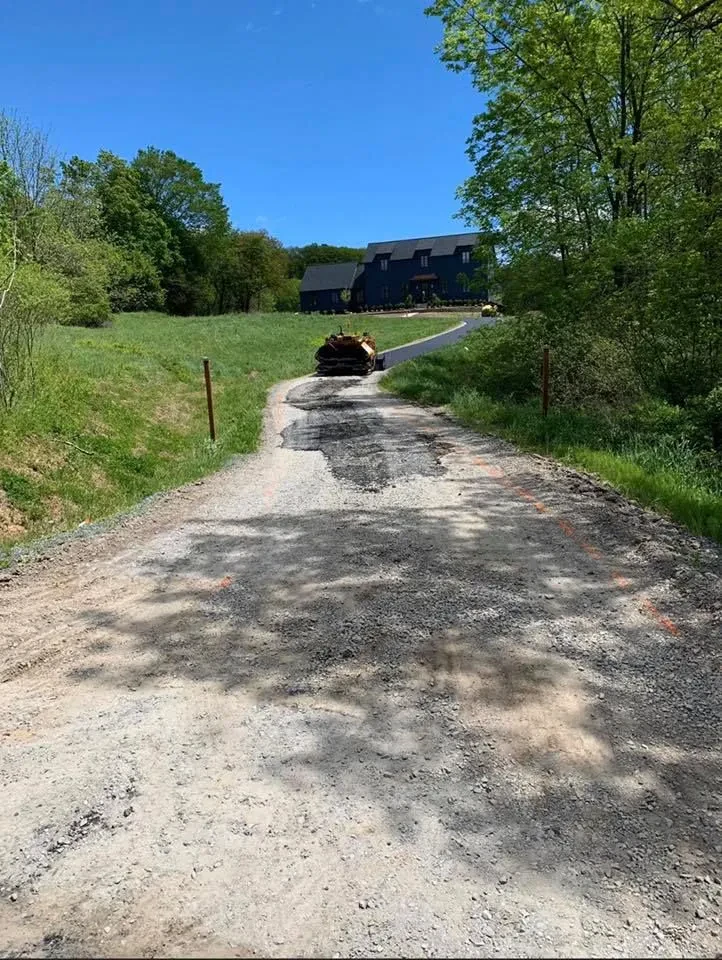
Properly installed asphalt in Athol typically lasts 20 to 30 years with appropriate maintenance. The key word is “properly installed.” Athol’s freeze-thaw cycles destroy asphalt that’s laid over inadequate foundations or poorly graded surfaces.
The lifespan depends on three main factors: base preparation, drainage, and maintenance. If the stone base isn’t deep enough or properly compacted, the asphalt will crack and fail within a few years. If water pools on the surface or seeps underneath, freeze-thaw damage accelerates. If you skip sealcoating and crack repairs, small problems become big ones.
We focus on the base work that most people never see but determines how long your pavement lasts. Proper excavation depth, quality aggregate, correct compaction, and grading that moves water away from the surface. That foundation work, combined with sealcoating every two to three years, gives you decades of service instead of constant repairs.
Late spring through early fall gives you the best conditions for asphalt paving in Athol. Installation requires temperatures above 50 degrees and dry weather for proper compaction and curing.
Summer and early fall are ideal because the ground is stable, temperatures are consistent, and you have longer weather windows. Spring can work once the ground thaws completely and temperatures stabilize, but you’re competing with everyone else who waited through winter. Fall installation before the first freeze gives the asphalt time to cure before winter stress hits.
Winter paving isn’t recommended in this climate. The asphalt won’t compact properly in cold temperatures, and you risk installation failures. That’s why we shift to excavation, foundation work, and land clearing during winter months—services that can be performed year-round. If you’re planning asphalt work, reach out in early spring to get on the schedule for optimal installation timing.
Residential driveways in the Athol area typically run $3 to $7 per square foot depending on site conditions, thickness requirements, and access for equipment. A standard two-car driveway usually costs $2,500 to $5,500 including proper base preparation.
Commercial parking lots average $2 to $4.50 per square foot for materials and installation. Larger projects may cost less per square foot due to economies of scale, while smaller lots or difficult access sites may cost more.
Several factors affect the final price: excavation requirements if you’re removing old pavement or working with unstable soil, drainage needs if water management systems are required, thickness of the asphalt based on expected traffic and use, and site access for heavy equipment. We provide detailed written estimates that break down all costs upfront. You know exactly what you’re paying for before work starts, with no hidden fees or surprise charges after the project begins. The focus is on competitive pricing for quality work, not the cheapest bid that cuts corners on base preparation.
Yes, sealcoating is essential maintenance for asphalt in Athol’s climate. It should be done every two to three years after your asphalt has cured for several months to a year following installation.
Sealcoating creates a protective barrier against UV radiation, water penetration, and chemical damage from vehicle fluids and road salt. In Athol, where winter salt use is heavy and freeze-thaw cycles are constant, that protection significantly extends your pavement’s life. Without sealcoating, asphalt oxidizes and becomes brittle, cracks form and expand, and water seeps into the base causing structural failure.
The cost of sealcoating is minor compared to the cost of premature replacement. Most residential driveways can be sealcoated for a few hundred dollars every few years. Skipping this maintenance might save money short-term, but it leads to thousands in repair or replacement costs down the road. We can handle sealcoating along with crack filling and other preventive maintenance to keep your asphalt performing well through its full lifespan.
You can typically drive on new asphalt within 24 to 48 hours after installation. Light vehicle traffic is fine during this period, but it’s best to wait a full week before parking heavy vehicles or making sharp turns that could damage the surface.
Asphalt continues curing for several months after installation, becoming harder and more durable over time. During the first few days, it’s more susceptible to impressions from concentrated weight or turning tires, especially in warm weather when the surface is softer.
For the first week, avoid parking in the same spot repeatedly, don’t turn your steering wheel while stationary on the new asphalt, and keep heavy equipment or loaded trucks off the surface. After that initial curing period, you can use your driveway or parking lot normally. Full curing takes several months to a year depending on weather conditions and the asphalt mix used, but normal use won’t damage properly installed pavement during that time.
Asphalt cracks primarily from three causes in Athol: poor base preparation, water infiltration, and freeze-thaw cycles. All three are connected and all three are preventable with proper installation and maintenance.
When the stone base isn’t deep enough or properly compacted, the asphalt flexes and cracks under vehicle weight and temperature changes. When water seeps into cracks or pooling areas, it expands when frozen and destroys the pavement from underneath. Athol’s climate makes this worse because freeze-thaw cycles happen repeatedly throughout winter and early spring.
Prevention starts with installation. Proper excavation depth, quality compacted aggregate base, and grading that moves water away from the surface. After installation, maintenance is key: fill small cracks immediately before water gets in, sealcoat every two to three years to protect the surface, and address drainage issues if water pools anywhere on the pavement. We handle both proper installation and ongoing maintenance to prevent the damage that leads to expensive repairs or premature replacement.
Other Services we provide in Athol