Asphalt paving company also offering concrete work, excavating, and snow removal services.
Contact Info
-
130 Co Rd 70
Stillwater, NY 12170 - Call: 518-935-3068
- Text: 518-935-3068
- Mon - Sun: 7am - 7pm
Contact Info
Hear From Our Clients
You’re tired of the same cracked sections failing every winter. You need asphalt work that actually handles what this region dishes out—brutal freeze-thaw cycles, heavy snow loads, and the kind of weather that destroys cheap installations.
When we pave your driveway or parking lot, you get proper base preparation, quality materials, and techniques designed for our local climate. No shortcuts that create expensive problems down the road.
Your investment should give you decades of reliable service, not constant repair bills. That’s exactly what happens when the work is done right from day one.
We’ve been serving Conklingville and the Great Sacandaga Lake area for over 25 years. We’re not a national chain or weekend warriors—we’re your neighbors who live and work right here.
Our owner handles every project personally, from your first call to final cleanup. You get direct communication, honest assessments, and work that reflects our reputation in this tight-knit community.
We understand what lakefront properties and seasonal homes demand. The unique drainage challenges, the access issues, the timing constraints—we’ve handled it all for homeowners and businesses throughout the region.
First, we assess your specific situation on-site. Every property around here is different, and cookie-cutter approaches fail fast in our climate. We examine drainage patterns, soil conditions, and what kind of traffic your surface will handle.
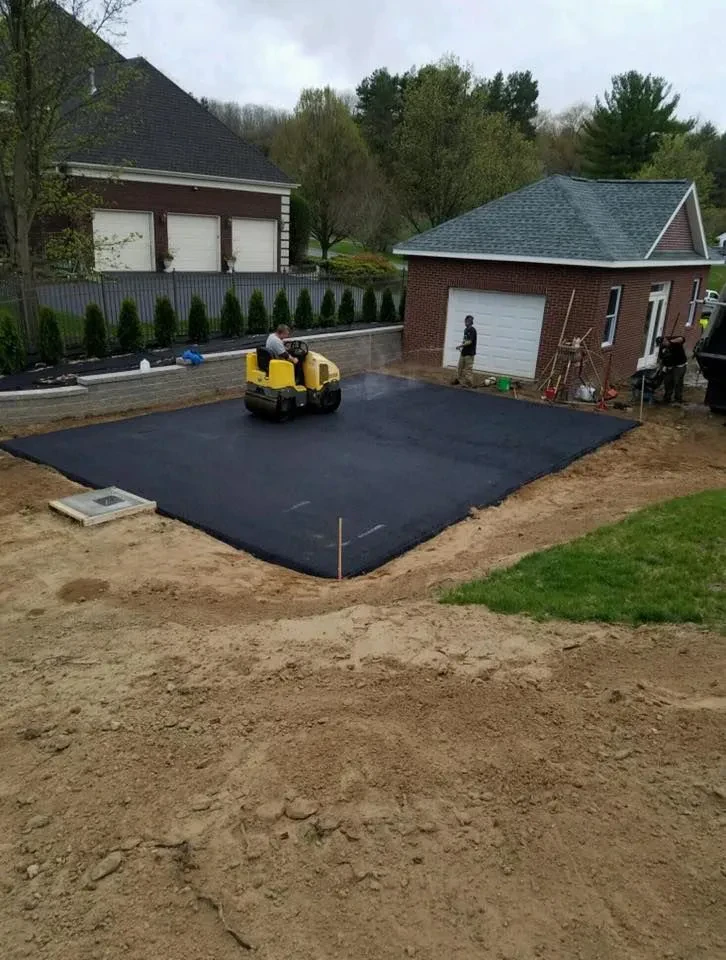
Next, we prepare the foundation properly. This means excavation to the right depth, proper grading for water runoff, and a compacted stone base that won’t shift when frost hits.
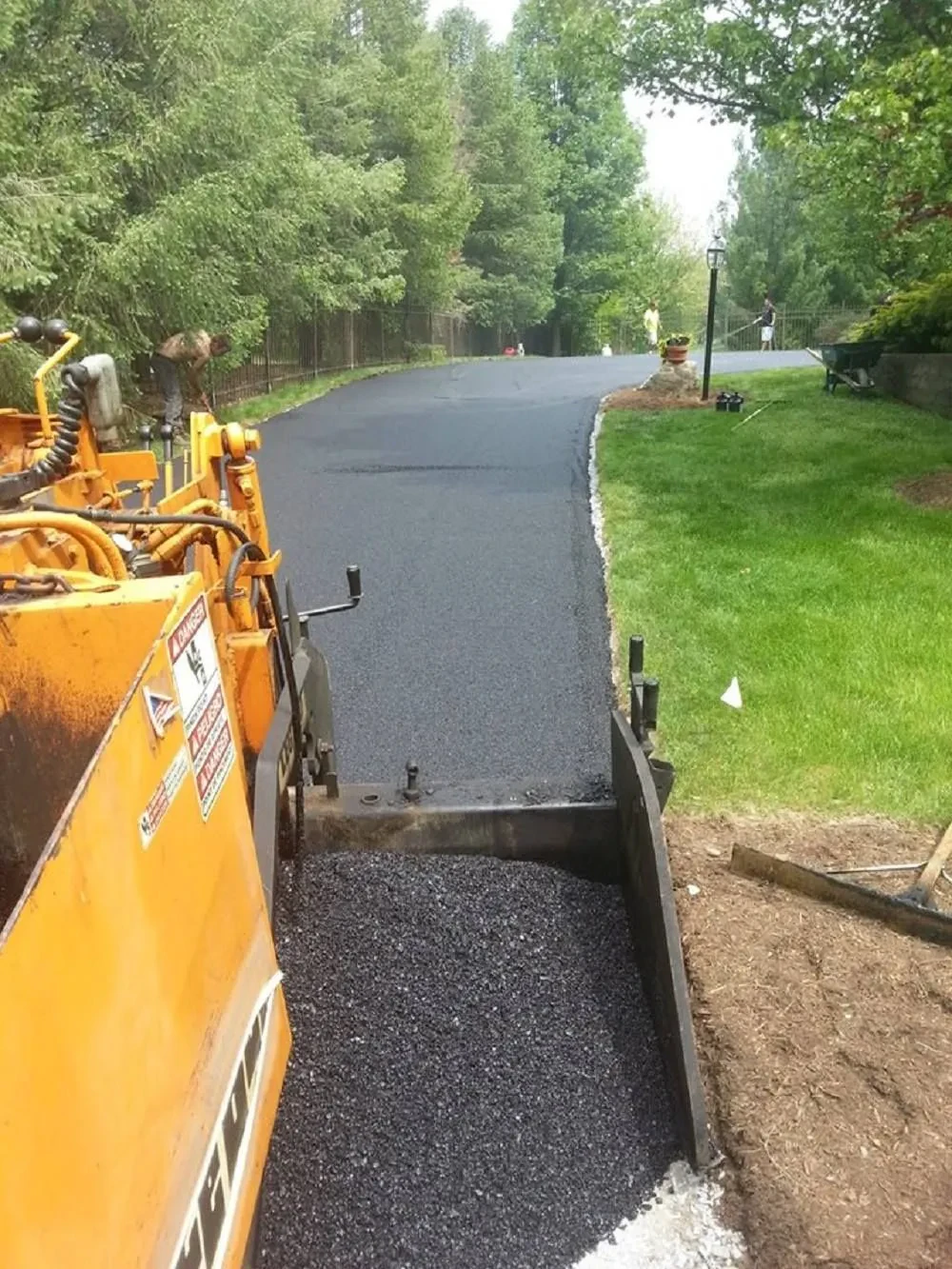
Then we install the asphalt using proven techniques and quality materials. We time the work for optimal weather conditions and ensure proper compaction. You’ll know exactly what’s happening at each step and why it matters for long-term performance.

Ready to get started?
We handle new asphalt driveways, parking lots, and private roads throughout the Sacandaga area. We also provide repairs, sealcoating, and emergency pothole fixes when you can’t wait for spring.
Around here, drainage isn’t optional—it’s survival. We design and install systems that move water away from your pavement before freeze-thaw cycles can destroy it. This attention to local conditions is what separates lasting installations from expensive mistakes.
During winter months, we shift to excavation and foundation work. This means year-round availability for your construction needs, whether it’s site prep for spring paving or emergency access repairs that can’t wait.
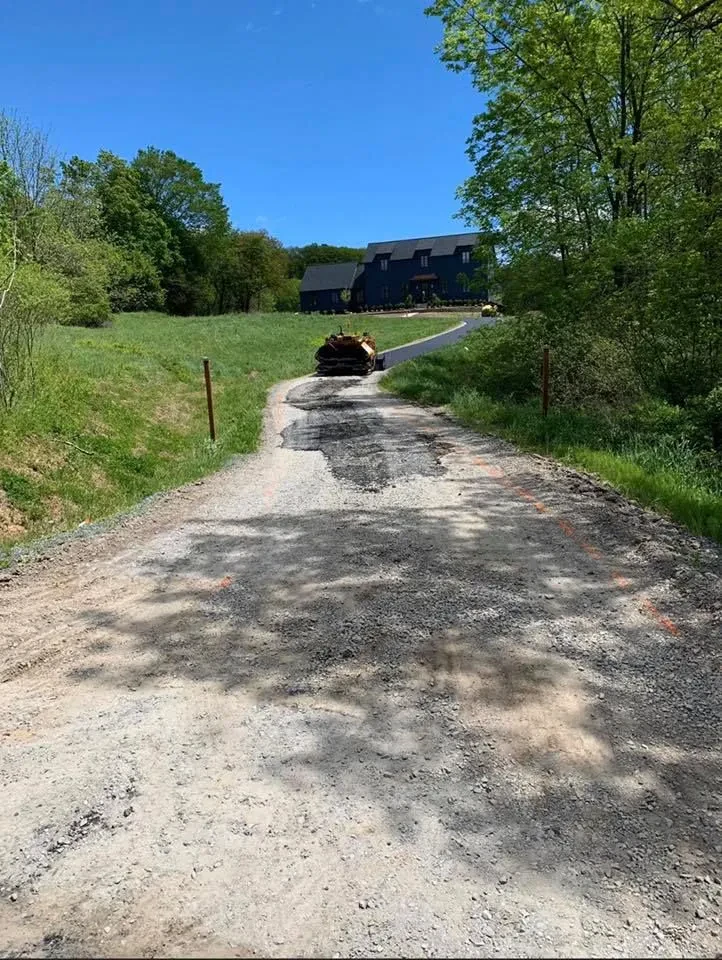
Properly installed asphalt should last 15-25 years in our climate, but installation quality makes all the difference. The freeze-thaw cycles here are relentless—water infiltrates small cracks, freezes, expands, and tears pavement apart.
Success starts with proper base preparation and installation techniques designed for our specific conditions. We excavate to adequate depth, install properly compacted stone bases, and ensure water moves away from the pavement. Cheap installations that skip these steps might look acceptable initially but fail within a few years.
Regular maintenance like crack sealing and periodic sealcoating extends life significantly. Most of our installations from the early 2000s are still performing well because they were built to handle what Mother Nature throws at them.
Hot mix asphalt requires specific temperature conditions—typically above 50 degrees for proper compaction and curing. During our winters, we handle emergency repairs using cold patch materials when safety demands immediate action.
The ideal paving season runs from late spring through early fall when conditions allow proper hot mix application and curing. We schedule most installations during these optimal months.
However, we handle excavation, base preparation, and site work year-round. Many customers have us prepare sites during winter, then complete asphalt installation when conditions are right. This approach often works better for scheduling and can reduce overall project costs.
Potholes start with water infiltration. When moisture penetrates small cracks and reaches the base material, it weakens the foundation. Traffic then causes chunks of asphalt to break away, creating the holes that damage vehicles and create liability issues.
Prevention starts with proper installation—adequate base thickness, correct compaction, and smart drainage design. Regular crack sealing stops water infiltration before it becomes a major problem.
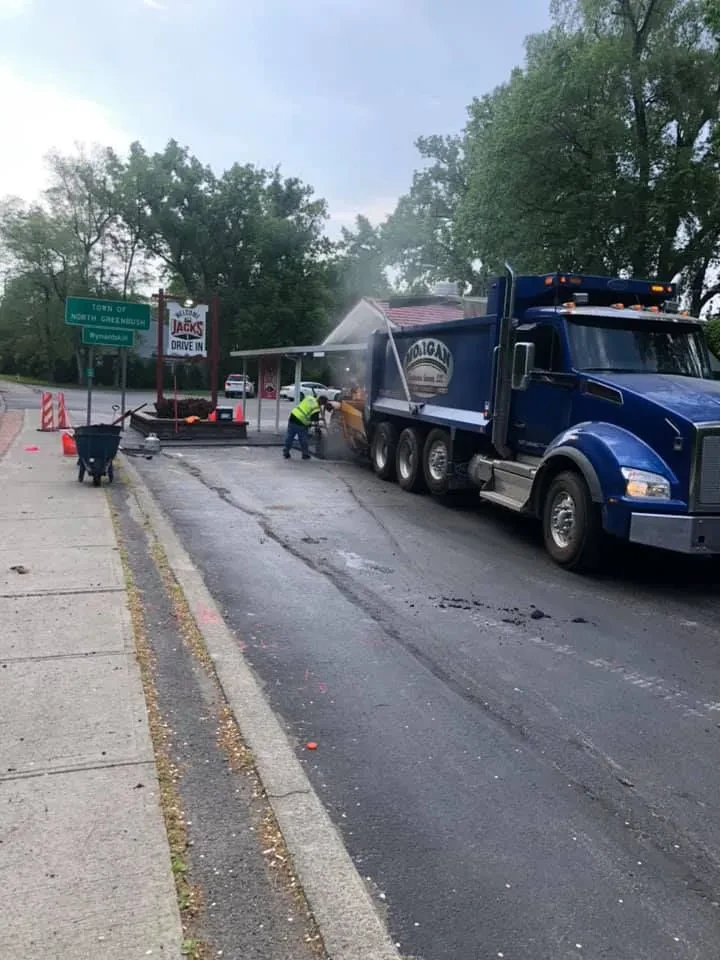
When potholes appear, permanent repair requires removing damaged material, addressing any base issues, and installing new asphalt with proper compaction and sealing. Temporary cold patch fixes might get you through winter, but lasting repairs need hot mix asphalt installed during appropriate weather conditions.
Most residential driveways in our area cost $5-9 per square foot, depending on site conditions, thickness requirements, and access challenges. A typical two-car driveway (24×40 feet) generally runs $5,000-8,500 installed.
Pricing factors include excavation needs, base preparation requirements, drainage considerations, and whether we’re replacing existing pavement or starting fresh. Steep grades, difficult access, or challenging soil conditions can affect costs.
We provide detailed written estimates breaking down materials, labor, and any additional work needed. No surprises or hidden fees—you’ll know exactly what you’re paying for and why. Every property is unique, so accurate pricing requires an on-site assessment.
Absolutely. We handle both residential and commercial asphalt work throughout the region. Commercial projects often require thicker asphalt sections, more robust base preparation, and specific drainage solutions based on expected traffic loads.
We’ve completed parking lots for local businesses, seasonal properties around the lake, and various commercial facilities. Each project gets the same owner involvement and attention to detail regardless of size.
Commercial work often has timing constraints—businesses need to minimize operational disruption. We work with you to schedule work during slower periods or break larger projects into phases that keep portions of your facility accessible throughout the process.
New asphalt needs 6-12 months to cure properly before the first sealcoating application. The asphalt must harden and release excess oils before sealcoat will adhere correctly and perform as intended.
After that initial application, sealcoating every 2-3 years protects against water infiltration, UV damage, and surface oxidation. In our climate, this maintenance schedule is crucial because of the intense freeze-thaw cycles.
We’ll advise you on proper timing when we complete your installation. Correct timing makes a huge difference in sealcoat performance and longevity. Rushing the process or using inferior materials defeats the purpose of protecting your investment.
Other Services we provide in Conklingville