Asphalt paving company also offering concrete work, excavating, and snow removal services.
Contact Info
-
130 Co Rd 70
Stillwater, NY 12170 - Call: 518-935-3068
- Text: 518-935-3068
- Mon - Sun: 7am - 7pm
Contact Info
Hear From Our Clients
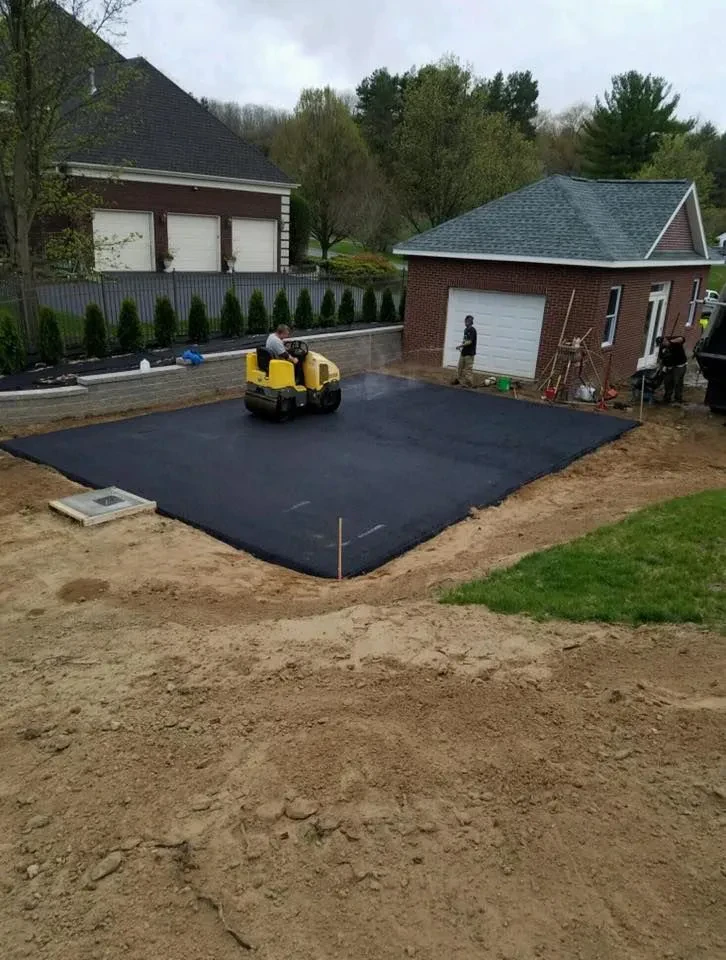
You get a smooth driveway that doesn’t crack after one winter. A parking lot that handles traffic without turning into a pothole minefield. Asphalt that looks clean, drains properly, and doesn’t need constant patching.
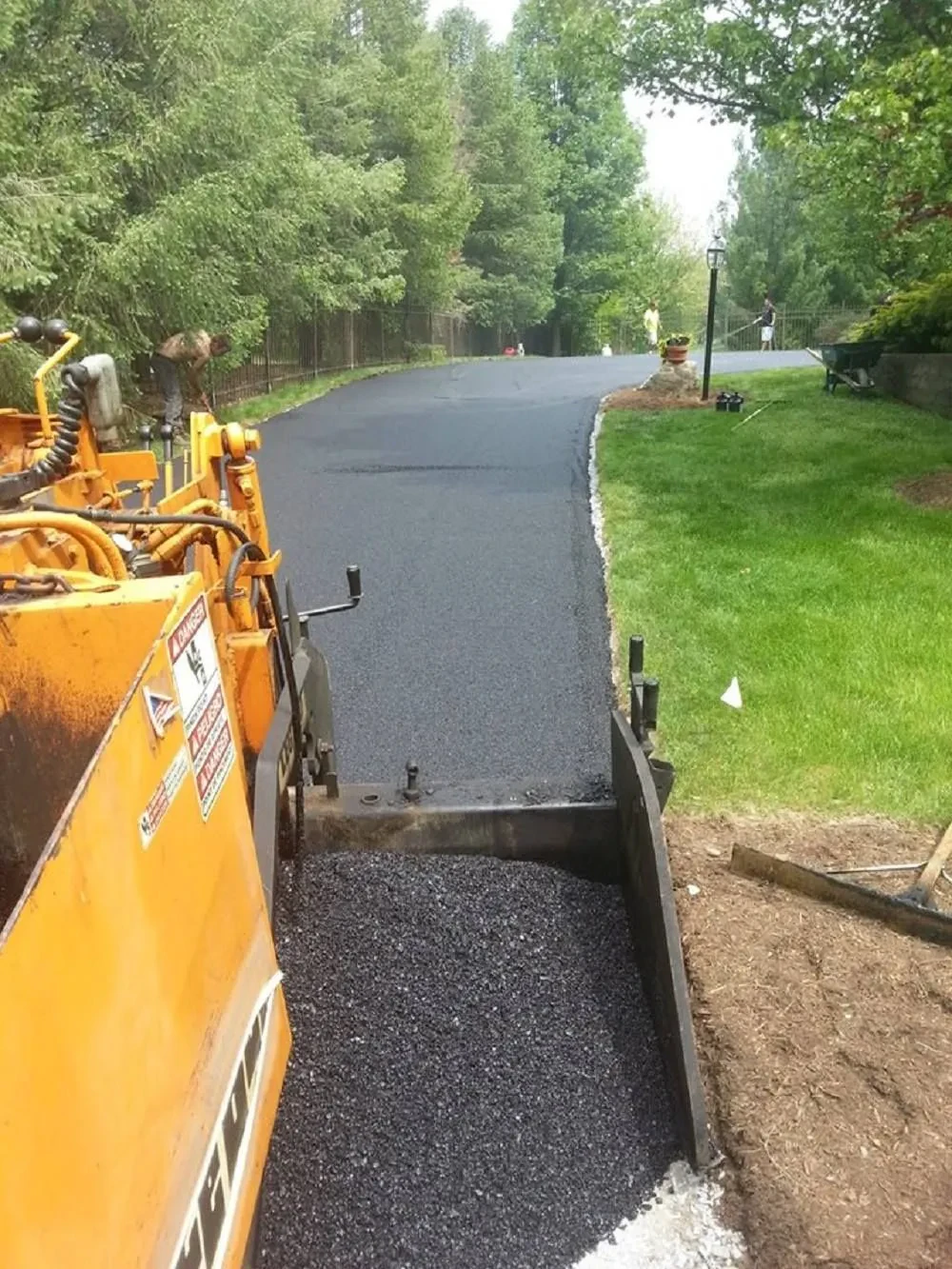
That’s what happens when the work is done right from the start. Proper base prep. The right thickness for your load. Attention to drainage so water goes where it’s supposed to.
You’re not calling someone back in six months because the edges are crumbling or the surface is already failing. You’re done. The asphalt holds up, your property looks maintained, and you move on with your life.
We’ve been handling asphalt paving, excavation, and foundation work in Fox Hill and the surrounding region for over 25 years. You’re working directly with the owner, not a sales team that disappears after you sign.
That means when you call, you get straight answers. When there’s a question on the job, the person who can actually make decisions is there. No phone tag, no miscommunication, no wondering if the crew knows what they’re doing.
Fox Hill winters are tough on asphalt. Freeze-thaw cycles, heavy snow, temperature swings—it all takes a toll. That’s why we do the work right the first time, with proper materials and methods that hold up in this climate.
First, you get an honest assessment. We come out, look at what you need, and tell you what makes sense. If your driveway needs full replacement, you’ll hear that. If it just needs resurfacing or repair, you’ll hear that too.
Once you decide to move forward, the site gets prepped correctly. That means proper grading for drainage, a solid base that won’t shift, and removal of any failed material. Skipping this step is how you end up with problems later.
Then the asphalt goes down at the right temperature, in the right thickness, compacted properly. The edges get finished clean. You’re told exactly when you can drive on it and what to expect as it cures.
After the job, you’re not left guessing. You know what maintenance to expect, when sealcoating makes sense, and how to get the most life out of your asphalt. Straightforward information, no upselling.

Ready to get started?
We handle asphalt driveways, parking lots, and paving work for residential and commercial properties in Fox Hill. You also get excavation and foundation services, which matters when you need site prep or year-round work capability.
In Fox Hill, the paving season typically runs from late spring through fall when temperatures stay above 50°F. That’s when asphalt cures properly and compacts the way it should. But unlike paving contractors who disappear in winter, we shift to foundation work, excavation, and land clearing during the off-season.
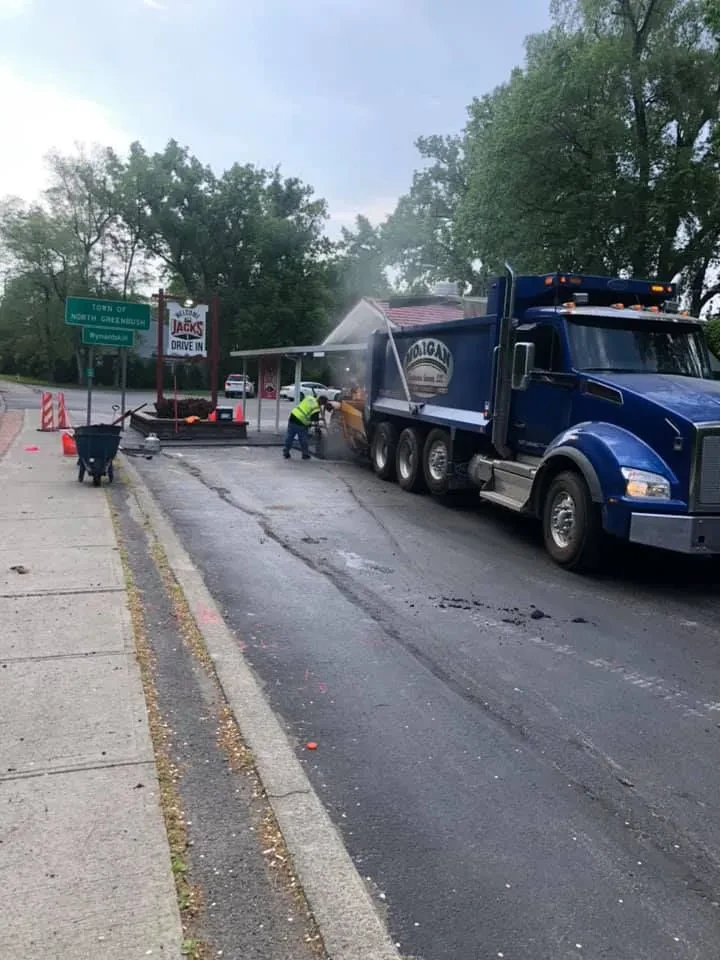
That year-round availability means you’re not stuck waiting months for a callback. Emergency response is available when you have urgent issues—a failing driveway apron, a parking lot safety hazard, or site work that can’t wait.
The focus is on competitive pricing without the games. You get a clear quote based on what the job actually requires, not what a sales script says to charge. We’re involved from your first call through the final cleanup, so there’s accountability at every step. Whether you need a residential driveway paved or a commercial parking lot resurfaced, the approach stays the same: quality work, honest communication, and results that last.
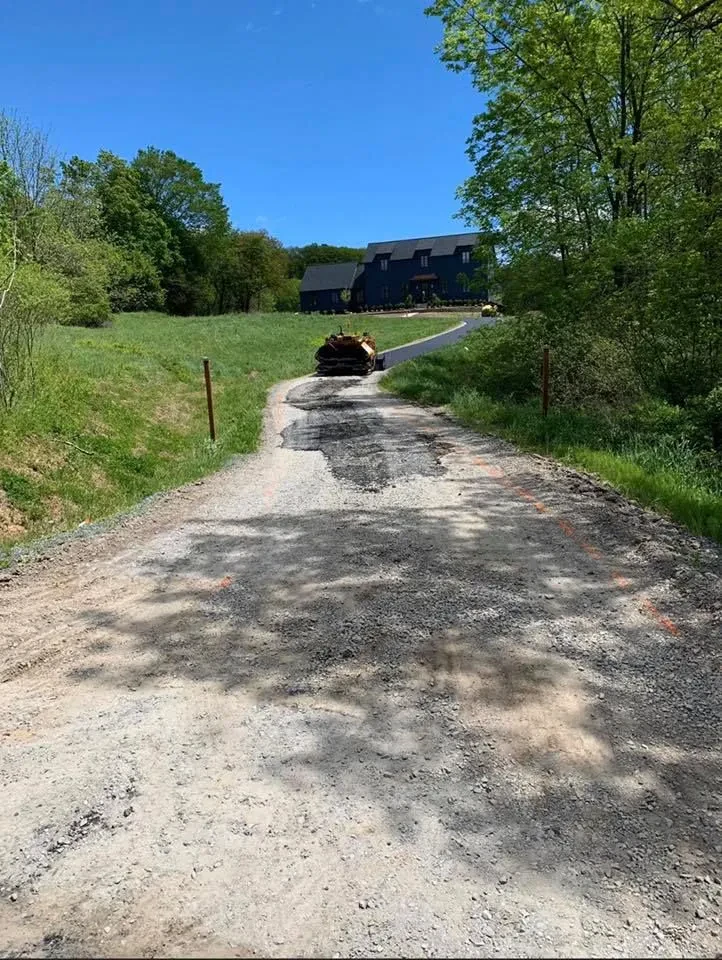
A properly installed asphalt driveway in Fox Hill typically lasts 15 to 30 years, depending on how well it’s maintained and how much traffic it sees. The key word is “properly installed.”
If the base isn’t prepared correctly, if drainage isn’t addressed, or if the asphalt is laid too thin, you’ll see problems much sooner. New York winters are hard on asphalt—freeze-thaw cycles cause water to expand in cracks, which makes small issues turn into big ones fast.
Maintenance extends the life significantly. Sealcoating every 2 to 3 years protects against UV damage, water intrusion, and oxidation. Filling cracks when they’re small prevents them from spreading. Keeping the surface clean and addressing drainage issues before they cause damage also helps. With the right installation and regular upkeep, your driveway can easily hit that 20 to 30 year mark without major repairs.
Repair means fixing specific problem areas—patching potholes, filling cracks, or replacing small damaged sections. It’s the right call when most of your asphalt is still in good shape but has isolated issues. Repairs are less expensive and less disruptive than full resurfacing.
Resurfacing means adding a new layer of asphalt over the existing surface, typically 1.5 to 2 inches thick. It makes sense when your driveway or parking lot has widespread surface damage—lots of small cracks, fading, minor deterioration—but the base underneath is still solid. Resurfacing gives you a fresh surface and extends the life by another 8 to 15 years.
If more than 25 to 30 percent of your asphalt is damaged, or if the base has failed and you’re seeing sinking or major structural issues, you’re usually looking at full replacement instead of resurfacing. That’s when the entire surface gets removed and rebuilt from the ground up. An honest asphalt contractor will tell you which approach actually makes sense for your situation, not just which one costs more.
Late spring through early fall is the best window for asphalt paving work in Fox Hill. Asphalt needs temperatures consistently above 50°F to cure properly and compact the way it should. That typically means May through October, depending on the weather that year.
If it’s too cold, the asphalt cools too quickly and doesn’t bond correctly. If it’s too hot—mid-summer heat waves—the surface can stay soft longer than ideal, which affects when you can use it. The sweet spot is mild, dry weather without temperature extremes.
That said, emergency repairs sometimes can’t wait for perfect conditions. Cold-patch asphalt exists for temporary fixes in winter, though it’s not as durable as hot-mix asphalt laid in proper conditions. For planned driveway paving or parking lot projects, scheduling during the main paving season gives you the best long-term results and the most reliable curing process.
You can typically drive on new asphalt after 24 to 48 hours, but you should avoid parking in the same spot or making sharp turns for about a week. The asphalt needs time to fully cure and harden.
In hot weather, wait a bit longer—3 to 5 days if possible—before putting heavy vehicles on it. Heat keeps asphalt softer, which means it’s more prone to tire marks and depressions if you park on it too soon. Light traffic is fine, but don’t leave cars sitting in one place.
The full curing process takes about 6 to 12 months, though the surface is usable much sooner. During that first year, avoid extremely heavy loads if possible, and be careful with things like motorcycle kickstands or trailer jacks that concentrate weight in small areas. After the asphalt fully hardens, it’ll handle normal residential or commercial use without issue.
Most asphalt failures come down to water and poor base preparation. Water is the enemy. When it seeps into cracks or gets under the asphalt, it weakens the base. In Fox Hill’s freeze-thaw climate, that water expands when it freezes, making cracks worse every winter.
Poor drainage accelerates the problem. If water pools on your driveway or doesn’t run off properly, it’s constantly working its way into the asphalt. A solid base that’s properly compacted and graded prevents this. The base needs to be stable and well-drained, or everything above it will eventually fail.
Other common causes include asphalt that’s too thin for the load it’s carrying, edges that weren’t properly supported, or skipping maintenance like sealcoating. Tree roots growing underneath, heavy vehicles repeatedly using the same path, and using the wrong materials for the climate also contribute. UV rays break down the asphalt binder over time if the surface isn’t sealed. Proper installation by an experienced asphalt contractor and regular maintenance prevent most of these issues.
Look for a contractor who’s been in the area for years, not someone who just showed up offering leftover asphalt from another job. Check that they’re licensed, insured, and willing to provide references from local projects you can actually verify.
Ask how they handle base preparation and drainage—those details matter more than you’d think. A contractor who rushes past those questions or gives vague answers probably cuts corners. You want someone who explains the process clearly, discusses thickness options based on your actual usage, and doesn’t pressure you into add-ons you don’t need.
Get multiple quotes, but don’t automatically pick the lowest bid. If one estimate is significantly cheaper, find out why—it might mean thinner asphalt, skipped prep work, or lower-quality materials. A detailed written estimate that breaks down what’s included protects you from surprise charges later. And working with an owner-operated company means you’re dealing with the person actually responsible for the work, not a sales rep who disappears after you sign. That accountability makes a difference when issues come up or you have questions during the project.
Other Services we provide in Fox Hill