Asphalt paving company also offering concrete work, excavating, and snow removal services.
Contact Info
-
130 Co Rd 70
Stillwater, NY 12170 - Call: 518-935-3068
- Text: 518-935-3068
- Mon - Sun: 7am - 7pm
Contact Info
Hear From Our Clients
Your driveway or parking lot isn’t just paved—it’s built to handle Long Island winters, drainage issues, and years of traffic without falling apart in the first season. You’re not dealing with a different person every time you call. The owner picks up the phone, walks the site, and oversees your job from start to finish.
That means no surprises. No runaround. No waiting weeks for a callback that never comes.
You get a realistic timeline, a clear price, and work that’s done when we say it’ll be done. Whether it’s a residential driveway that needs proper grading or a commercial parking lot that can’t afford downtime, the job gets handled with the same level of attention. And if something comes up mid-project, you hear about it directly—no games, no excuses.
We’ve been serving Paradise Beach and the surrounding Nassau County area for over 25 years. The same owner who answers your call is the one managing your project. That’s how it’s been since day one, and that’s how it stays.
You’re working with someone who knows Long Island soil, understands how freeze-thaw cycles destroy poorly installed asphalt, and has seen every drainage problem this area can throw at a driveway. Experience like that doesn’t come from a training manual. It comes from decades of doing the work right and fixing the work others did wrong.
We handle residential and commercial projects year-round. Asphalt paving when the weather allows. Excavation and foundation work when it doesn’t. You’re not left hanging because the calendar says December.
It starts with a conversation, not a sales pitch. You call, the owner picks up, and you talk through what you need. If a site visit makes sense, that happens next. You get a clear look at what the job involves—grading, base prep, drainage solutions, asphalt thickness, timeline.
Then you get a price. Not a range. Not a “depends on what we find” setup. A real number based on what your project actually requires.
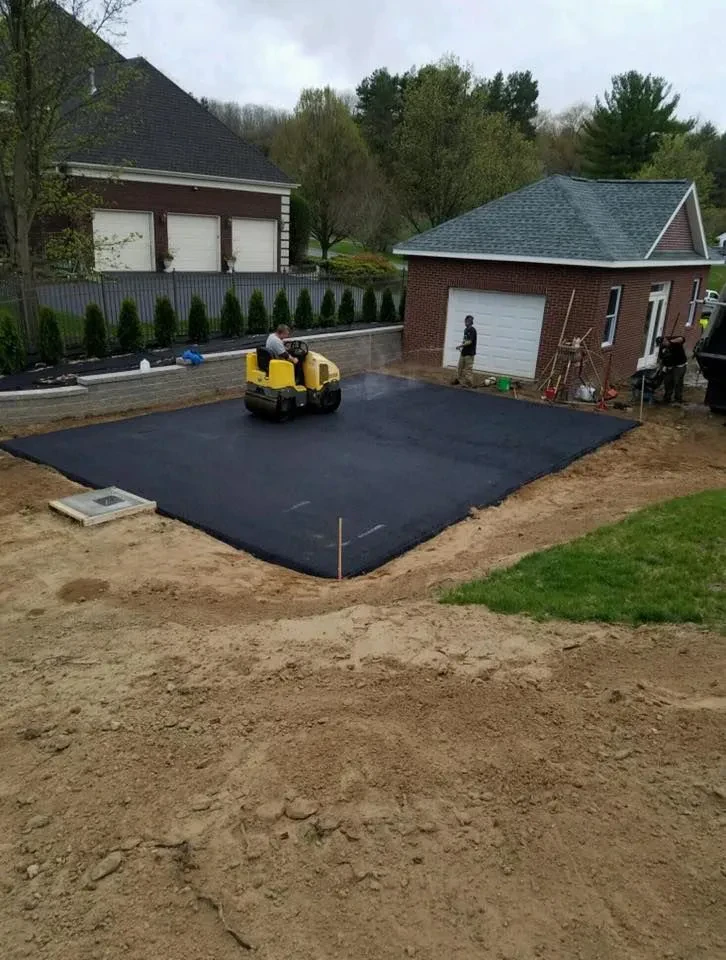
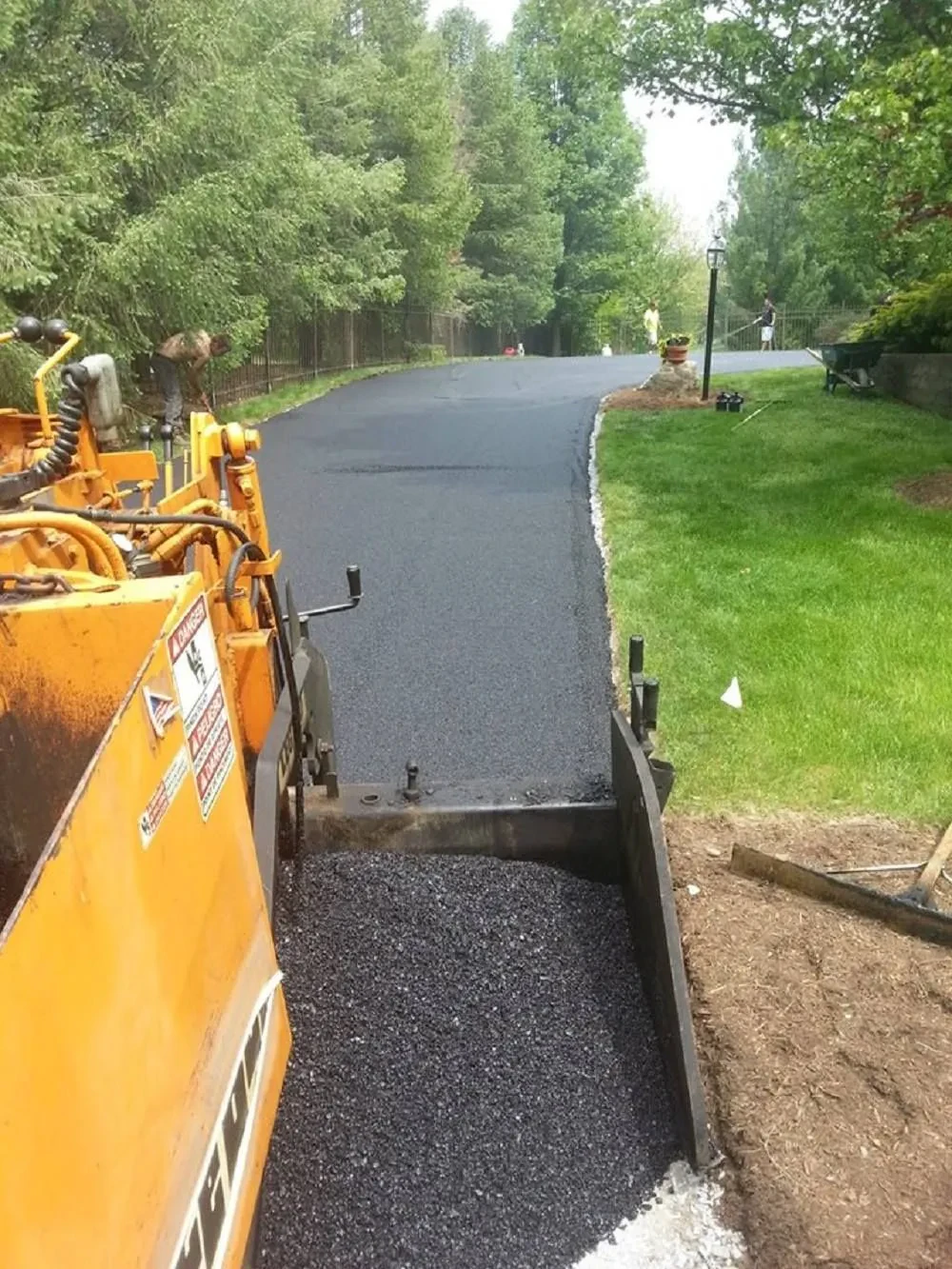
Once you’re ready to move forward, the schedule gets locked in. The crew shows up when they’re supposed to. The owner’s on-site managing the work. Base gets prepped properly—usually 4-8 inches of compacted gravel depending on whether it’s a residential driveway or commercial lot. Drainage gets handled so water flows away from your foundation and doesn’t pool on the surface. Asphalt goes down at the right temperature, gets compacted correctly with proper equipment, and cures without shortcuts.
You’re kept in the loop the whole time. If weather delays things, you know. If something unexpected comes up, you hear about it immediately. When the job’s done, you get a finished surface that’s built to last—not just built to look good for the first month.

Ready to get started?
Asphalt work in Paradise Beach isn’t just about laying down blacktop. It’s about dealing with Nassau County’s clay-heavy soil that shifts with moisture, managing water runoff so your driveway doesn’t turn into a pond every spring, and building a base that won’t heave when the ground freezes and thaws all winter.
We handle the full scope. Excavation and grading to establish proper pitch—typically 1-2% slope for residential driveways. Base preparation with crushed stone, compacted in lifts to prevent settling. Asphalt installation at 3-4 inches for residential driveways, thicker for commercial parking lots that see delivery trucks and heavy traffic. Everything gets laid and compacted while the asphalt is still between 275-300°F, which is critical for proper bonding and long-term durability.
For commercial properties in Paradise Beach, that means parking lots built to handle daily traffic, ADA-compliant striping, proper drainage to prevent standing water, and repairs scheduled to minimize business disruption. For residential clients, it means driveways that don’t crack apart after one winter, smooth transitions to the street that won’t scrape your car, and grading that directs water away from your foundation instead of toward it.
Nassau County has specific requirements for curb cuts, drainage connections, and setbacks. We know them. You’re not learning about code violations after the work’s already done. You’re getting a project that’s compliant from day one.
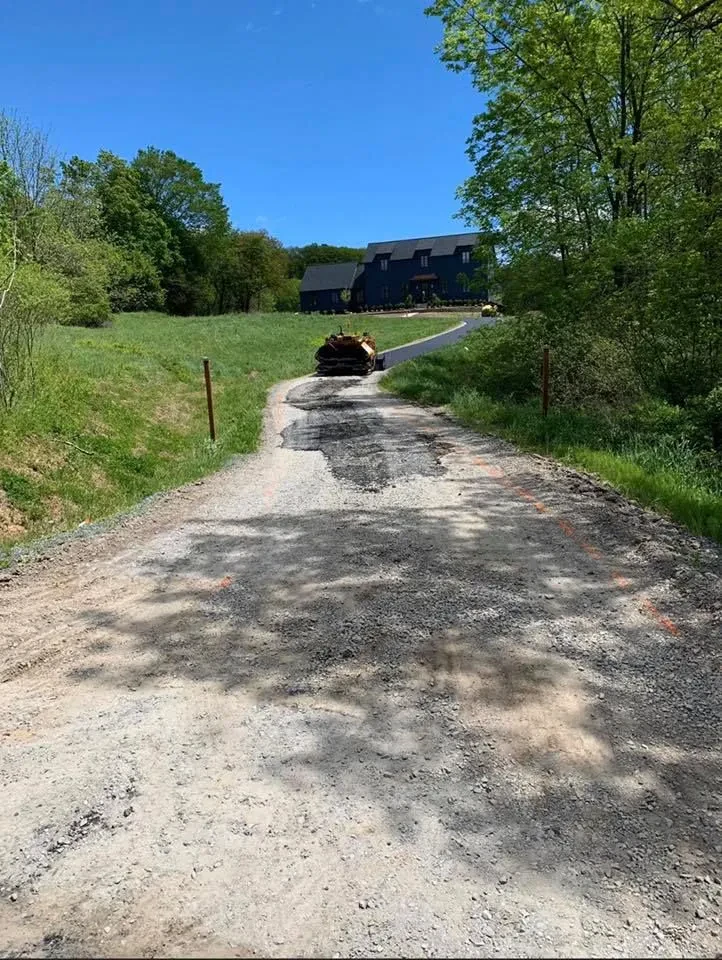
Asphalt paving in Paradise Beach typically runs between $5 and $12 per square foot, depending on the scope of work. That includes excavation, base preparation, and asphalt installation. A standard two-car driveway—roughly 20 feet by 40 feet—usually falls somewhere between $5,000 and $8,800, but the actual price depends on your specific site conditions.
If your property has drainage issues, needs significant grading, or requires removal of old concrete or asphalt, that affects the total. Same goes for thickness—residential driveways typically use 3-4 inches of asphalt, while commercial parking lots often need 5-6 inches to handle heavier loads from delivery trucks and constant traffic.
We provide straightforward pricing based on what your project actually requires. You get a clear number upfront, not an estimate that changes once work starts. The price reflects proper preparation, quality materials, and work that lasts—not shortcuts that save money now but cost you more in repairs two years down the road.
Most residential driveways in Paradise Beach take 1-3 days from start to finish, depending on size and site conditions. That includes excavation, base prep, and asphalt installation. A straightforward overlay on an existing driveway in good condition might be done in a day. A full replacement with drainage work and significant grading takes longer. Larger commercial parking lots can take a week or more, especially if the project involves phased work to keep parts of the lot accessible during construction.
Weather plays a role. Asphalt needs to be installed at the right temperature and requires decent conditions to cure properly. If rain’s in the forecast or temperatures drop below 50°F, the schedule shifts. You’ll know about delays before they happen, not after you’re already expecting a crew.
Once the asphalt is down, you typically need to stay off it for 24-48 hours before driving on it. Full curing takes longer—about 6-12 months—but you can use the surface normally after that initial waiting period. We give you a realistic timeline based on your specific project, not generic estimates that never match reality.
Asphalt paving in Paradise Beach is best done when temperatures consistently stay above 50°F during the day, which typically means April through October on Long Island. Cold weather makes it harder for asphalt to reach and maintain the right temperature during installation and compaction. If the asphalt cools too quickly—which happens fast when you’re laying hot mix on frozen ground—it doesn’t compact properly, and you end up with a surface that fails prematurely.
That said, we operate year-round. When paving isn’t an option, the focus shifts to excavation, foundation work, and land clearing. If you need sitework done in December, you’re not stuck waiting until spring. The equipment doesn’t sit idle, and you’re not left without options for winter projects.
For emergency asphalt repairs that can’t wait—like a pothole that’s tearing up your customers’ cars or a safety hazard in your parking lot—work is possible even in colder months, but it requires special techniques, heated materials, and careful temperature management. The owner will tell you straight whether the work should happen now or wait for better conditions. You’re not getting sold on a job that’s going to fail in three months just because someone wants to keep the schedule full.
An asphalt overlay means installing a new 2-inch layer of asphalt over your existing driveway or parking lot. It’s less expensive—typically $3-7 per square foot in Paradise Beach—because you’re not removing the old surface or redoing the base. It works if your current asphalt is in decent shape with minor surface wear, some weathering, but no major structural problems like alligatoring, deep cracks, or base failure.
Full replacement means tearing out the old asphalt down to the base, addressing any drainage or soil issues, rebuilding the stone base if necessary, and installing 3-4 inches of new asphalt. It costs more upfront—usually $7-12 per square foot—but it’s the right move when your driveway has serious cracks, standing water, a sinking base, or damage from tree roots. Putting an overlay on top of a failing foundation just delays the inevitable and wastes your money. You’ll be replacing it anyway in a couple years.
We’ll tell you which approach makes sense for your specific situation. If an overlay will give you another 10-15 years of solid performance, that’s what you’ll hear. If your driveway needs full replacement because the base is compromised or drainage is causing ongoing damage, you’ll hear that too. The recommendation is based on what actually works long-term, not what’s easier to sell or faster to install.
Asphalt driveways in Paradise Beach need sealcoating every 2-3 years to protect against Long Island’s freeze-thaw cycles, UV damage from summer sun, and salt exposure from winter road treatment. Sealcoating isn’t optional if you want your driveway to last. It’s the difference between 15-20 years of life and having to replace everything in 8-10 years because the surface oxidized, cracked, and let water destroy the base.
Beyond sealcoating, fix cracks as soon as you notice them. Small cracks let water penetrate below the surface. When that water freezes and expands during Nassau County’s winter freeze-thaw cycles, small cracks become major structural damage. Addressing them early with crack filler costs a fraction of what you’ll spend on full-depth patching or replacement later.
Keep your driveway clean. Oil, gasoline, and other petroleum products break down the asphalt binder. If you spill something, clean it up quickly. In winter, use sand or calcium magnesium acetate for traction instead of rock salt—traditional salt accelerates surface deterioration and creates more cracks. Avoid parking heavy vehicles in the same spot repeatedly, especially during hot summer months when asphalt is softer. We can handle sealcoating and crack repair when you need it, or just give you straight advice on what to watch for so your driveway lasts as long as possible.
Permit requirements in Paradise Beach and Nassau County depend on the scope of work and where your property is located. Simple resurfacing or overlay projects on existing driveways often don’t require permits, but new driveway installation, changes to curb cuts, expansion of paved areas, or work that affects stormwater drainage typically does. Commercial projects almost always involve permits, especially if you’re altering traffic patterns, adding parking spaces, or changing site drainage.
Nassau County has specific regulations about driveway width, setbacks from property lines, maximum impervious surface coverage, drainage connections, and how driveways tie into public streets. Some areas also have homeowner association requirements on top of municipal codes. Doing the work without proper permits can lead to stop-work orders, fines, and requirements to remove what you just paid thousands to install. It’s not worth the risk.
We know the local requirements and handle permit coordination when needed. You’re not figuring out Town of Hempstead or Nassau County codes on your own or discovering compliance issues after the work is done. The project gets done right from a regulatory standpoint, not just a construction standpoint. If permits are required, they’re pulled before work starts. If they’re not, you’ll know that too—with confidence, not guesswork.
Other Services we provide in Paradise Beach