Asphalt paving company also offering concrete work, excavating, and snow removal services.
Contact Info
-
130 Co Rd 70
Stillwater, NY 12170 - Call: 518-935-3068
- Text: 518-935-3068
- Mon - Sun: 7am - 7pm
Contact Info
Hear From Our Clients
Your driveway or parking lot takes a beating every winter. Freeze-thaw cycles crack the surface, water seeps in, and before you know it, you’re patching potholes or dealing with drainage problems that should’ve been handled right the first time.
Proper asphalt work means you’re not calling someone back in two years. It means water drains where it should, the base is compacted correctly, and the surface holds up to snow plows, heavy vehicles, and temperature swings that go from 10 degrees to 70 in the same week.
When asphalt is installed with the right materials and actual attention to grading and drainage, you get decades of use instead of a temporary fix. That’s the difference between doing it right and doing it over.
We’ve been handling asphalt paving, excavation, and foundation work across Saratoga County for over 25 years. You’re not dealing with a sales team or a call center. You talk directly to the owner, from your first call to the day our crew finishes.
This area’s soil conditions and winter weather demand more than standard paving techniques. Projects here need proper base preparation and drainage solutions that account for freeze-thaw cycles and heavy seasonal moisture. That’s not something you learn from a manual—it comes from years of working in this region.
Our focus is straightforward: competitive pricing, clear communication, and work that holds up. No gimmicks, no disappearing after the deposit clears, no surprise charges when the job’s done.
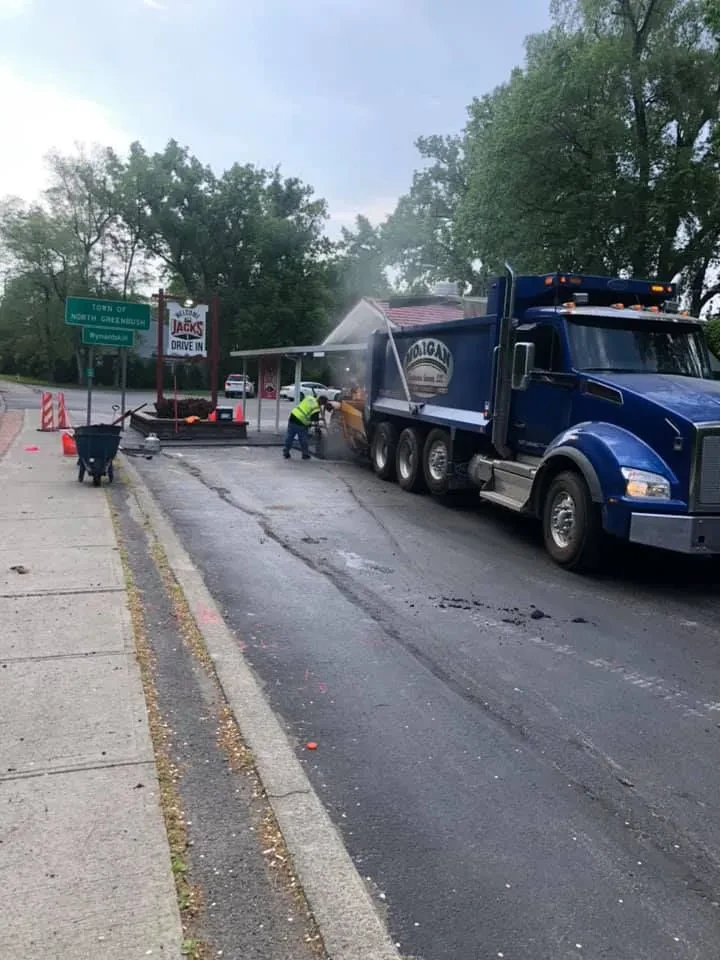
Every asphalt job starts with looking at what you actually need. That means evaluating the existing surface, checking drainage, and understanding how the space gets used. A residential driveway doesn’t get prepped the same way as a commercial parking lot that sees delivery trucks daily.
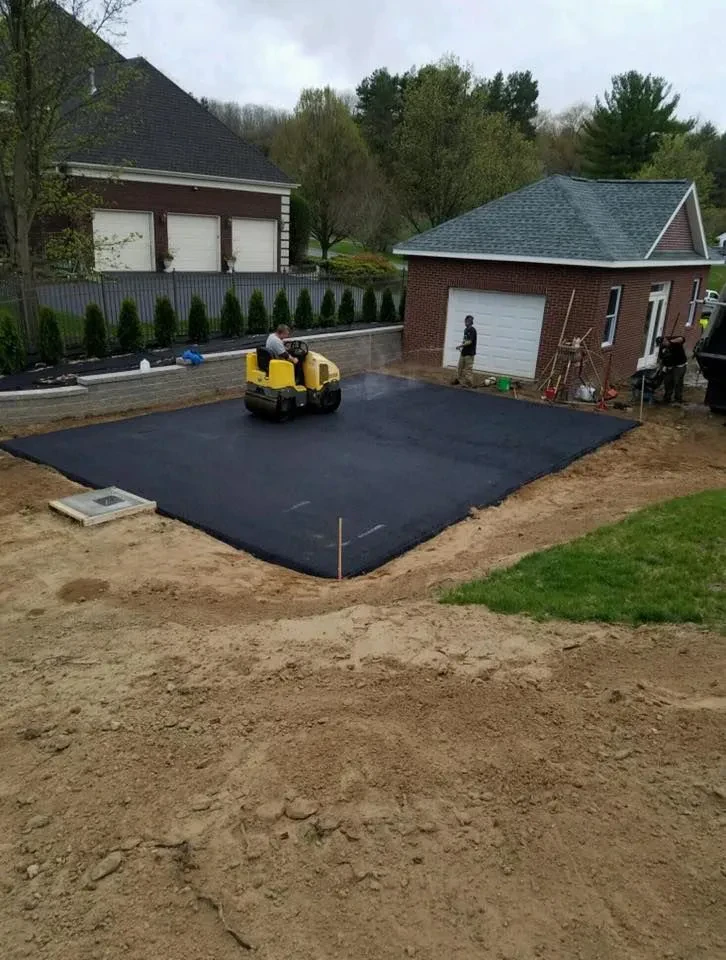
Next comes site preparation. If the base isn’t right, nothing else matters. The existing material gets removed to the proper depth, the subbase is graded for drainage, and aggregate base is installed and compacted in layers. Shortcuts here cost you years of pavement life.
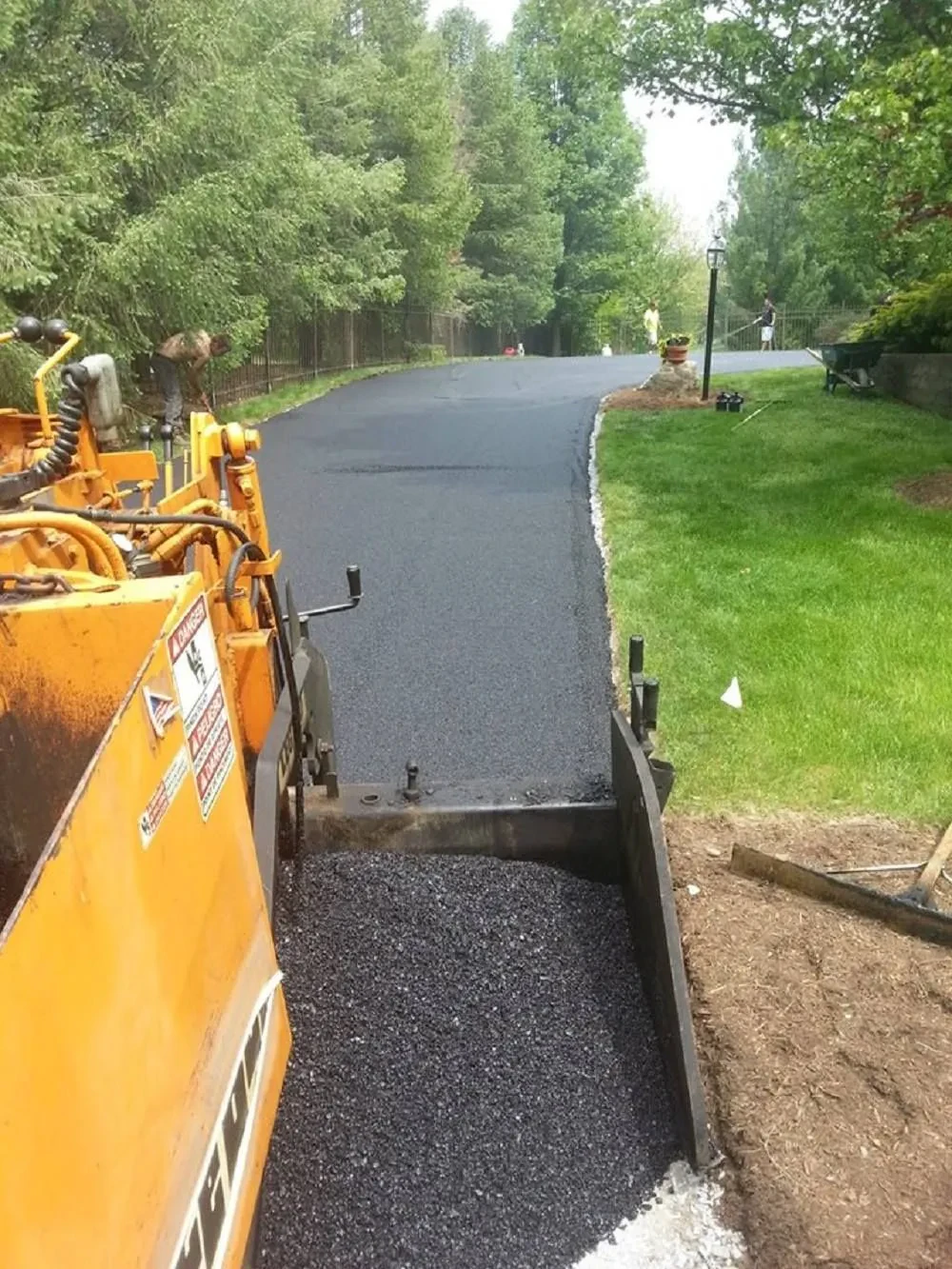
Once the base is solid and properly graded, hot asphalt gets installed to the specified thickness and compacted while it’s still workable. Edges are clean, transitions are smooth, and drainage flows away from structures. The timeline depends on the project size, but you’ll know the schedule upfront—not three weeks in when you’re wondering why no one’s shown up.
For projects that need excavation or foundation work, we coordinate that as part of the same process. Winter months shift to foundation and land clearing work when paving season winds down, so there’s year-round availability depending on what you need done.

Ready to get started?
Our asphalt paving covers residential driveways, commercial parking lots, roadways, and anywhere you need a durable surface that handles vehicle traffic and weather. Each project includes proper site evaluation, base preparation, grading for drainage, and installation using quality materials.
Ruback Camp sits in Saratoga County, where winter conditions are harsh and properties deal with significant freeze-thaw cycles. Asphalt installed here needs a properly compacted base, correct thickness for the expected load, and grading that moves water away from the surface. Poor drainage is the number one reason asphalt fails early—water gets into cracks, freezes, expands, and breaks the pavement apart.
Commercial projects often need parking lot striping, ADA-compliant layouts, and surfaces built to handle heavier loads. Residential driveways need proper pitch, clean transitions to the street, and edges that won’t crumble under snow removal equipment. Both need a contractor who understands local conditions and doesn’t cut corners on base prep.
You also get direct access to the owner throughout the project. Questions get answered, timelines are clear, and if something needs adjusting, you’re talking to the person who can actually make decisions. That’s how projects stay on track and get done right.
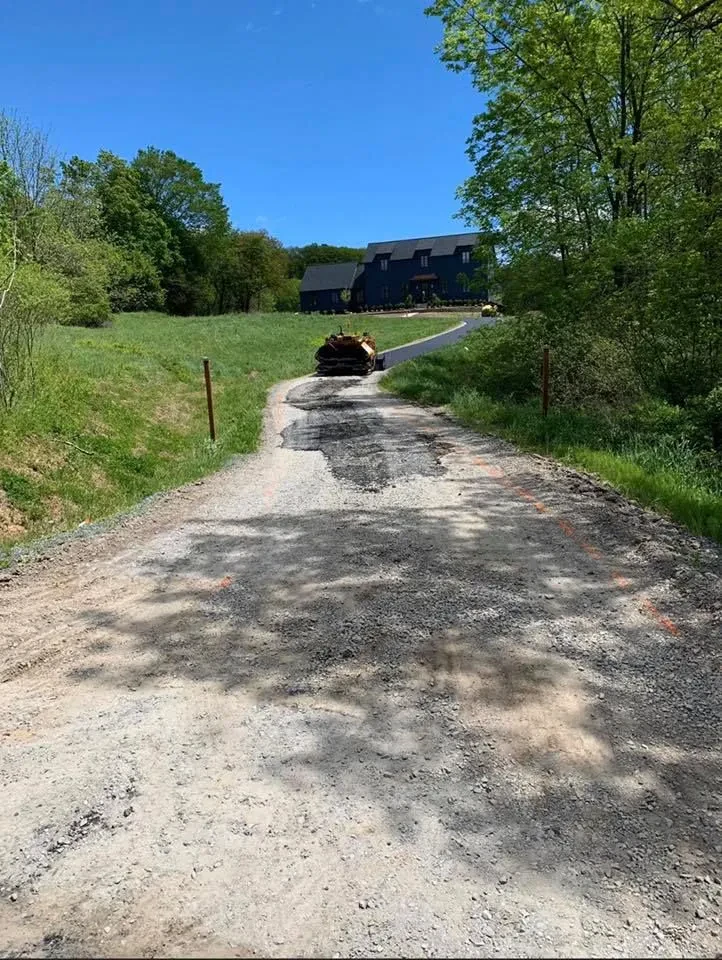
With proper installation and maintenance, asphalt can last 20 years or more in upstate New York. The key factors are base preparation, drainage, and how well the surface is maintained over time.
The base needs to be properly compacted and graded so water drains away from the pavement. If water pools on the surface or seeps into the base layer, freeze-thaw cycles will crack and break apart the asphalt within a few years. That’s why proper grading and a solid aggregate base matter more than the asphalt thickness itself.
Maintenance extends the life significantly. Sealcoating every few years protects against UV damage and water penetration. Filling cracks before they spread prevents water from getting underneath. Addressing drainage issues as soon as they appear stops small problems from becoming expensive failures. Asphalt that’s installed correctly and maintained will outlast cheaper work by a decade or more.
Asphalt repair works when the base is still solid and only the surface layer is damaged. Full replacement is necessary when the base has failed or the pavement has deteriorated beyond what patching can fix.
Repair typically involves patching potholes, filling cracks, or resurfacing the top layer. If you’re seeing isolated damage—a few cracks, some surface wear, minor potholes—repair usually makes sense and costs significantly less than replacement. Resurfacing adds a new asphalt layer over the existing surface after milling off the damaged top layer.
Replacement becomes necessary when you’ve got widespread cracking, significant settling, or drainage problems that indicate base failure. If water is pooling, the pavement is sinking in sections, or cracks are spreading across the entire surface, the base has likely failed and needs to be rebuilt. At that point, patching is just throwing money away—you need to remove everything down to the subgrade, rebuild the base properly, and install new asphalt.
Asphalt installation requires warm temperatures—generally above 50 degrees consistently—for the material to compact properly and cure. That makes late fall through early spring difficult for paving work in this area.
Cold temperatures cause asphalt to cool too quickly during installation, which prevents proper compaction. If the material doesn’t compact correctly, the pavement will be weak, prone to cracking, and won’t last. Ground temperature matters too—if the base is frozen or too cold, the asphalt won’t bond properly to the surface underneath.
The paving season here typically runs from late spring through mid-fall when temperatures are consistently warm. Emergency repairs can sometimes be done in colder weather using specialized cold-patch materials, but those are temporary fixes until proper hot asphalt can be installed. If you need work done during winter months, we can handle excavation and foundation projects year-round, and we’ll schedule paving once temperatures allow.
Asphalt paving costs vary based on project size, site conditions, base preparation needs, and the thickness required. A residential driveway typically runs differently than a commercial parking lot, and every site has unique factors that affect pricing.
Base preparation is often the biggest cost driver. If the existing base is in good shape and just needs minor grading, costs stay lower. If the base has failed and needs complete removal and rebuilding, costs increase significantly. Drainage issues, difficult access, and the amount of excavation required all factor into the final price.
The best approach is getting a detailed estimate that breaks down what’s included—excavation depth, base material and thickness, asphalt thickness, grading work, and any drainage improvements. Vague estimates that just give a price per square foot often hide costs that show up later as “extras.” You want transparent pricing upfront that accounts for the actual work your site needs, not a lowball number that gets adjusted once the job starts.
Asphalt cracks for several reasons, but the most common causes are water infiltration, poor base preparation, and freeze-thaw cycles. Preventing cracks starts with proper installation and continues with regular maintenance.
Water is the main enemy. When water seeps through the surface and gets into the base layer, it weakens the foundation. In winter, that water freezes and expands, pushing the asphalt apart and creating cracks. Once cracks start, more water gets in and the problem accelerates. Proper drainage and a well-compacted base prevent most of this, but sealcoating every few years adds another layer of protection.
Poor base preparation causes premature cracking too. If the base isn’t compacted properly or the wrong materials are used, the pavement will settle unevenly and crack under load. Heavy vehicles, tree roots, and ground movement can also cause cracking, but a properly installed base minimizes these issues. Catching small cracks early and filling them before they spread is the best maintenance approach—it’s far cheaper than letting them turn into potholes or widespread damage.
Yes, we handle both residential driveways and commercial parking lots, along with roadways and other paving projects. The process is similar, but commercial work typically involves heavier-duty specifications and additional requirements.
Residential projects usually focus on driveways, small parking areas, and private roads. These need proper drainage, clean edges, and surfaces that handle regular vehicle traffic and snow removal equipment. Homeowners want their driveway to look good, drain properly, and last without constant maintenance.
Commercial projects involve parking lots, loading areas, and access roads that see heavier traffic and larger vehicles. These require thicker asphalt, stronger base preparation, and often include striping, ADA-compliant spaces, and drainage systems that handle larger surface areas. Businesses need parking areas that hold up under daily use, present a professional appearance, and meet local code requirements. Both types of projects get the same attention to base prep, drainage, and quality materials—the specifications just adjust based on how the surface will be used.
Other Services we provide in Ruback Camp