Asphalt paving company also offering concrete work, excavating, and snow removal services.
Contact Info
-
130 Co Rd 70
Stillwater, NY 12170 - Call: 518-935-3068
- Text: 518-935-3068
- Mon - Sun: 7am - 7pm
Contact Info
Hear From Our Clients
You’re not looking for the cheapest quote. You’re looking for asphalt that holds up through another brutal upstate winter without turning into a patchwork of cracks by spring.
That’s what proper installation gets you. A driveway or parking lot that drains correctly, stands up to freeze-thaw cycles, and doesn’t need emergency repairs every time the temperature drops. When the base is prepared right and the asphalt goes down at the correct thickness, you’re not calling someone back in six months.
You get years of smooth pavement. Fewer headaches. Better curb appeal. And the confidence that your property looks the way it should when clients or customers pull in.
We’ve been serving South Greenfield and the surrounding Saratoga County area for over 25 years. Same owner. Same commitment to doing the work right instead of doing it fast.
You talk directly to the person making decisions. No sales reps. No middlemen who disappear after you sign. From the first call to the final walkthrough, you’re working with someone who’s accountable for the outcome.
That approach matters here. South Greenfield winters are tough on asphalt, and shortcuts show up fast. Proper drainage, quality materials, and attention to the details that prevent early failure—that’s what keeps driveways and parking lots intact when other contractors’ work starts crumbling.
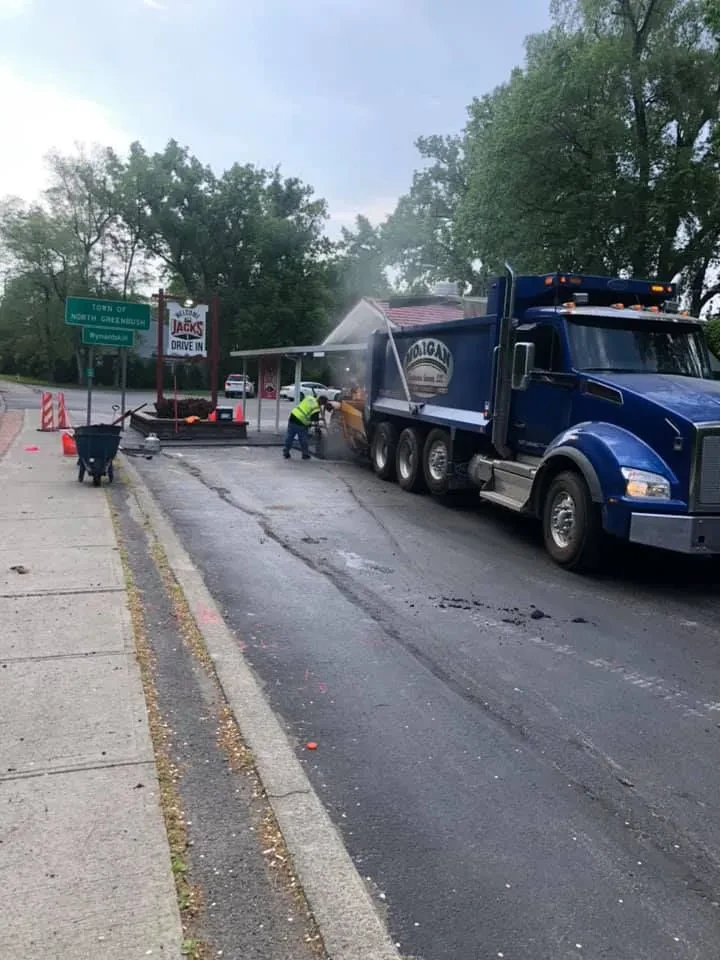
First, you get an honest assessment. The owner comes out, looks at your property, and tells you what actually needs to happen. If your existing base is solid and you only need resurfacing, that’s what gets recommended. If drainage is going to cause problems down the line, you hear about it upfront.
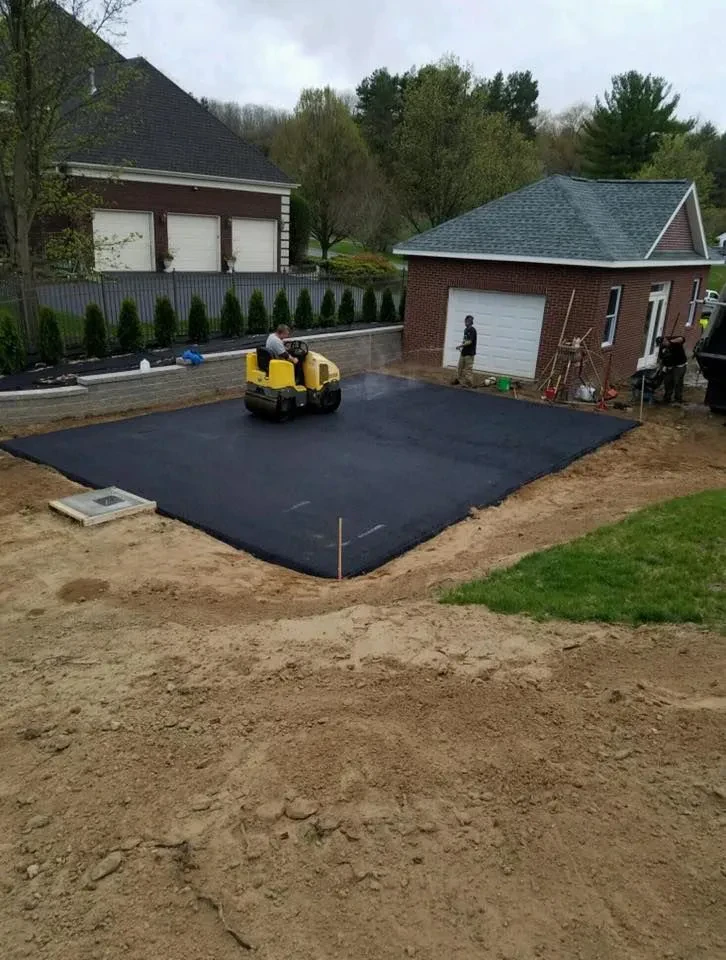
Once you approve the plan, the crew preps the site. That means proper excavation if it’s a new install, or removal of damaged asphalt if it’s a replacement. The base gets graded and compacted so water moves away from the surface instead of pooling underneath. This step matters more than most people realize—it’s what prevents those sinkholes and early cracks.
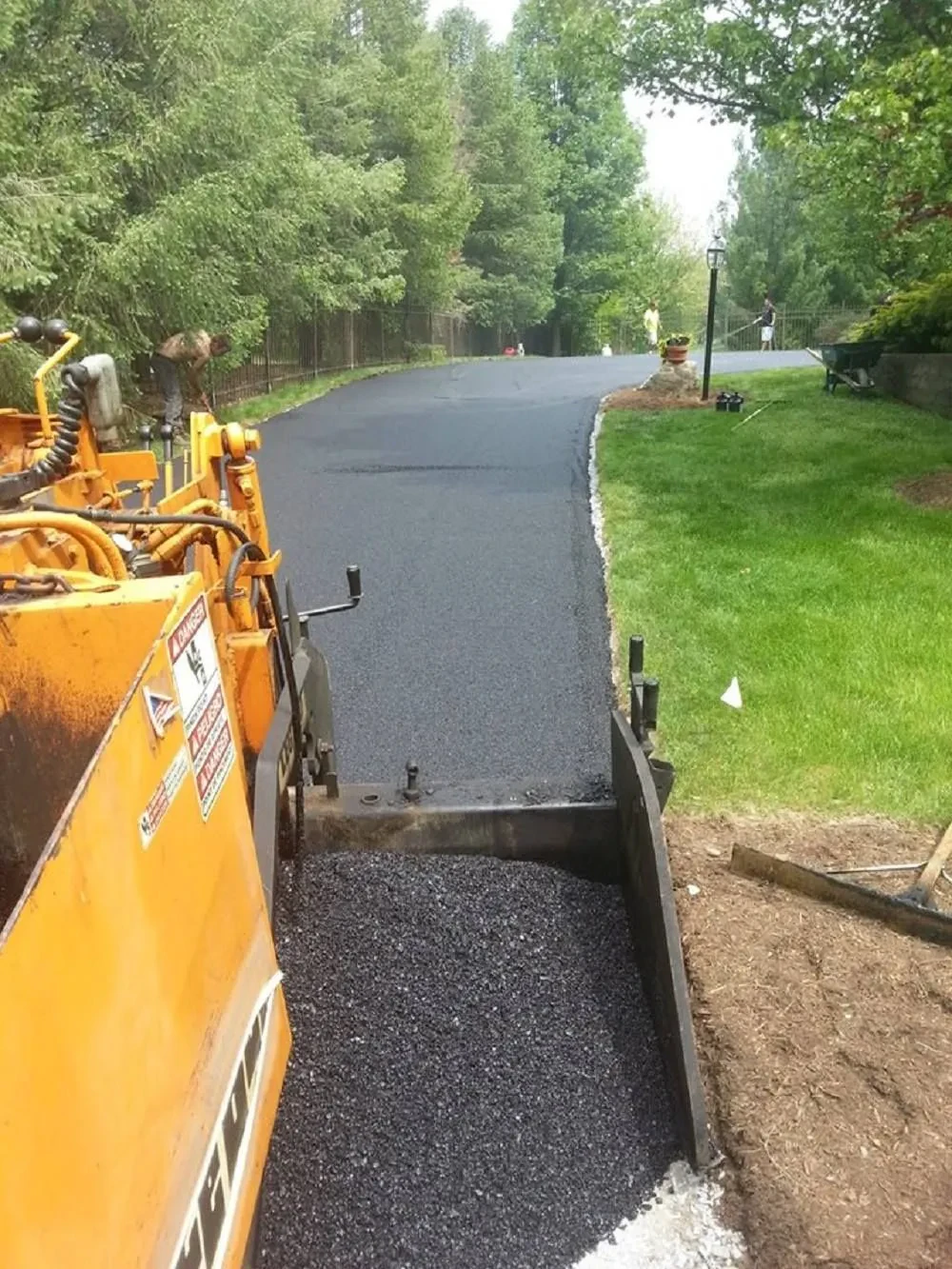
Then the asphalt goes down at the right thickness for your specific use. Residential driveways and commercial parking lots don’t get the same treatment because they don’t take the same load. The surface gets compacted, edges are finished clean, and you’re told exactly when it’s safe to drive on. No guessing. No surprises.

Ready to get started?
We handle residential asphalt driveways and commercial parking lots across South Greenfield and Saratoga County. That includes new installations, full replacements, overlays when the base is still good, and repairs for cracks or potholes before they turn into bigger problems.
Here’s what matters locally: South Greenfield gets hit hard by winter. Freeze-thaw cycles are relentless, and any water that seeps into your asphalt will expand when it freezes, cracking the surface from the inside out. Proper drainage isn’t optional—it’s the difference between asphalt that lasts 15 years and asphalt that needs major work in five.
You also get excavation and site prep when needed, especially for new construction or properties where grading needs adjustment. During winter months when paving isn’t ideal, the focus shifts to foundation work and land clearing. That means year-round availability, just with seasonal adjustments based on what the weather allows.
The goal isn’t to upsell you on services you don’t need. It’s to make sure the work gets done right the first time, so you’re not dealing with premature failure or costly repairs that could’ve been avoided with better planning.
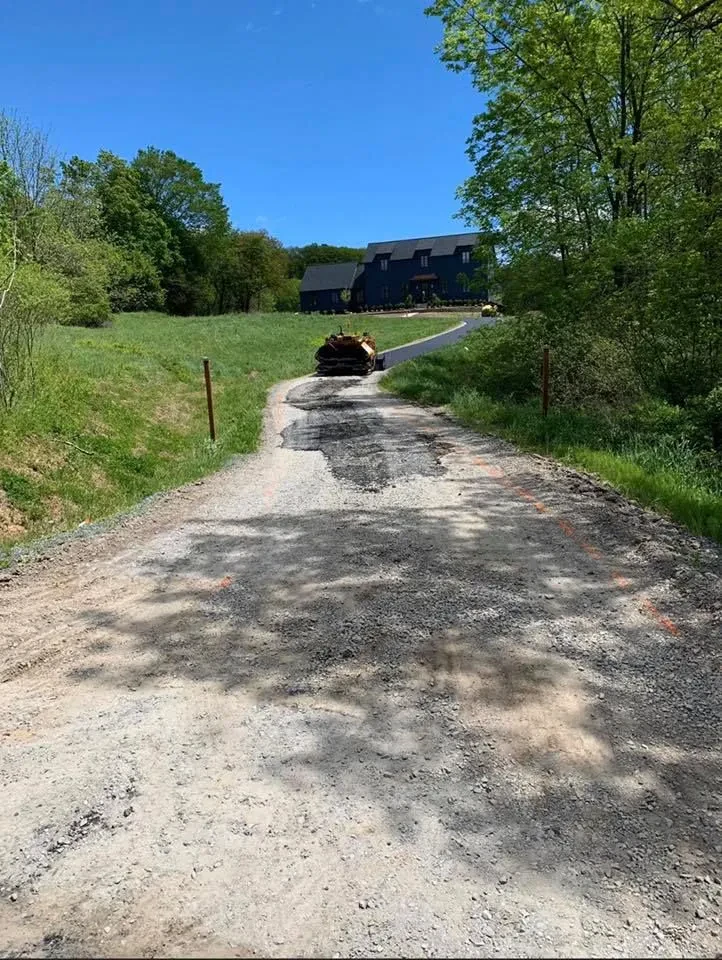
Cost depends on size, thickness, and how much prep work is involved. In New York, you’re typically looking at $7 to $13 per square foot for a new asphalt driveway, which includes materials and installation. A standard two-car driveway (around 600 square feet) usually runs between $4,200 and $7,800.
If your property needs significant excavation, drainage work, or has difficult access, that affects the price. Same thing if you’re removing an old concrete driveway first—demolition and hauling add to the total. Overlays cost less, around $3 to $7 per square foot, but only work if your existing surface is still in decent shape without major cracks or base failure.
The best way to know what your project will actually cost is to get an honest assessment from someone who’ll look at your specific property. We provide straightforward quotes based on what your driveway actually needs, not inflated estimates padded with unnecessary add-ons.
Most residential driveways take one to two days to complete, depending on size and whether you’re doing a full replacement or an overlay. Commercial parking lots take longer based on square footage, but the process is similar—prep work first, then paving, then a waiting period before it’s ready for traffic.
You can walk on new asphalt after about 24 hours. Driving on it is a different story. You should wait at least 48 to 72 hours before parking cars on fresh asphalt, and longer if the weather’s hot. In summer heat, give it closer to five days if possible. Heavy vehicles like delivery trucks should stay off for at least a week to avoid leaving tire marks or creating depressions in the surface.
Asphalt needs time to cure fully, which takes about 6 to 12 months. During that first year, it’s still hardening. You can use it normally, but avoid sharp turns with heavy vehicles and don’t park in the exact same spot every single day if you can help it. After that, it’s fully set and ready for whatever you throw at it.
Water is the main culprit. When water gets under your asphalt and freezes, it expands and pushes the surface up. When it thaws, the asphalt settles back down, but not always evenly. Do that enough times over a South Greenfield winter, and you’ve got cracks. Poor drainage makes it worse—if water pools on your driveway instead of running off, it’s constantly working its way into weak spots.
The other cause is age and UV exposure. Asphalt breaks down over time, especially if it’s not sealed. The binder that holds everything together starts to deteriorate, and the surface becomes brittle. That’s when you see spiderweb cracks spreading across the pavement.
Prevention starts with proper installation. Your asphalt needs a solid, well-compacted base and correct drainage so water moves away from the surface. After that, sealcoating every two to three years protects against UV damage and water penetration. If small cracks do appear, getting them filled quickly stops them from spreading. Ignoring a hairline crack for a year turns it into a pothole, and potholes cost a lot more to fix than crack sealing.
It depends on how much damage you’re dealing with. If you’ve got a few cracks and maybe a small pothole or two, repairs make sense. Crack sealing and patching are straightforward fixes that extend the life of your driveway without the cost of replacement. If the surface is faded but still structurally sound, an overlay can give you a fresh top layer at a fraction of the price.
Replacement becomes necessary when the damage is widespread or the base has failed. If you’re seeing large sections of crumbling asphalt, deep potholes, or areas where the driveway is sinking, that’s a sign the foundation underneath is compromised. Patching won’t fix it because the problem isn’t just the surface—it’s what’s below. In those cases, tearing it out and starting fresh is the only real solution.
Here’s a good rule: if more than 30% of your driveway is damaged, replacement usually makes more financial sense than trying to patch everything. An honest contractor will tell you which option actually solves the problem instead of just kicking it down the road. We walk you through what’s happening with your specific driveway and explain why one approach makes more sense than the other.
Asphalt paving happens during the warmer months—typically spring through fall—because asphalt needs moderate temperatures to be installed correctly. If it’s too cold, the material doesn’t compact properly, and you end up with a surface that fails prematurely. Most paving contractors in upstate New York follow the same seasonal schedule because the weather dictates what’s possible.
That said, we stay busy year-round by shifting focus during winter. When paving isn’t an option, the crew handles excavation, foundation work, and land clearing. So if you’ve got a project that involves site prep, grading, or foundation repairs, those can move forward even when snow’s on the ground.
For asphalt emergencies or urgent repairs during colder months, there are some temporary solutions like cold-patch asphalt that can hold you over until a permanent fix is possible in spring. But for new driveways, parking lots, or major resurfacing, you’re looking at scheduling between April and October for best results. Planning ahead means you’re not stuck waiting months for an opening when paving season hits.
An overlay means you’re adding a new layer of asphalt on top of the existing surface. It’s less expensive because you’re not tearing anything out or rebuilding the base—you’re just resurfacing what’s already there. Overlays work well when your parking lot has minor surface damage like small cracks or fading, but the foundation underneath is still solid. You get a fresh, smooth surface for about half the cost of full replacement.
Full replacement is what you need when the base has failed or the existing asphalt is too far gone. If you’ve got major potholes, widespread cracking, or sections where the pavement is sinking, an overlay won’t fix it. You’d just be putting new asphalt over a failing foundation, and the problems will show up again within a year or two. Replacement means removing the old asphalt, addressing any drainage or base issues, and installing new pavement from the ground up.
The decision comes down to the condition of what’s already there. A contractor who’s being straight with you will assess the base, not just the surface, before recommending one option over the other. If an overlay will actually last and save you money, that’s what gets recommended. If it’s just a temporary band-aid, you’ll hear that too. We evaluate your parking lot honestly and explain which approach makes sense for your situation and budget.
Other Services we provide in South Greenfield