Asphalt paving company also offering concrete work, excavating, and snow removal services.
Contact Info
-
130 Co Rd 70
Stillwater, NY 12170 - Call: 518-935-3068
- Text: 518-935-3068
- Mon - Sun: 7am - 7pm
Contact Info
Hear From Our Clients

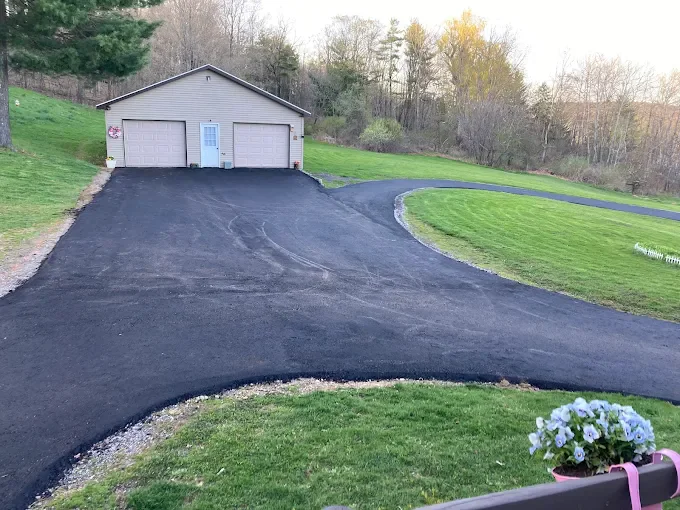
Your driveway isn’t just a place to park. It’s the first thing people see when they pull up to your property, and it takes a beating every single winter.
When it’s done right, you’re not patching cracks every spring or watching sections buckle after the first thaw. You’re pulling in and out without thinking twice. No puddles pooling where they shouldn’t. No chunks breaking off when you use the snowblower. Just a solid surface that does its job year after year.
That’s what proper base preparation gets you. It’s what happens when the contractor actually understands how freeze-thaw cycles work in this part of New York and doesn’t skip steps to save an hour. You end up with a driveway that drains correctly, holds its shape, and doesn’t turn into a maintenance nightmare before you’ve even finished paying for it.
We’ve been handling paving, asphalt, excavation, and foundation work in the Edinburg area for over 25 years. Owner-operated from day one, which means when you call, you’re talking to the person who’s actually going to be there managing your job.
No runaround. No handing you off to someone who doesn’t know what you discussed last week. The owner is involved from the estimate to the final pass of the roller, and that makes a difference when something needs adjusting or you have a question mid-project.
This is a small region where reputation matters. People know who does quality work and who cuts corners. We’ve stayed in business this long because the driveways hold up, the pricing is fair, and the work gets done the way it’s supposed to be done. That’s it.

First, the existing surface gets evaluated. If it’s failing because of a bad base or drainage issues, there’s no point paving over a problem. That just means you’ll be dealing with the same issues in a year or two. If the old driveway needs to come out, it comes out.
Next is base prep, and this is where most contractors either get it right or don’t. The ground gets graded properly for runoff. A compacted gravel base goes down—thick enough to handle freeze-thaw cycles and heavy enough to support the asphalt above it. If your property has drainage challenges, they get addressed now, not after the asphalt is down and it’s too late.
Then comes the asphalt. It’s laid at the right temperature, thick enough to last, and compacted correctly with proper equipment. You’re looking at a minimum of 3 to 4 inches of quality asphalt over that solid base. The edges get finished clean, the slope is checked, and everything is done to make sure water moves off the surface the way it should.
After it cures, you’ve got a driveway that’s ready for whatever Edinburg winters throw at it.
Ready to get started?
Driveway paving in Edinburg isn’t the same as paving in milder climates. The freeze-thaw cycle here is relentless. Water gets into small cracks, freezes, expands by nearly 10%, and breaks the asphalt apart bit by bit. Do that dozens of times every winter and you’ll see why driveways fail fast when they’re not built right from the start.
That’s why proper drainage and a solid base aren’t optional. When moisture gets trapped under your driveway and freezes, it causes frost heave—your driveway literally lifts and shifts. When it thaws, it settles unevenly, and that’s when you get the cracks, dips, and eventual potholes that cost serious money to fix.
We handle the full scope: site evaluation, excavation if needed, grading for proper water flow, compacted base installation, and asphalt paving with the thickness and quality that actually lasts. If you’ve got drainage problems, they get solved before the asphalt goes down. If your soil conditions require extra base depth, that gets factored in.
You also get year-round availability. While paving happens during the warmer months, we shift to foundation work and land clearing in winter, so if you need emergency help or want to plan ahead, you’re not waiting until spring to get a callback.
This is owner-operated work. You’re not dealing with a rotating cast of project managers or waiting three days for someone to return your call. You get straight answers, fair pricing, and someone who’s accountable from start to finish.
Cost depends on the size of your driveway, the condition of what’s already there, and what needs to happen before asphalt goes down. If you’re tearing out an old driveway and starting fresh with proper base prep, you’re generally looking at several thousand dollars for an average residential driveway.
But here’s what matters more than the number: what you’re actually getting for that price. A low bid usually means someone’s skipping steps—thinner asphalt, inadequate base, poor compaction, or cheap materials with too much recycled content. That might save you money now, but you’ll pay for it in repairs within a couple of years.
We provide transparent estimates that break down exactly what’s included. You’ll know what thickness of asphalt you’re getting, what’s happening with the base, and how drainage is being handled. No surprises, no vague line items. Just an honest price for work that’s done right and lasts.
A properly installed asphalt driveway in Edinburg should last 15 to 25 years, sometimes longer with regular maintenance like sealcoating. But that lifespan depends entirely on how it’s built.
If the base isn’t compacted correctly, if drainage wasn’t addressed, or if the asphalt is too thin, you’ll start seeing problems within the first few winters. Freeze-thaw cycles are brutal on asphalt that wasn’t installed with this climate in mind. Water gets in, freezes, expands, and breaks things apart. Do that over and over and even decent asphalt won’t hold up.
The driveways that last are the ones built on a solid, well-drained base with adequate asphalt thickness and proper compaction. Sealcoating every few years adds a protective layer that keeps water out and extends the life even further. It’s not complicated, but it does require doing it right from the beginning.
The difference shows up in the base prep, the materials, and the equipment. A cheap job skips the base work or uses inadequate depth. They might pave right over your old driveway without addressing why it failed in the first place. They’ll use thinner asphalt—maybe 2 inches instead of 3 or 4—or lower-grade material with high recycled content that doesn’t hold up as well.
They might show up with a small crew and old equipment, which means the asphalt cools too fast and doesn’t compact properly. That creates weak spots and seams where water can get in. And they’re usually gone the minute the job is done, so good luck getting them back if something goes wrong.
A quality paving job starts with proper site evaluation and grading. The base gets built thick enough and compacted correctly. Drainage issues get fixed before asphalt goes down. You get 3 to 4 inches of quality asphalt, laid hot, worked quickly, and compacted with the right equipment. The crew knows what they’re doing, the owner is on-site managing the work, and you’ve got someone to call if you ever need them. That’s the difference.
It depends on why your current driveway is failing. If the base is solid and the asphalt is just showing surface wear, an overlay might work. But if you’ve got cracks, heaving, settling, or drainage problems, paving over it just hides the issue temporarily. You’ll end up with the same problems coming through the new asphalt within a year or two.
Most driveways that are bad enough to need replacing have base or drainage issues. That means the old asphalt needs to come out so the real problem can be fixed. Trying to save money by paving over a failing driveway almost always costs more in the long run.
We evaluate your existing driveway honestly. If an overlay will work, you’ll hear that. If the base needs to be redone or drainage needs to be addressed, you’ll hear that too. The recommendation is based on what will actually last, not what’s easiest to sell.
Ask specific questions and see how they answer. What thickness of asphalt are they putting down? What’s the base prep process? How are they handling drainage? If they’re vague or dodge the details, that’s a red flag.
A contractor who’s doing it right will explain the process clearly. They’ll tell you about grading, base depth, compaction, asphalt thickness, and how they’re managing water runoff. They’ll have proper equipment—a paver, a roller heavy enough to compact correctly, and a crew large enough to keep pace so the asphalt doesn’t cool before it’s worked.
Watch out for prices that seem too good to be true. If one bid is way lower than the others, there’s a reason. They’re either using thinner asphalt, skipping base prep, using low-grade materials, or planning to rush the job. Also be wary of contractors who push hard for a decision on the spot or claim to have “leftover materials” from another job. Legitimate contractors provide detailed written estimates and give you time to make an informed decision.
Sealcoating every 2 to 3 years is the biggest thing you can do to extend your driveway’s life. It creates a protective barrier that keeps water from seeping into small cracks and prevents UV damage that breaks down the asphalt binder. It’s a relatively inexpensive maintenance step that can add years to your driveway.
Fill cracks as soon as you notice them. Small cracks turn into big cracks fast, especially with freeze-thaw cycles. Water gets in, freezes, expands, and makes the crack worse. Catching them early with crack filler prevents that cycle from starting.
Keep your driveway clear of standing water and debris. Leaves and dirt trap moisture, which accelerates deterioration. Make sure your drainage is working correctly and water is moving off the surface the way it should. And go easy with deicing chemicals in winter—they can break down the asphalt binder over time. Use them when you need to, but don’t overdo it.
Other Services we provide in Edinburg