Asphalt paving company also offering concrete work, excavating, and snow removal services.
Contact Info
-
130 Co Rd 70
Stillwater, NY 12170 - Call: 518-935-3068
- Text: 518-935-3068
- Mon - Sun: 7am - 7pm
Contact Info
Hear From Our Clients

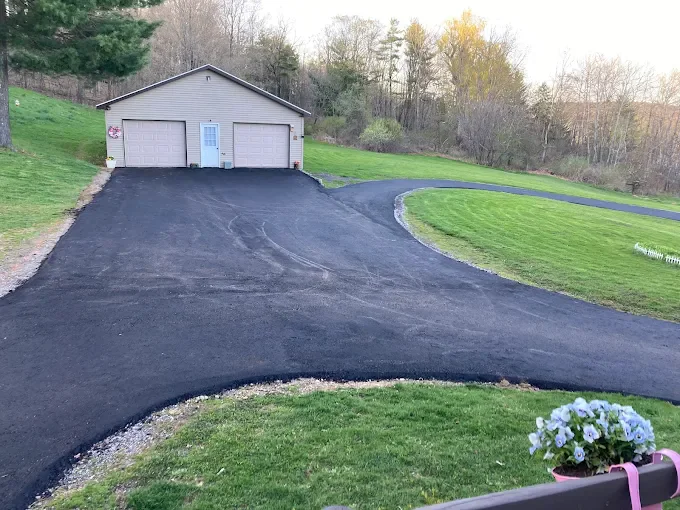
Your driveway takes a beating up here. Freeze-thaw cycles crack the surface. Snow piles up and sits heavy. Water finds every weak spot and makes it worse. You need asphalt that’s installed right the first time—with proper base prep, correct thickness, and drainage that actually works.
When your driveway is done correctly, you’re not patching cracks every spring or dealing with ice dams that pool at the bottom. You’re pulling in and out without worrying whether this winter will be the one that finally destroys it. That’s what proper paving does—it removes the stress and gives you a surface you can count on.
We’ve been doing this for over 25 years in this region. We know what works here and what doesn’t, and we’re on-site to make sure it’s done right. No guessing. No shortcuts. Just a driveway that holds up.
We’ve been serving Riparius and the surrounding Warren County area for more than 25 years. This is an owner-operated business, which means the person you talk to on day one is the same person overseeing your project on day ten. No handoffs. No confusion. No wondering if the crew actually knows what they’re doing.
We handle paving, asphalt, excavation, and foundation work for residential and commercial clients across the region. In winter, when paving isn’t an option, we shift focus to foundations and land clearing so you always have access to reliable service. Our pricing is competitive and transparent—no gimmicks, no surprise fees. If something needs to be done, you’ll know why and what it costs before the work starts.
Riparius homeowners deal with tough conditions. We understand that and build accordingly.

First, we assess the existing surface. If there’s old asphalt or a failing base, it’s removed. If drainage is an issue, it gets addressed before anything else happens. Skipping this step is how driveways fail early.
Next, we prep and compact the base. This is the foundation that keeps your driveway stable through freeze-thaw cycles. If the base isn’t right, the asphalt on top won’t matter. Proper grading ensures water flows away from the surface instead of pooling and freezing.
Then the asphalt goes down—hot mix, applied at the right thickness for your specific use. Residential driveways typically need two to three inches. If you’re parking heavier vehicles or dealing with steep grades, it might be more. We make that call based on what your property actually needs, not what’s easiest to install.
After installation, the surface needs time to cure. About six months later, sealcoating is applied to protect against moisture, UV damage, and chemicals. This extends the life of your driveway significantly and should be reapplied every few years. It’s a small step that prevents expensive repairs down the road.
Ready to get started?
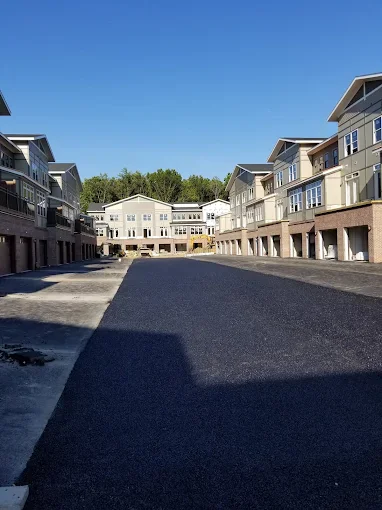
When we handle your driveway paving, you’re getting a full-scope project managed by the owner. That includes site evaluation, old surface removal if needed, proper base preparation, grading for drainage, asphalt installation at the correct thickness, and compaction to ensure a smooth, durable finish.
In Riparius and the broader Adirondack region, drainage is critical. Water that doesn’t drain properly will freeze, expand, and crack your driveway within a season or two. Our installation process accounts for local terrain, slope, and typical weather patterns so your driveway isn’t just paved—it’s built to handle what’s coming.
You also get direct communication with the owner throughout the project. If something changes or an issue comes up, you hear about it immediately. No waiting for callbacks or dealing with project managers who weren’t on-site. The person making decisions is the same person doing the work, which means faster answers and better outcomes.
We offer emergency response capability, so if winter damage does occur, you’re not stuck waiting months for a repair. Year-round availability means you have access to help when you actually need it, not just when it’s convenient for us.
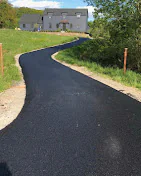
With proper installation and maintenance, an asphalt driveway can last 20 to 25 years or more. But that lifespan depends heavily on how it’s installed and how well you maintain it. Up here in the Adirondacks, freeze-thaw cycles are brutal. Water gets into cracks, freezes, expands, and makes those cracks worse. If your driveway wasn’t built with proper drainage and a solid base, it won’t make it past 10 years.
Sealcoating is a big part of longevity. About six months after installation, your driveway should be sealed to protect it from moisture and chemicals. After that, reapply sealant every three to five years depending on wear. Regular maintenance like filling small cracks before they become big problems also makes a difference.
The quality of the original installation matters most. If shortcuts were taken during base prep or the asphalt was applied too thin, no amount of maintenance will save it. That’s why working with an experienced local contractor who understands the climate is essential.
Late spring through early fall is the best window for asphalt paving in this region. Asphalt needs warm temperatures to cure properly—ideally above 50 degrees Fahrenheit, though warmer is better. When it’s too cold, the asphalt doesn’t compact correctly and you end up with a weaker surface that’s more prone to cracking.
Winter paving isn’t an option. The material won’t bond properly in freezing conditions, and the installation process requires specific temperatures to work. If you try to rush it in cold weather, you’re setting yourself up for failure within the first year.
That said, planning ahead is smart. Paving contractors get busy during peak season, so if you’re thinking about a new driveway or major repairs, reach out in late winter or early spring to get on the schedule. That way, when temperatures warm up, you’re not waiting months for an opening. We work year-round on other projects like foundations and land clearing during winter, so staying in touch ensures you’re ready to go when paving season hits.
Driveway paving costs vary based on size, current condition, and what needs to be done. In New York, asphalt driveways typically run between $5 and $12 per square foot, including materials and installation. A standard two-car driveway (around 600 square feet) might cost anywhere from $3,000 to $7,200 depending on complexity.
If your existing driveway needs to be removed, that adds to the cost because of demolition and disposal. If there are drainage issues or the base needs significant work, that’s additional. Steep grades or difficult access can also affect pricing. The key is getting an honest assessment upfront so you know what you’re paying for and why.
We provide transparent pricing with no hidden fees. We evaluate your property, explain what needs to happen, and give you a clear number before any work starts. You’re not getting a lowball estimate that balloons once the project begins. Competitive pricing doesn’t mean cheap—it means fair value for quality work that lasts. Investing in a properly installed driveway now saves you from expensive repairs and early replacement down the road.
Winter is tough on asphalt, especially new asphalt that hasn’t been sealcoated yet. The first six months after installation are when your driveway is most vulnerable. During that time, avoid using metal shovels or aggressive snow removal tools that can scratch or gouge the surface. Use a plastic shovel and keep the blade at a shallow angle.
Deicers can damage asphalt if you’re not careful. Rock salt is the worst offender—it’s corrosive and can break down the surface over time. If you need to melt ice, use calcium magnesium acetate or magnesium chloride instead. These are safer for asphalt and still effective in cold temperatures. Apply them sparingly and avoid dumping piles in one spot, which concentrates chemicals and weakens the pavement.
Drainage is critical. Make sure water isn’t pooling on your driveway or along the edges. Standing water freezes and expands, which creates cracks. If you notice persistent pooling, address it before winter hits. After your driveway has cured for about six months, get it sealcoated. That protective layer makes a huge difference in how well your driveway holds up against snow, ice, and freeze-thaw cycles. Regular inspections each spring help you catch small issues before they turn into expensive repairs.
It depends on the condition of your current driveway. If the existing asphalt is in decent shape—minor cracks, no major structural issues, and proper drainage—an overlay might work. An overlay is when a new layer of asphalt is applied over the old surface. It’s less expensive than full replacement because you’re not paying for demolition and removal.
But if your driveway has serious problems like large cracks, potholes, drainage issues, or a failing base, an overlay won’t fix those. You’ll just be covering up problems that will resurface quickly. In those cases, full removal and replacement is the smarter move. It costs more upfront, but you’re getting a driveway that will actually last instead of throwing money at a temporary fix.
We’ll assess your driveway and tell you honestly whether an overlay makes sense or if you need to start fresh. There’s no point in doing work that won’t hold up. If removal is necessary, the process includes taking out the old asphalt, repairing or replacing the base, ensuring proper drainage, and then installing new asphalt at the correct thickness. It’s more work, but it’s the right way to do it when the existing surface is too far gone.
Yes. We offer emergency response capability for clients dealing with sudden driveway damage. Winter can cause unexpected issues—potholes that appear overnight, cracks that widen rapidly, or drainage failures that create dangerous ice buildup. When that happens, you need someone who can respond quickly, not a contractor who’s booked out for months.
Emergency repairs during winter are typically temporary fixes using cold patch asphalt, which doesn’t require warm temperatures to apply. These patches hold things together until permanent repairs can be done in warmer weather. It’s not ideal, but it’s better than leaving a dangerous pothole or a section of driveway that’s actively deteriorating.
Because we operate year-round—shifting focus to foundations and land clearing during winter—we’re always available to handle urgent issues. When you call, you’re talking to the owner who will actually do the work. That means faster response times and solutions that make sense for your specific situation. Long-term client relationships matter to us, and part of that is being available when problems happen, not just when it’s convenient.
Other Services we provide in Riparius