Asphalt paving company also offering concrete work, excavating, and snow removal services.
Contact Info
-
130 Co Rd 70
Stillwater, NY 12170 - Call: 518-935-3068
- Text: 518-935-3068
- Mon - Sun: 7am - 7pm
Contact Info

Hear From Our Clients
A parking lot that holds up means fewer headaches down the road. You’re not dealing with potholes that turn customers away or cracks that become liability issues. You’re getting a surface built to handle Athol’s freeze-thaw cycles without falling apart in three years.
Proper base preparation makes the difference between pavement that lasts 20 years and pavement that needs repairs every other season. Water drainage keeps your lot from turning into a pond every spring. Line striping that actually stays visible keeps traffic moving safely.
This isn’t about making your property look nice for a week. It’s about creating a parking area that works for your business year after year, through every winter we throw at it up here. When the base is right and the asphalt is laid correctly, you’re looking at decades of use instead of constant repair bills.
We’ve been handling paving, asphalt, excavation, and foundation work in this region for over 25 years. The owner answers the phone, walks the site, and stays involved from your first call to the final walkthrough.
That matters when you need straight answers about what your lot actually needs versus what someone’s trying to sell you. You’re getting competitive pricing because there’s no sales team taking a cut. You’re getting honest timelines because the person giving you the estimate is the same person managing the crew.
Emergency repairs get handled when they come up. Seasonal work gets scheduled around your business needs. And if something needs to be made right, you know exactly who to call—because it’s the same person you’ve been talking to all along.

First, the owner comes out to look at your property. Not a salesperson—the owner. You’ll get a clear assessment of what your lot needs, whether that’s full-depth paving, resurfacing, or targeted repairs. The estimate includes site prep, base work, drainage considerations, and the asphalt itself.
Once you’re ready to move forward, the schedule gets locked in around your business hours. Site prep involves clearing the area, grading for proper drainage, and installing a compacted aggregate base. This foundation work determines how long your parking lot will last, so it’s not the place to cut corners.
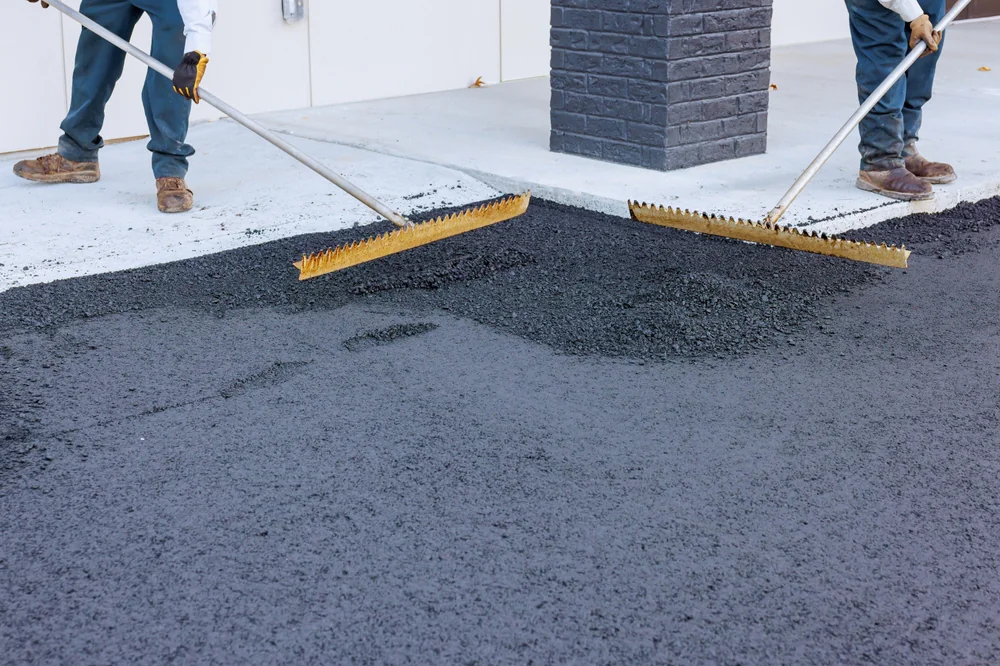
The asphalt goes down in layers—a binder course for strength, then a smooth top layer. Everything gets compacted while it’s hot to create a dense, durable surface. After curing, line striping goes in for parking spaces, ADA-compliant markings, and traffic flow. You’ll know what to expect at every stage, and if weather delays things, you’ll hear about it directly.
Ready to get started?
Site evaluation and honest recommendations based on what your property actually needs. Complete base preparation with proper grading and compaction—this is where most cheap jobs fall apart. Drainage solutions that keep water moving away from your pavement instead of pooling on the surface.
Hot-mix asphalt installation with the right thickness for your traffic load. Commercial lots see heavier use than residential driveways, so the specs change. Line striping for parking spaces, handicap areas, fire lanes, and directional markings. ADA-compliant installations that meet code requirements.
Athol’s location in Warren County means your parking lot faces some of the toughest conditions in the state. Winter freeze-thaw cycles, heavy snow loads, spring runoff—all of it takes a toll on pavement. We account for these local factors in every project. The base gets built to handle frost heave. The drainage gets designed for the amount of water this region actually sees. And the asphalt mix is chosen for climate conditions, not just whatever’s cheapest that week.

A properly installed parking lot in Athol should give you 20 to 30 years of service with regular maintenance. That means sealcoating every few years and addressing cracks before they spread. The key word is “properly installed”—if the base isn’t right or the drainage is poor, you’re looking at problems much sooner.
Athol’s freeze-thaw cycles are hard on pavement. Water gets into small cracks, freezes, expands, and makes those cracks bigger. Over time, that leads to potholes and structural failure. But when the base is built correctly and water drains away instead of sitting on the surface, asphalt holds up remarkably well even through harsh winters.
Skipping maintenance cuts that lifespan short. A lot that never gets sealed or has cracks left unrepaired might need major work in 10 to 15 years instead of 25. Regular upkeep isn’t just about appearance—it’s about protecting your investment.
Resurfacing means milling off the top layer of worn asphalt and putting down a new surface over the existing base. It works when the foundation is still solid but the top has deteriorated from traffic and weather. It’s faster and costs less than starting from scratch—usually around half the price.
Full-depth paving means tearing out everything down to the subgrade, rebuilding the base, and installing new asphalt from the ground up. You need this when the base has failed, when there’s extensive cracking throughout the lot, or when drainage problems have compromised the structure. It costs more upfront but gives you essentially a brand-new parking lot.
The right choice depends on what’s actually wrong with your lot. An honest contractor will tell you when resurfacing is enough and when you need to go deeper. Trying to resurface over a failed base just wastes money—you’ll be back to square one within a couple years.
Most commercial parking lot paving runs between $2.50 and $5 per square foot, depending on site conditions and what needs to be done. A 10,000-square-foot lot typically costs $25,000 to $50,000 for full-depth paving. Resurfacing costs less—usually $1.50 to $3 per square foot.
Those numbers include site prep, base work, asphalt installation, and basic striping. They don’t include things like major drainage fixes, extensive excavation, or removing old pavement that’s contaminated. Every site is different, which is why you need someone to actually look at your property before giving you a number.
Cheaper isn’t better when it comes to paving. A low bid usually means thin asphalt, poor base prep, or corners cut somewhere you won’t see until it fails. You’re better off paying fair market rate for work that lasts than saving money on a job that needs to be redone in five years.
Late spring through early fall gives you the best conditions for asphalt paving. Asphalt needs warm temperatures to cure properly—ideally above 50 degrees during the day and not dropping below freezing at night. That usually means May through October in this area.
Summer is peak season, which means contractors are busiest and scheduling can be tight. Spring and fall often offer more flexibility and sometimes better pricing. But the weather has to cooperate—rain delays paving, and you need a few dry days after installation for proper curing.
Winter paving is possible for emergency repairs, but it’s not ideal for full lot installations. Cold temperatures affect how the asphalt compacts and cures. We handle year-round work, shifting focus to excavation and foundation projects when paving season ends. If you need emergency repairs in winter, they can be done, but planning your project for warmer months gives you the best results.
Yes. Sealcoating, crack filling, pothole repairs, and line striping are all part of keeping your parking lot in working condition. Sealcoating should happen every two to four years to protect the asphalt from UV damage, water infiltration, and chemical spills. It’s the cheapest insurance you can buy for your pavement.
Crack filling stops small problems from becoming big ones. Water gets into cracks, freezes, and makes them worse. Filling them early prevents that damage from spreading. Potholes need to be patched as soon as they appear—they only get bigger, and they’re liability issues waiting to happen.
Regular maintenance extends your parking lot’s life by years and saves you from expensive reconstruction projects. A lot that gets attention stays functional for decades. A lot that gets ignored needs major work much sooner. We handle both the initial installation and the ongoing care that keeps it working.
Widespread cracking across more than 30% of the surface usually means the base has failed and you need full replacement. Alligator cracking—those interconnected cracks that look like reptile skin—indicates structural problems underneath. Potholes that keep coming back in the same spots point to base failure too.
If you’re seeing isolated cracks, a few potholes, or surface wear but the pavement is still mostly intact, repairs and resurfacing can buy you another 10 to 15 years. Standing water that doesn’t drain, severe rutting in wheel paths, or pavement that’s sinking in sections all suggest you need more than a patch job.
The only way to know for sure is to have someone who knows what they’re looking at evaluate your lot. We’ll walk your property and give you an honest assessment of what needs to happen. Sometimes that’s a simple fix. Sometimes it’s time to start over. Either way, you’ll get the straight answer, not the one that makes the biggest sale.
Other Services we provide in Athol