Asphalt paving company also offering concrete work, excavating, and snow removal services.
Contact Info
-
130 Co Rd 70
Stillwater, NY 12170 - Call: 518-935-3068
- Text: 518-935-3068
- Mon - Sun: 7am - 7pm
Contact Info
Not all asphalt driveways are built the same. Learn what separates installations that last 30 years from those that crack and fail within five.
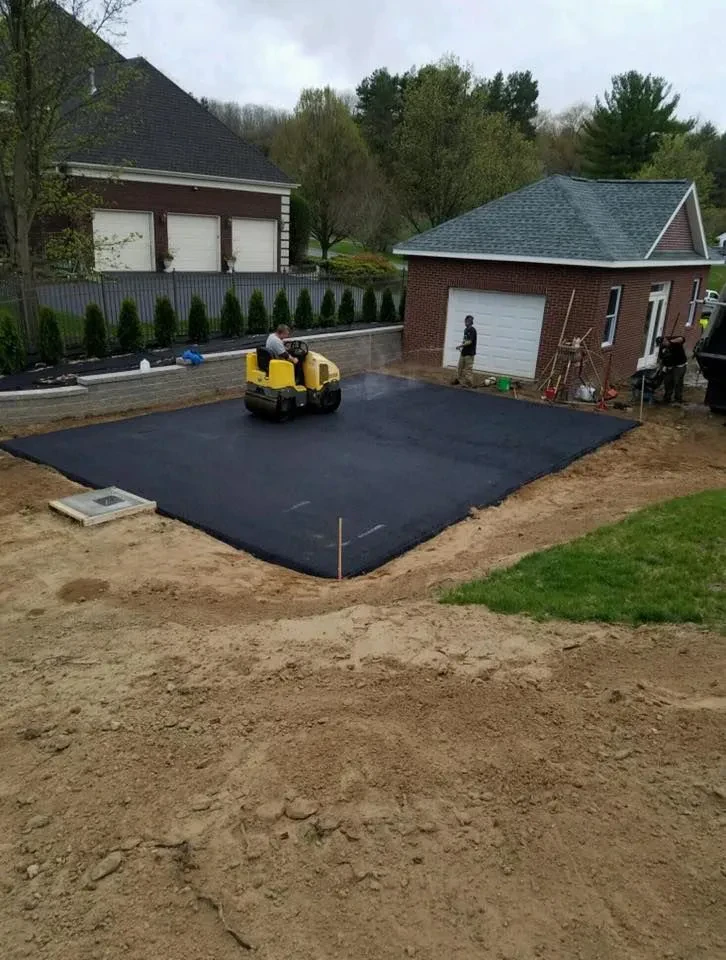
Asphalt isn’t the problem when driveways fail prematurely. The installation is.
Base preparation causes most failures. Your driveway sits on 6 to 8 inches of compacted gravel. When a paving contractor skips proper excavation, uses insufficient base material, or doesn’t compact it correctly, the asphalt above eventually cracks and settles. This damage doesn’t appear immediately—it shows up one or two years later after water infiltrates underneath and freeze-thaw cycles do their work.
Asphalt thickness determines durability. Residential driveways need at least 2 to 3 inches of compacted asphalt to handle vehicle weight and temperature changes. Some paving companies lay thinner surfaces to cut costs, leaving you with pavement that can’t withstand daily use. Low-quality asphalt mixes loaded with recycled material instead of fresh aggregate deteriorate faster too.

Driveways in Saratoga Springs, NY, Glens Falls, NY, and throughout Warren and Saratoga Counties face climate conditions that test every installation decision.
Freeze-thaw cycles attack asphalt relentlessly. Water seeps into small cracks. Temperatures drop below freezing and that water expands, widening the crack. It thaws, more water enters, and the cycle repeats. A hairline crack in October becomes a pothole by March.
Snow and ice compound the damage. Heavy snow loads press down on your driveway for months. De-icing salts break down the asphalt binder that holds aggregate together. When spring melt arrives, massive water volumes need drainage. Poor grading means water pools, seeps into the base, and undermines the entire driveway structure.
Summer heat creates different problems. Asphalt softens when temperatures hit the 80s and 90s. Heavy vehicles parked in one spot create depressions in the softened surface. Intense UV radiation degrades the binder, making asphalt brittle and fading it from black to gray.
Temperature swings between seasons stress the pavement constantly. Below-zero January cold gives way to 90-degree July heat. Asphalt expands and contracts with these changes. Driveways built with proper materials and installation techniques handle this stress. Those built with shortcuts don’t.
Late spring through early fall provides optimal paving conditions in upstate New York. Temperatures consistently between 65 and 75 degrees Fahrenheit allow hot-mix asphalt to cure properly and bond correctly. Paving below 50 degrees prevents proper curing, causes poor compaction, and creates problems from the start.
Base preparation determines whether your driveway lasts 5 years or 30. Everything else builds on this foundation.
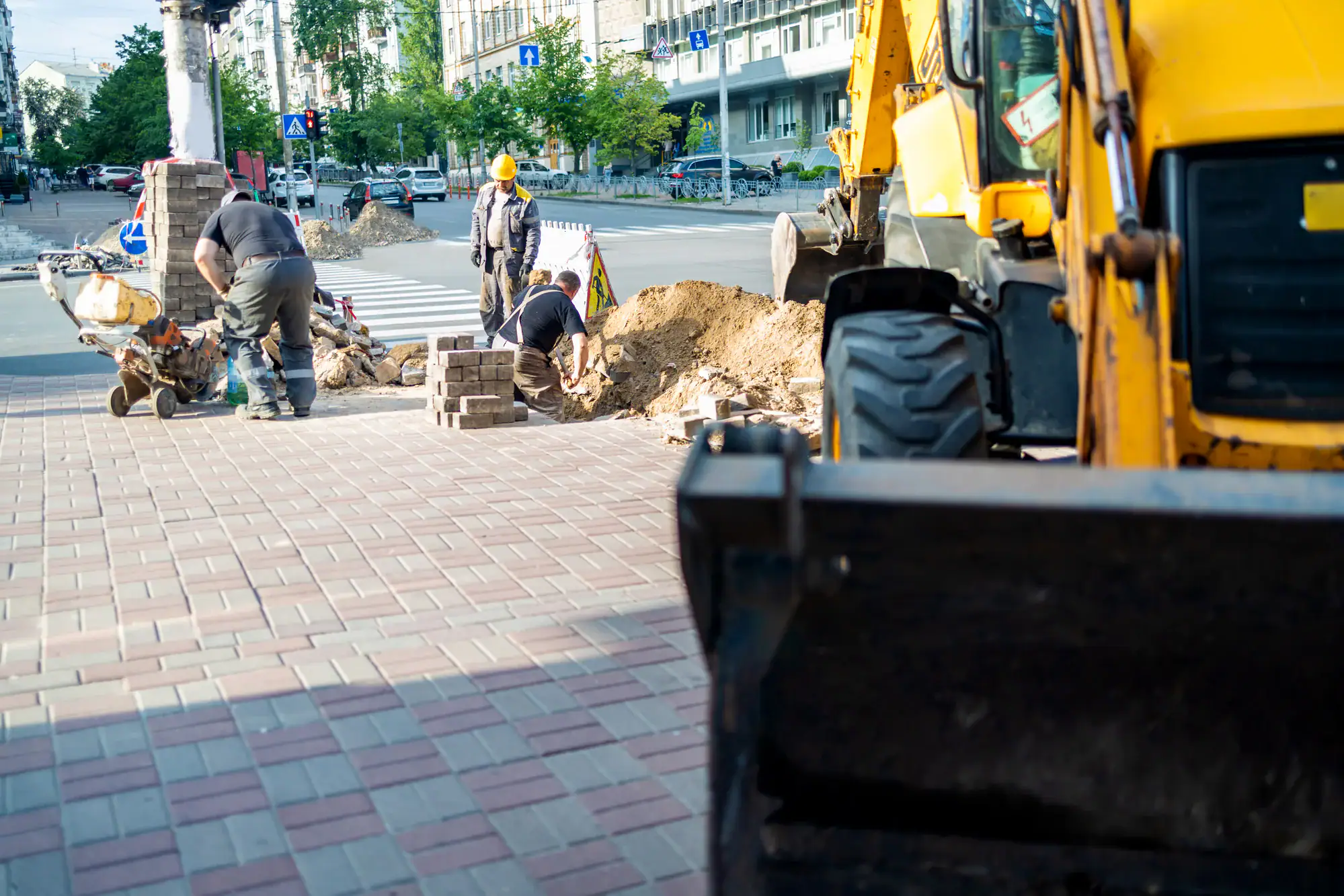
Excavation comes first. Old driveway material must be completely removed. Some paving contractors suggest overlaying new asphalt on the existing surface to save time and money. This rarely works. You’re building on a failed foundation, and the new pavement will fail for the same reasons.
After removal, the soil underneath gets graded and compacted. Clay or loamy soil—common throughout the region—may require geotextile fabric to prevent base material from migrating into the ground. This fabric barrier keeps everything stable.
The gravel base comes next, typically 6 to 8 inches of compacted stone. This base distributes vehicle weight across a wider area and allows water drainage away from the surface. Heavy equipment must compact the base in layers. Hand-tamping or undersized rollers produce inadequate results.
Drainage design happens during base prep. Your driveway needs approximately 2 percent slope so water runs off instead of pooling. Standing water works into cracks, and winter freezing expands it, causing major damage. Proper grading prevents this before asphalt installation.
Areas with poor drainage or high water tables may need French drains or edge drains to redirect water. This increases upfront costs but prevents expensive repairs later. The base also needs settling time before paving. Rushing this step means asphalt goes down on an unstable foundation. Experienced paving contractors know when the base is ready and won’t compromise the schedule for speed.
Want live answers?
Connect with a Morgan Construction expert for fast, friendly support.
Your paving contractor choice determines everything. Premium materials mean nothing if the crew installing them cuts corners or lacks experience.
Experience matters first. How long has the paving company been operating? A contractor with 20 or 25 years in business has encountered every soil condition, weather challenge, and driveway configuration. We understand what works in this climate and what fails. Request references from recent projects in your area, then visit those sites if possible.
Equipment quality reveals a lot about a paving contractor. Asphalt must be laid at approximately 300 degrees Fahrenheit and worked quickly to prevent seams and weak spots. Professional-grade pavers, heavy rollers, and adequate crew size (typically 6 to 8 workers) maintain quality and pace. Old equipment, small crews, or manual asphalt laying signal problems.
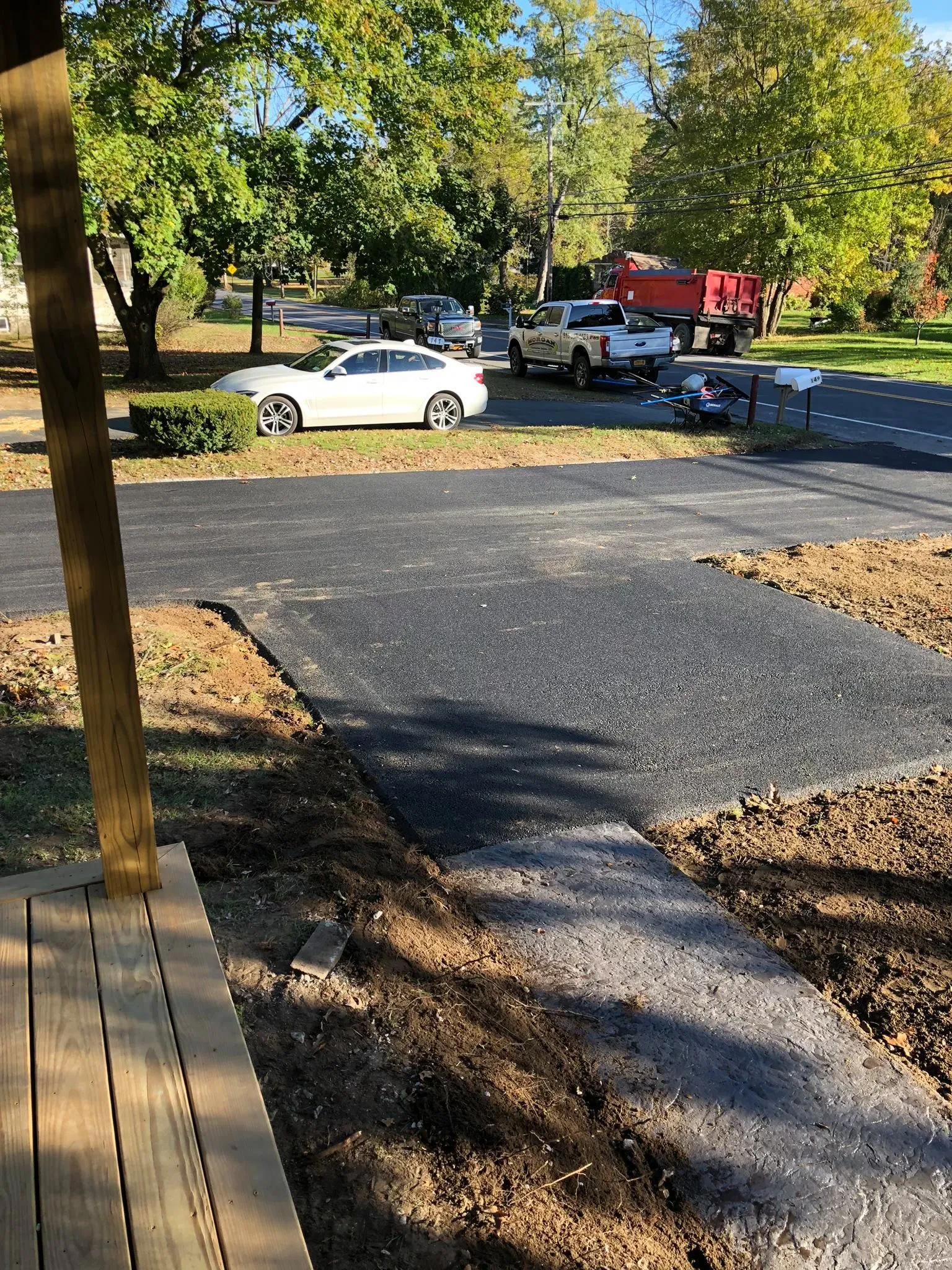
The conversation before you sign reveals whether a paving contractor delivers quality or takes shortcuts.
Ask about base preparation specifics. How thick will they make it? What base material will they use? Will they install geotextile fabric if soil conditions require it? Vague answers or attempts to skip this discussion indicate corner-cutting on actual work.
Confirm asphalt thickness plans. The answer should be at least 2 inches, preferably 2.5 to 3 inches for residential driveway paving. Anything less means walking away. Also ask about the asphalt mix grade. Higher-grade asphalt with less recycled material costs more but delivers better longevity and appearance.
Drainage is non-negotiable. How will they grade your driveway? What’s their water management plan? Unclear answers signal problems. Water threatens asphalt longevity more than almost anything, and experienced paving services professionals know this intimately.
Get crew and equipment details. How many workers will be on your site? What paver and roller models will they use? Do they own their equipment or rent it? Equipment ownership suggests an established paving company that isn’t subject to rental price fluctuations affecting your project cost.
Warranties matter. Reputable paving contractors offer warranties covering materials and workmanship for reasonable periods. Hesitation to stand behind their work tells you about the quality you’ll receive.
Everything must be in writing. Estimates should include material costs, labor, base preparation, drainage work, and additional fees. Thickness specifications for base and asphalt, asphalt mix type, and completion timeline should be clearly stated. Verbal promises provide no protection when problems arise.
Driveway paving costs vary by size, site conditions, and materials. Understanding typical ranges helps you identify estimates that are too good to be true.
Asphalt driveway paving in 2025 typically runs $5 to $15 per square foot, including materials and labor. A standard 600-square-foot two-car driveway costs $3,000 to $9,000. This range reflects differences in base preparation requirements, asphalt thickness, site accessibility, and whether old driveway removal is necessary.
Significantly lower bids usually have reasons. The paving contractor might plan thinner asphalt layers, inadequate base prep, lower-grade materials, or smaller crews with older equipment. These shortcuts save them money short-term but cost you far more when early failure occurs.
The highest bid doesn’t guarantee the best value either. Some contractors charge premium prices without delivering premium results. Look for competitive pricing backed by quality work, proper materials, and solid warranties.
Labor typically represents half the total cost, covering excavation, base preparation, grading, asphalt installation, and compaction. Materials—asphalt, base stone, fabric when needed—account for the other half. Additional costs may include permits ($50 to $200 typically), old driveway removal and disposal, drainage improvements, or site access challenges.
Maintenance costs factor into long-term value. Asphalt driveways need sealcoating every 2 to 5 years at $1 to $2 per square foot. This protective layer shields against UV damage, water infiltration, and chemical exposure from vehicle fluids and de-icing salts. Regular sealcoating can add 5 to 10 years to driveway lifespan.
Minor crack repairs cost under $0.20 per linear foot when caught early. Delayed repairs turn small cracks into large ones requiring extensive patching or resurfacing at $800 to $2,600 depending on damage extent.
Compare what’s included when reviewing estimates, not just final numbers. Does one contractor include drainage improvements? Is one using 2 inches of asphalt while another uses 3? Is base preparation clearly detailed? Understanding what you’re actually paying for enables informed decisions.
Quality asphalt driveway paving should serve you for 20 to 30 years. Achieving this requires proper base preparation, quality materials, experienced installation, and a paving contractor who won’t sacrifice quality for profit.
Upstate New York’s harsh climate makes professional driveway construction even more critical. Freeze-thaw cycles, heavy snow, temperature extremes, and moisture constantly test your pavement. When installation is done right—with adequate base depth, proper drainage, correct asphalt thickness, and work performed during optimal weather—your driveway handles these challenges year after year.
Find a paving company with proven local experience, professional equipment, and commitment to quality work. Ask detailed questions about base prep, materials, and drainage. Get comprehensive estimates in writing. Remember that the lowest bid often creates the highest long-term costs.
We’ve provided quality paving services to homeowners across the region for over 25 years. When you’re ready to discuss your driveway project with a team that prioritizes honest communication and lasting results, reach out to us today.
Summary:
Article details:
Share: