Asphalt paving company also offering concrete work, excavating, and snow removal services.
Contact Info
-
130 Co Rd 70
Stillwater, NY 12170 - Call: 518-935-3068
- Text: 518-935-3068
- Mon - Sun: 7am - 7pm
Contact Info
Professional driveway paving does more than create a smooth surface—it transforms your home's first impression, increases property value, and provides decades of reliable performance.
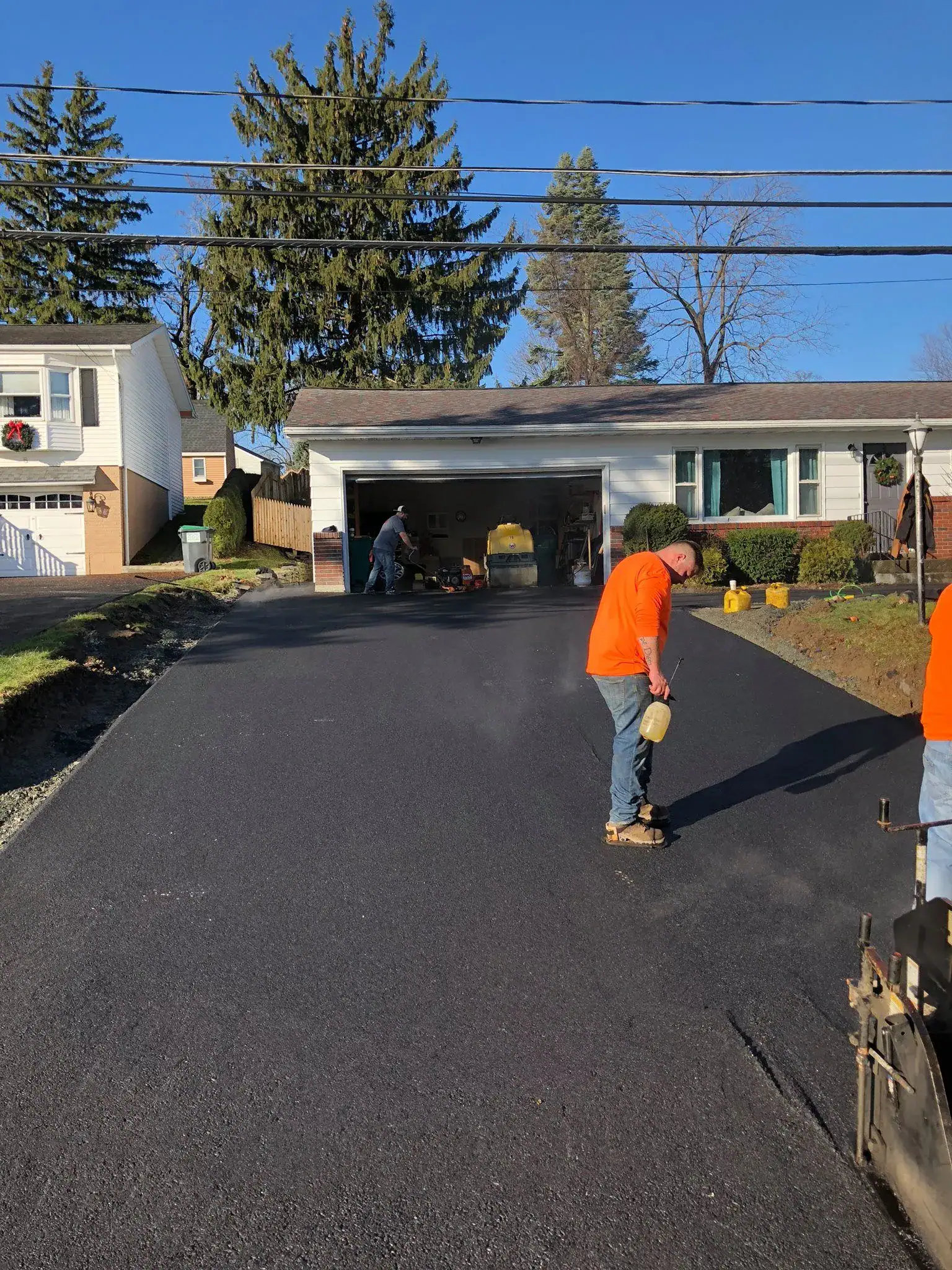
Professional driveway paving isn’t just about pouring asphalt and calling it done. It’s a complete process that starts below the surface and requires expertise most homeowners don’t have access to.
At Morgan Construction, we handle site evaluation, proper base preparation, drainage planning, material selection, and installation using commercial-grade equipment. We understand soil conditions in your specific area, local building codes, and how New York’s freeze-thaw cycles impact long-term durability. Our work involves excavation, grading, compacting a stable base, applying hot-mix asphalt at precise temperatures, and ensuring proper drainage away from your home and garage.
This level of work requires specialized machinery—vibratory rollers, paving machines, compactors—and trained crews who know how to achieve uniform density and proper slope. It’s not a weekend project, and it’s not something you can replicate with rental equipment and YouTube tutorials.
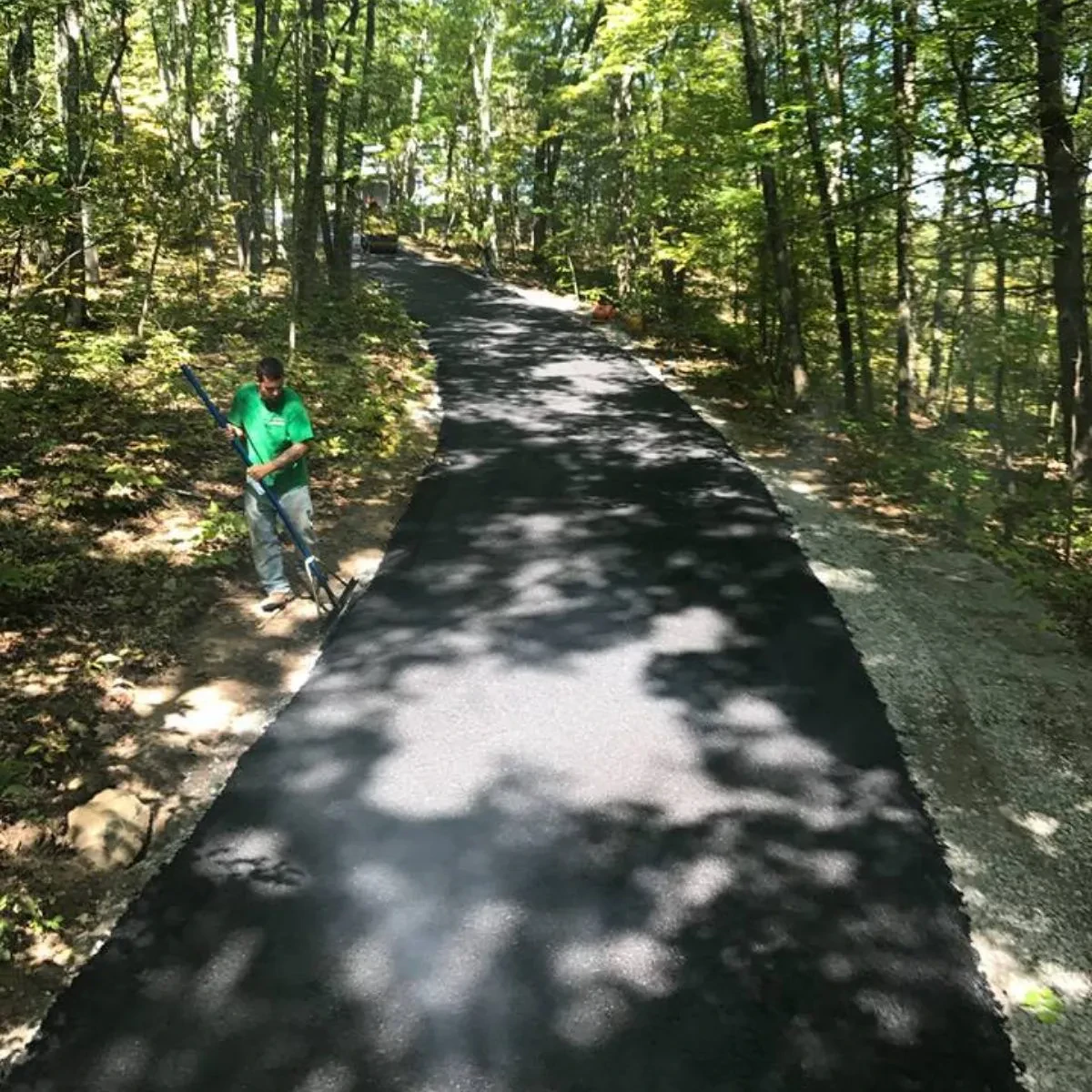
Let’s talk numbers. A professionally paved driveway can increase your home’s value by 5 to 10 percent. For a home valued at $300,000, that’s anywhere from $15,000 to $30,000 in added equity.
Research shows that homes with paved driveways sell seven to ten days faster than comparable properties with gravel or dirt driveways. That matters when you’re competing in a market where first impressions happen in seconds. Appraisers assess curb appeal by looking at driveway type, condition, and how it compares to neighboring homes. In areas where paved driveways are standard, an unpaved or deteriorating driveway actively hurts your home’s appraised value.
Beyond the appraisal, there’s the buyer psychology factor. A smooth, well-maintained driveway signals that the home has been cared for. It suggests the owner invested in quality and didn’t cut corners. Buyers notice. They’re more willing to pay a premium for a property that doesn’t require immediate repairs or ongoing attention to basic infrastructure. A new driveway isn’t just functional—it’s a selling point that makes your home more marketable the moment you list it.
And even if you’re not selling anytime soon, the value is there. You’re building equity. You’re protecting your investment. You’re ensuring that when the time comes, your home stands out for the right reasons.
If you live in Saratoga Springs, Glens Falls, or anywhere across Warren County, you already know winters are brutal. What you might not realize is how much damage freeze-thaw cycles do to improperly installed driveways.
Here’s what happens. Water seeps into small cracks or gaps in the pavement. When temperatures drop below freezing, that water expands as it turns to ice. The expansion creates pressure that widens cracks and pushes pavement apart. When it warms up, the ice melts, leaving bigger gaps for more water to enter. This cycle repeats dozens of times each winter, compounding damage with every freeze.
We understand this. At Morgan Construction, we build driveways with proper drainage so water doesn’t pool on the surface or seep into the base. We use hot-mix asphalt designed to withstand freeze-thaw stress. We compact the base material to prevent shifting and settling. We ensure the pavement is thick enough—at least two to three inches of compacted asphalt—to handle the expansion and contraction that comes with temperature swings.
DIY installations and budget contractors often skip these steps. They’ll lay asphalt over an inadequately prepared base, ignore drainage, or apply too thin a layer to save on materials. Within a year or two, you’ll see the consequences: cracking, buckling, potholes, and erosion. By then, the “savings” from going cheap have evaporated, and you’re facing a full replacement that costs far more than doing it right the first time.
The dark color of asphalt also works in your favor during winter. It absorbs sunlight and helps snow and ice melt faster than concrete or lighter-colored materials. That means safer conditions for your family and less wear from freeze-thaw stress.
Want live answers?
Connect with a Morgan Construction expert for fast, friendly support.
The average cost for professional asphalt driveway paving in New York runs between seven and fifteen dollars per square foot, including materials and labor. For a standard 600-square-foot driveway, you’re looking at roughly $4,200 to $9,000 depending on site conditions, thickness, and any additional work like excavation or drainage installation.
That might sound like a lot upfront. But compare it to the alternative. A poorly installed driveway—whether DIY or done by an unlicensed contractor—can fail within two to five years. Repairs cost anywhere from $1,500 to $3,000 for patching and crack filling. Full replacement runs the same as a new installation, except now you’re also paying for removal of the failed surface.
A professionally installed asphalt driveway, on the other hand, lasts fifteen to thirty years with basic maintenance like sealcoating every two to three years. That’s decades of reliable performance. The return on investment isn’t just in resale value—it’s in avoiding the headache, expense, and frustration of repeated repairs.
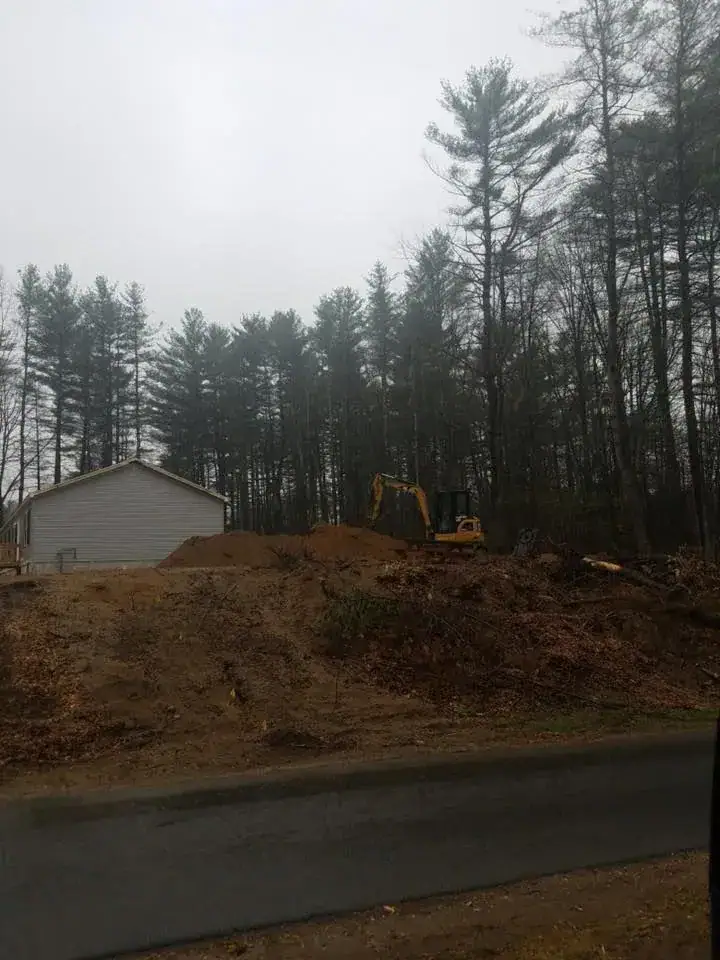
The internet makes DIY driveway paving look doable. Rent some equipment, order some asphalt, spend a weekend working, and save thousands of dollars. Except it doesn’t work that way.
Asphalt needs to be applied at temperatures between 250 and 300 degrees Fahrenheit. It cools quickly, which means you have a narrow window to spread, level, and compact it properly. If you’re working with a small crew or doing it solo, the asphalt will cool before you finish, leading to weak spots and poor compaction. Professional crews work fast because they have the manpower and experience to keep pace with the material.
Base preparation is another area where DIY projects fall apart. The base is the foundation of your entire driveway. It needs to be excavated to the right depth, filled with the correct type of aggregate, graded for proper drainage, and compacted to specific density. Miss any of those steps, and your driveway will sink, shift, or crack under the weight of vehicles. Most homeowners don’t have access to the heavy compaction equipment required to do this correctly.
Then there’s drainage. Water is the enemy of pavement. If your driveway doesn’t slope away from your home and garage, water will pool, seep into the base, and cause erosion. In winter, that water freezes and accelerates damage. We use laser levels and grading tools to ensure proper slope. DIYers often eyeball it, and that’s where problems start.
Mistakes aren’t just cosmetic. Improper grading can cause water to drain toward your foundation, leading to basement flooding and structural damage. Inadequate compaction leads to sinking and rutting. Thin asphalt cracks under pressure. And once these issues appear, fixing them costs more than hiring a professional from the start.
Not all paving contractors are created equal. Some deliver quality work and stand behind it. Others take your money, do subpar work, and disappear when problems arise.
Start by looking for contractors with a proven track record in your area. Local experience matters because they understand regional soil conditions, climate challenges, and building codes. Ask for references and actually call them. Drive by recent projects if possible. A reputable contractor will have no problem showing you their work.
Check for proper licensing and insurance. A licensed contractor has met state requirements and can be held accountable if something goes wrong. Insurance protects you from liability if someone gets injured on your property during the project. If a contractor can’t provide proof of both, walk away.
Get multiple estimates, but don’t automatically choose the lowest bid. If one quote is significantly lower than the others, there’s usually a reason—cheap materials, rushed labor, or corners being cut. A suspiciously low price often means you’ll pay more later in repairs or replacement.
Ask about the process. A good contractor will explain how they prepare the site, what materials they use, how thick the asphalt will be, and how they handle drainage. They’ll answer your questions without dodging or rushing you. Transparency is a trust signal. If they’re vague or pushy, that’s a red flag.
Finally, get everything in writing. The contract should specify the scope of work, materials, timeline, cost, and payment schedule. It should include details like asphalt thickness, base preparation, and any warranties. A written agreement protects both parties and ensures there’s no confusion about what you’re paying for.
A professionally paved driveway is one of those investments that pays you back in multiple ways. It boosts curb appeal, increases property value, provides a safe and durable surface, and eliminates the constant maintenance headaches that come with gravel or deteriorating pavement.
The key is doing it right the first time. That means working with an experienced contractor who understands your local climate, uses quality materials, and follows proven installation methods. It means avoiding the temptation to go with the lowest bid or attempt a DIY project that’s beyond your skill level.
If you’re ready to upgrade your driveway and want honest, transparent service from a team that’s been serving the Saratoga Springs and Capital District region for over 25 years, we’re here to help. From the first conversation to the final pass of the roller, you’ll work directly with professionals who care about quality and stand behind their work.
Summary:
Share: