Asphalt paving company also offering concrete work, excavating, and snow removal services.
Contact Info
-
130 Co Rd 70
Stillwater, NY 12170 - Call: 518-935-3068
- Text: 518-935-3068
- Mon - Sun: 7am - 7pm
Contact Info
Thinking about a new driveway? Eco-friendly asphalt options combine sustainability with durability, offering recycled materials and permeable surfaces that reduce your carbon footprint without sacrificing performance.
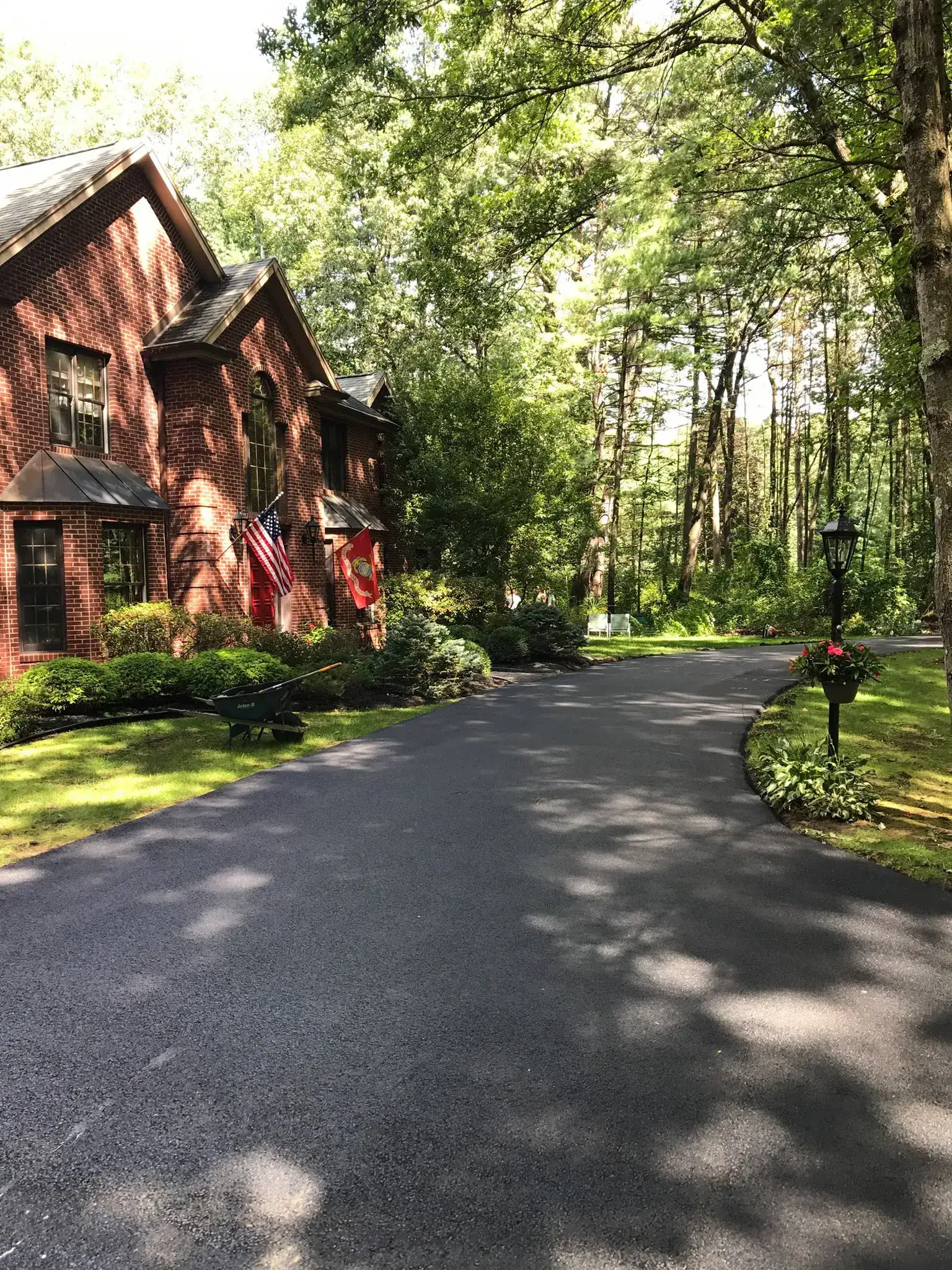
Asphalt has quietly become America’s most recycled material. About 80 million tons of asphalt pavement are recycled annually in the United States—more than aluminum, glass, and plastic combined. When old driveways and roads are milled up, roughly 94% of that reclaimed material goes directly back into new pavement projects.
This isn’t just feel-good marketing. Recycled asphalt pavement, or RAP, performs as well as—and in some cases better than—brand new materials. The aged binder in recycled asphalt has already gone through years of curing, which can actually improve stiffness and reduce cracking. You get a durable surface while conserving the natural resources typically needed for new aggregate, sand, and gravel.
The numbers tell the story. Using RAP in asphalt mixes replaces more than 21 million barrels of oil per year across the country. Production temperatures for eco-friendly warm-mix asphalt run 20 to 40 degrees lower than traditional hot-mix, cutting greenhouse gas emissions during manufacturing. Lower temperatures also mean less fuel consumption during transport and faster project completion since the material cools more quickly.
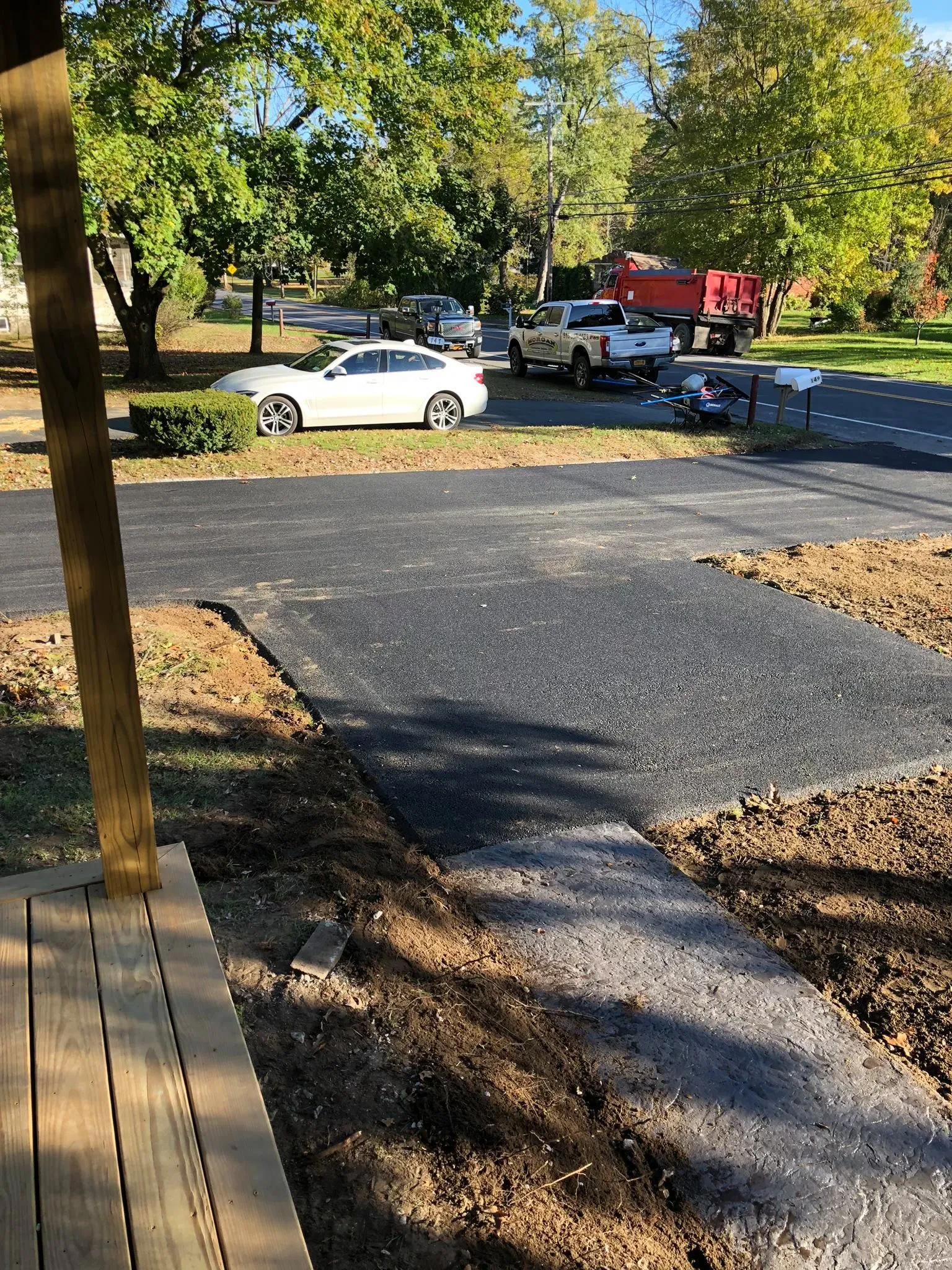
When you choose recycled asphalt for driveway paving, you’re making a measurable impact on carbon emissions. Recent studies show that combining recycled asphalt pavement with warm-mix asphalt technology reduces CO2 emissions by 12% and cuts energy consumption by 15% throughout the pavement’s life cycle. Some low-temperature asphalt mixes push those numbers even higher, with carbon dioxide reductions ranging from 18% to 36%.
The carbon footprint benefits start at the source. Traditional asphalt production requires heating aggregates to high temperatures, which accounts for about 97% of total energy consumption in the mixing process. Warm-mix technologies and recycled content reduce that energy demand significantly. Less heat means less fuel burned, fewer emissions released, and a smaller environmental impact before the first truck even arrives at your property.
Asphalt’s carbon is never burned—it remains sequestered in the pavement itself. The EPA recognizes asphalt pavements as efficient carbon sinks because that petroleum-based binder stays locked in place rather than being released into the atmosphere. When the driveway eventually needs replacement decades later, the material gets recycled again, creating a truly circular system.
For properties in Saratoga County, NY and Warren County, NY, this matters beyond environmental responsibility. Choosing lower-carbon materials positions your property well as municipalities increasingly track and regulate construction emissions. Some areas already offer incentives for sustainable building practices, and that trend is expanding.
The durability factor compounds these benefits. Recycled asphalt hardens over time, creating a weather-resistant surface that handles freeze-thaw cycles without deteriorating quickly. Fewer repairs mean less maintenance and reduced need for future materials—all of which multiply the carbon savings over the driveway’s lifetime.
Porous pavement represents a fundamental shift in how driveways handle water. Instead of forcing rainwater and snowmelt to run off into storm drains, permeable surfaces let water pass through the pavement and infiltrate into the ground below. This isn’t just environmentally preferable—it solves real problems that traditional impermeable driveways create.
The EPA recognizes porous asphalt pavements as best practice for stormwater management, and for good reason. When rain hits a conventional asphalt or concrete driveway, it picks up petroleum residue, pesticides, and other pollutants as it rushes toward storm drains. That contaminated runoff flows directly into local waterways without treatment. Permeable surfaces change that equation entirely. Water filtering through the pavement and underlying stone base gets naturally cleaned by microorganisms in the soil before reaching groundwater or aquifers.
Permeable pavement systems typically include a porous surface layer—whether that’s porous asphalt, pervious concrete, or pavers with open joints—sitting atop a stone aggregate base. This base layer acts as a reservoir, temporarily holding water and allowing it to gradually infiltrate into the subsoil. Some systems can pass water through as much as 40% of the surface area. The result is dramatically reduced runoff, which helps prevent flooding, erosion, and the strain on municipal stormwater systems.
For homeowners dealing with drainage issues, permeable driveway paving offers tangible benefits. Standing water that leads to ice patches in winter disappears. The risk of water pooling near your foundation drops significantly. And in areas prone to heavy rainfall or rapid snowmelt—common in upstate New York—permeable surfaces help manage that water on-site rather than overwhelming drainage systems or damaging your property.
The installation does require proper planning. Soil conditions matter, since water needs somewhere to go once it passes through the pavement. Areas with high water tables or poor drainage may need additional engineering. And the base preparation is critical—typically requiring 8 to 14 inches of clean stone aggregate to provide both structural support and water storage capacity.
Cost considerations are real but not as prohibitive as you might expect. Porous asphalt or pervious concrete typically costs 50% more than conventional counterparts for initial installation. But that premium shrinks when you factor in reduced need for separate drainage infrastructure, potential municipal incentives, and long-term maintenance savings. More importantly, permeable pavement can prevent expensive problems like foundation damage from poor drainage or flooding during heavy storms.
One practical advantage often overlooked: porous asphalt can reduce nighttime surface temperatures compared to impermeable pavements, helping counter the urban heat island effect. In residential neighborhoods, that means a cooler driveway surface in summer and potentially less snow and ice buildup in winter since water drains rather than pooling and freezing.
Want live answers?
Connect with a Morgan Construction expert for fast, friendly support.
Green construction for driveway paving goes beyond just choosing recycled materials. It encompasses the entire process—from site preparation and base construction to installation techniques and long-term maintenance planning. The goal is reducing environmental impact at every stage while delivering a driveway that performs better and lasts longer.
Proper base preparation is where sustainable practices and structural integrity intersect. A well-constructed base using locally-sourced aggregate reduces transportation emissions while ensuring your driveway can handle vehicle loads and weather extremes. Shortcuts here lead to premature failure regardless of what surface material you choose. The most eco-friendly driveway is one that doesn’t need replacement in five years because the base wasn’t done right.
Modern paving techniques also factor into sustainability. Warm-mix asphalt technologies allow installation at lower temperatures, which means reduced energy consumption and emissions during production. These mixes can often be transported longer distances without cooling too much, enabling use of regional plants and materials. In colder climates like New York, warm-mix asphalt can extend the paving season since it remains workable at lower ambient temperatures.

Understanding the installation process helps you evaluate contractors and know what quality work looks like. Sustainable driveway paving follows the same fundamental steps as traditional installation, with specific attention to environmental considerations and long-term performance.
The process starts with site assessment and planning. We examine soil conditions, existing drainage patterns, and how water currently moves across your property. This matters especially for permeable pavement systems, where understanding subsurface conditions determines whether the site is suitable and what modifications might be needed. In Saratoga County, NY and Warren County, NY, dealing with seasonal freeze-thaw cycles and variable soil conditions requires experience and honest assessment.
Excavation and base preparation come next. The existing surface gets removed—and if there’s old asphalt, it should be recycled rather than sent to a landfill. The subgrade gets properly graded and compacted to create a stable foundation. For permeable systems, this stage includes installing the stone aggregate base that will store and drain water. The depth and type of aggregate depend on your soil conditions and expected water infiltration rates.
Material delivery and installation happen quickly once prep work is complete. Asphalt needs to be laid while hot, so timing and coordination matter. A quality crew works efficiently to place, spread, and compact the material before it cools. For warm-mix asphalt, the working window is slightly extended due to lower temperatures, but the principle remains the same—proper compaction while the material is workable is essential for long-term performance.
The environmental advantages of asphalt show up here too. Unlike concrete, there’s no cure time. You can typically use your new driveway within 24 to 48 hours. That means less disruption, fewer days with construction equipment idling, and faster project completion. The quick turnaround reduces the overall carbon footprint of the installation process.
Post-installation care is straightforward but important. New asphalt should be protected from heavy loads for the first few days as it fully cures. After that, normal use is fine. For permeable pavements, occasional maintenance—typically vacuum sweeping to prevent sediment from clogging the pores—keeps the system functioning properly. This maintenance is less intensive than it sounds and can often be handled during regular property upkeep.
One aspect that separates quality contractors from corner-cutters is attention to drainage details. Even with permeable pavement, you want proper grading to direct water appropriately. Edge details matter. Transitions to walkways, garage floors, or other surfaces need careful execution. These aren’t just aesthetic concerns—they affect how well your driveway performs and how long it lasts.
A properly installed eco-friendly asphalt driveway can last 20 years or more with appropriate maintenance. That longevity is key to the environmental case—a driveway that lasts twice as long has half the lifetime carbon footprint per year of use. Understanding what affects durability and how to maintain your investment ensures you get those decades of reliable performance.
Recycled asphalt performs as well as virgin materials when it comes to weather resistance. The material handles freeze-thaw cycles, temperature fluctuations, and heavy use without premature deterioration. In fact, the aged binder in recycled asphalt can provide better cracking resistance due to added mineral fillers and organic fibers from the recycled content. This makes it particularly well-suited for harsh upstate New York winters where temperature swings stress pavement.
Maintenance requirements for eco-friendly driveways are comparable to or lower than traditional options. Sealcoating every two to three years protects the surface from UV damage, water infiltration, and petroleum spills. This isn’t unique to sustainable options—all asphalt benefits from periodic sealing. The difference is that properly installed recycled asphalt often requires less frequent repair since the material’s improved characteristics reduce common failure modes.
For permeable pavement systems, maintenance focuses on keeping the pores open and functional. Vacuum sweeping once or twice a year prevents sediment buildup that could clog the permeable structure. This is less intensive than it sounds—specialized equipment can clean the surface quickly, and some property owners handle it as part of regular seasonal maintenance. The payoff is continued excellent drainage performance and avoiding the standing water issues that plague conventional driveways.
Addressing minor repairs promptly prevents small problems from becoming major expenses. Small cracks can be filled, isolated damage can be patched, and surface wear can be addressed with overlays. The recyclability of asphalt means repair materials can incorporate reclaimed content just like the original installation. When the driveway eventually reaches end of life decades down the road, the entire surface can be milled up and recycled into new pavement, closing the loop on the circular economy.
The economic case for sustainable options becomes clearer over time. While permeable pavement or high-RAP-content mixes might cost slightly more upfront, the combination of lower maintenance needs, reduced drainage infrastructure costs, and longer service life often results in lower total cost of ownership. Factor in potential property value increases and municipal incentives for green infrastructure, and the financial picture tilts further in favor of sustainable choices.
Weather performance deserves specific mention for properties in Saratoga and Warren counties. Freeze-thaw cycles are the primary enemy of pavement durability. Water infiltrating cracks, freezing, expanding, and creating larger cracks is how driveways fail prematurely. Permeable pavement reduces this risk by allowing water to drain through rather than pooling on the surface. Proper base construction and quality materials handle the freeze-thaw stress that’s inevitable in this climate. Choosing experienced local contractors who understand these conditions and build accordingly makes the difference between a driveway that lasts and one that needs replacement in a few years.
Sustainable driveway paving combines environmental responsibility with practical performance. Recycled asphalt, permeable surfaces, and green construction methods aren’t experimental—they’re proven approaches that deliver durability while reducing carbon emissions and managing stormwater better than traditional options.
The key is working with contractors who understand both the materials and the local conditions. Proper installation matters more than any single material choice. A well-built driveway using recycled content and sustainable practices will outperform a poorly installed conventional driveway every time.
For properties in Saratoga County, NY and Warren County, NY, choosing eco-friendly asphalt makes sense from multiple angles—environmental impact, long-term cost, drainage management, and future-proofing against evolving regulations. We bring over 25 years of experience to sustainable paving projects, with an owner-led approach that ensures your driveway is built right from the start. When you’re ready to move forward with a driveway that performs and protects your investment, reach out to discuss what makes sense for your property.
Summary:
Share: