Asphalt paving company also offering concrete work, excavating, and snow removal services.
Contact Info
-
130 Co Rd 70
Stillwater, NY 12170 - Call: 518-935-3068
- Text: 518-935-3068
- Mon - Sun: 7am - 7pm
Contact Info
Your parking lot's lifespan depends on how you maintain it. Discover the maintenance strategies that protect your investment and prevent costly failures.

Asphalt isn’t invincible. It’s a mix of aggregate and binder that holds up remarkably well under pressure—until the elements get involved.
Water is the biggest threat. When it seeps through cracks and reaches the base layer, it doesn’t just sit there. In Saratoga County, NY and Warren County, NY, that water freezes during winter, expands, and literally pushes the pavement apart from the inside. Come spring, you’re left with wider cracks, shifting sections, and the beginning of structural failure.
UV exposure is the silent killer. Sunlight breaks down the oils in asphalt, making it brittle and prone to cracking. Add in oil spills, salt from winter de-icing, and constant traffic wear, and your pavement is under attack from multiple directions at once.
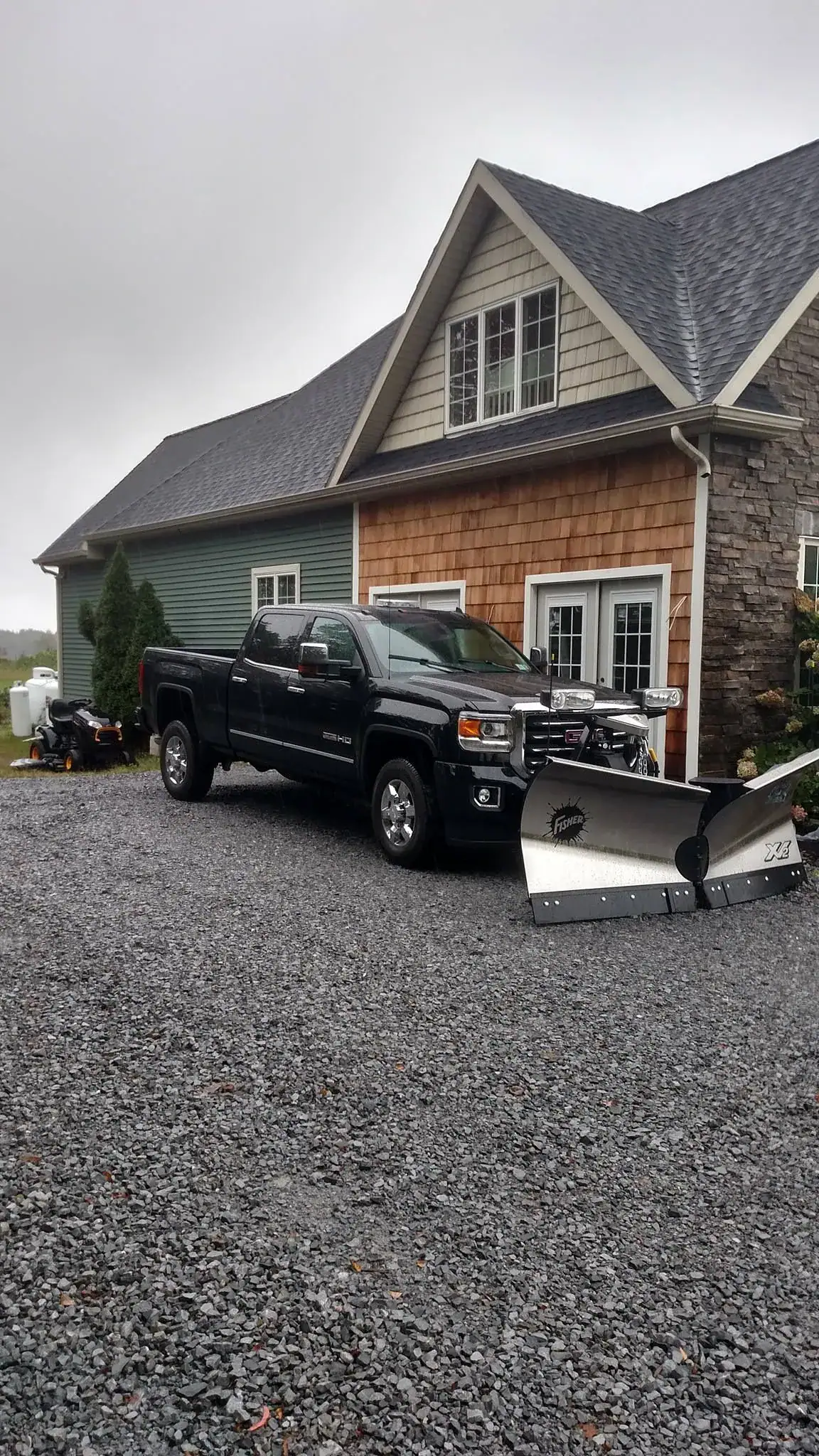
The standard answer is 20 to 30 years—but that’s only true with proper maintenance. Without it, you’re looking at deterioration within 5 years and structural failure by year 10.
Here’s what the research shows. A well-maintained parking lot can serve you for 25 years or more. But neglected pavement loses 10% of its structural integrity within the first decade. By year 20, you’ve lost nearly half of its original strength. That’s not a gradual decline—it’s an accelerating problem that gets exponentially more expensive the longer you wait.
Traffic load plays a role too. A parking lot serving passenger vehicles will outlast one handling delivery trucks and heavy equipment. But even light-traffic lots fail prematurely when maintenance is deferred. The key factor isn’t how much use your pavement gets—it’s whether you’re protecting it from the environmental damage that happens regardless of traffic volume.
The difference between a 15-year lifespan and a 25-year lifespan often comes down to a few simple interventions at the right time. Crack sealing when cracks first appear. Sealcoating every 2-3 years. Pothole repair before base damage occurs. These aren’t optional extras—they’re the difference between preserving your investment and replacing it a decade early.
Think about the math. An 81,000 square foot parking lot costs around $15,000 to sealcoat. Resurfacing that same lot? $130,000. That’s nearly nine times the cost, and it’s completely avoidable with a proactive maintenance schedule.
Property managers in Saratoga Springs, Clifton Park, Glens Falls, and Lake George see this pattern repeatedly. The lots that last are the ones that receive consistent attention. The ones that fail early are the ones where maintenance was treated as optional until the damage became impossible to ignore.
If you manage property in New York, you already know winters are brutal. But you might not realize just how much damage those freeze-thaw cycles cause to your parking lot.
Water infiltrates through cracks—even hairline cracks you barely notice. Once it reaches the base layer, it’s trapped. When temperatures drop below freezing, that water expands by about 9%. That expansion creates pressure that pushes against the asphalt from underneath, widening cracks and breaking bonds between the pavement and the base.
Then spring arrives. The ice melts, leaving behind voids and weakened areas. Traffic rolls over those weak spots, and suddenly you’ve got potholes. The cycle repeats every winter, and each time, the damage compounds.
This is why timing matters so much. Crack sealing before winter gives you a fighting chance. Once water gets in and freezes, the damage is done. You’re not preventing deterioration anymore—you’re reacting to it.
Snow removal makes it worse. Plow blades scrape across the surface, gouging into already-weakened pavement. Salt accelerates chemical breakdown. By the time March rolls around, your parking lot has taken months of punishment.
Property owners in Warren County and Saratoga County can’t avoid winter. But you can prevent the worst of the damage by sealing cracks in late summer or early fall, before the first freeze. That single step stops water infiltration and protects your base layer through the harshest months.
The alternative is spending every spring patching potholes and watching your pavement deteriorate faster than it should. One approach is proactive. The other is expensive.
Want live answers?
Connect with a Morgan Construction expert for fast, friendly support.
Preventative maintenance isn’t about making your parking lot look nice—though that’s a side benefit. It’s about stopping small problems before they become structural failures.
The three core strategies are crack sealing, sealcoating, and pothole repair. Each one addresses a specific threat to your pavement. Miss one, and you’re leaving a vulnerability that will cost you later.
The return on investment is measurable. Studies show that every $2 spent on preventative maintenance saves $6 to $10 in future repair costs. That’s not marketing spin—it’s data from the National Asphalt Pavement Association and property managers who’ve tracked their spending over decades.
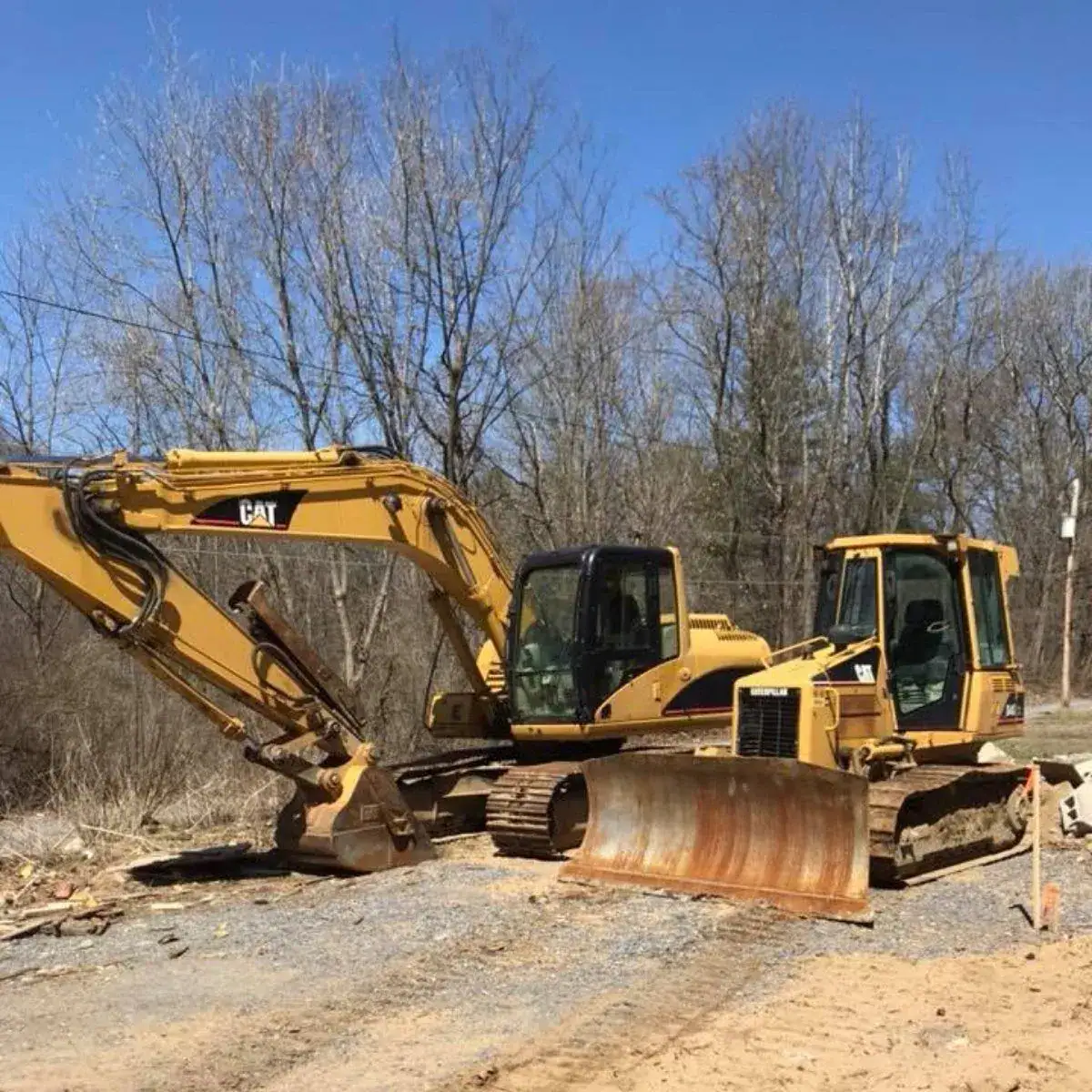
Cracks don’t heal themselves. They grow. And every crack in your parking lot is an entry point for water, dirt, and debris that will accelerate deterioration.
Crack sealing involves cleaning out the crack and filling it with hot rubberized sealant. The material flexes with temperature changes, staying bonded to the asphalt even as it expands and contracts. Done properly, it creates a watertight barrier that prevents infiltration.
The best time to seal cracks is when they first appear—before they widen, before water gets in, before freeze-thaw damage begins. A hairline crack costs a few dollars per linear foot to seal. Wait until it becomes a pothole, and you’re looking at hundreds of dollars to repair, plus potential base damage that requires even more extensive work.
Property managers often ask how often crack sealing should be done. The answer depends on your pavement’s condition and age, but annual inspections are smart. Catch new cracks early, seal them before winter, and you’ve eliminated one of the primary causes of pavement failure.
Some cracks indicate deeper problems. Alligator cracking—those interconnected cracks that look like reptile skin—usually signals base failure. At that point, crack sealing won’t solve the issue. You’re looking at patching or resurfacing. But for linear cracks, edge cracks, and minor surface cracks, sealing is a straightforward, cost-effective solution.
In Saratoga County, NY, where temperature swings are dramatic, crack sealing is essential. The difference between daytime heat and nighttime cold causes constant expansion and contraction. Sealed cracks handle that movement. Unsealed cracks widen with every cycle.
Sealcoating is a protective layer applied over asphalt to shield it from UV rays, oil, salt, and water. Think of it as sunscreen for your parking lot—it doesn’t repair existing damage, but it prevents new damage from occurring.
The process involves cleaning the surface, applying a coal tar or asphalt-based emulsion, and allowing it to cure. Most commercial lots receive two coats for maximum protection. The result is a dark, uniform finish that not only looks professional but extends pavement life by years.
Here’s the timeline. New asphalt should be sealed about 12 months after installation, once it’s fully cured. After that, reapply every 2 to 3 years depending on traffic and weather exposure. High-traffic areas may need more frequent applications. Low-traffic sections can go longer between coats.
Sealcoating does several things. It replenishes the oils in asphalt that break down from sun exposure, keeping the surface flexible instead of brittle. It creates a barrier against oil and gas spills that would otherwise penetrate and weaken the pavement. It sheds water instead of allowing it to soak in. And it slows oxidation, which is the chemical process that turns asphalt gray and fragile.
The cost is minimal compared to the protection it provides. For a typical commercial lot, sealcoating runs around $0.19 per square foot. Compare that to resurfacing at $1.60 per square foot, and the value becomes obvious. You’re spending pennies to avoid dollars.
Property owners sometimes skip sealcoating because the lot “still looks fine.” That’s a mistake. By the time visible damage appears, oxidation has already weakened the surface. Sealcoating works best as a preventative measure, not a repair strategy. Apply it while your pavement is still in good condition, and you’ll keep it that way far longer.
In Warren County, NY, where winter salt and summer heat both take their toll, sealcoating is one of the smartest investments you can make. It’s not glamorous, but it works.
Your parking lot is an asset, not an afterthought. Treat it like one, and it’ll serve you for decades. Ignore it, and you’ll be replacing it years earlier than necessary—at a cost that could’ve funded a decade of maintenance.
The strategy is straightforward. Inspect annually. Seal cracks before winter. Sealcoat every 2-3 years. Repair potholes immediately. These aren’t complicated steps, but they require consistency and the right contractor.
If you’re managing commercial property in Saratoga County or Warren County and you want a partner who understands pavement longevity, we bring 25+ years of hands-on experience to every project. Honest assessments, competitive pricing, and owner-level involvement from start to finish. Reach out when you’re ready to protect your investment the right way.
Summary:
Article details:
Share: