Asphalt paving company also offering concrete work, excavating, and snow removal services.
Contact Info
-
130 Co Rd 70
Stillwater, NY 12170 - Call: 518-935-3068
- Text: 518-935-3068
- Mon - Sun: 7am - 7pm
Contact Info
Not all asphalt contractors bring the same skills to your project. Discover the critical capabilities that protect your investment and deliver results that last.
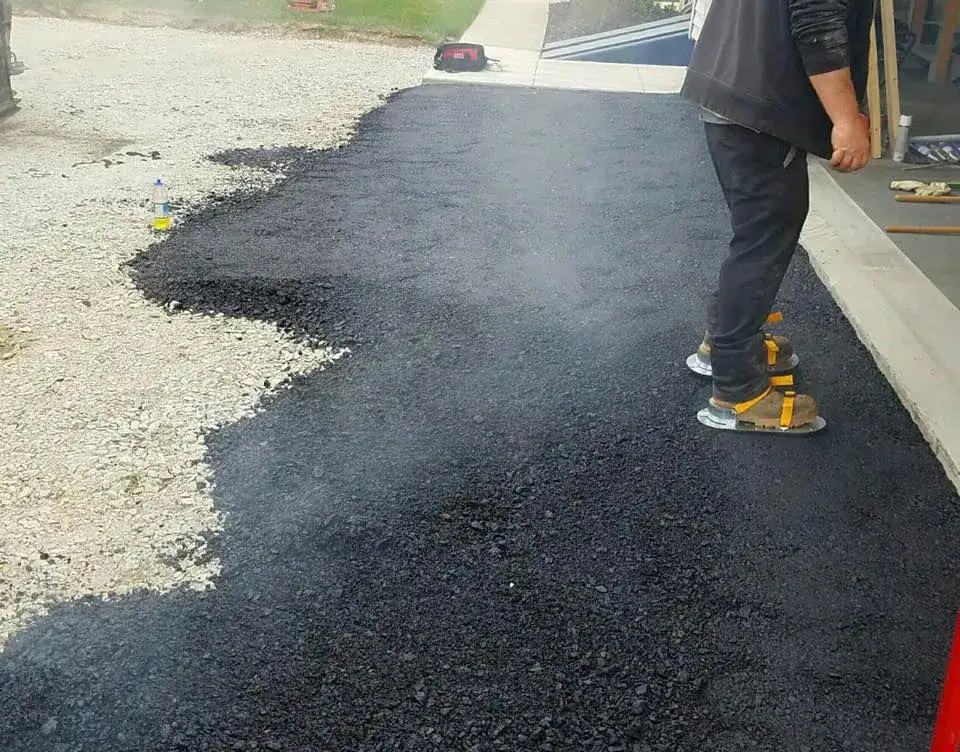
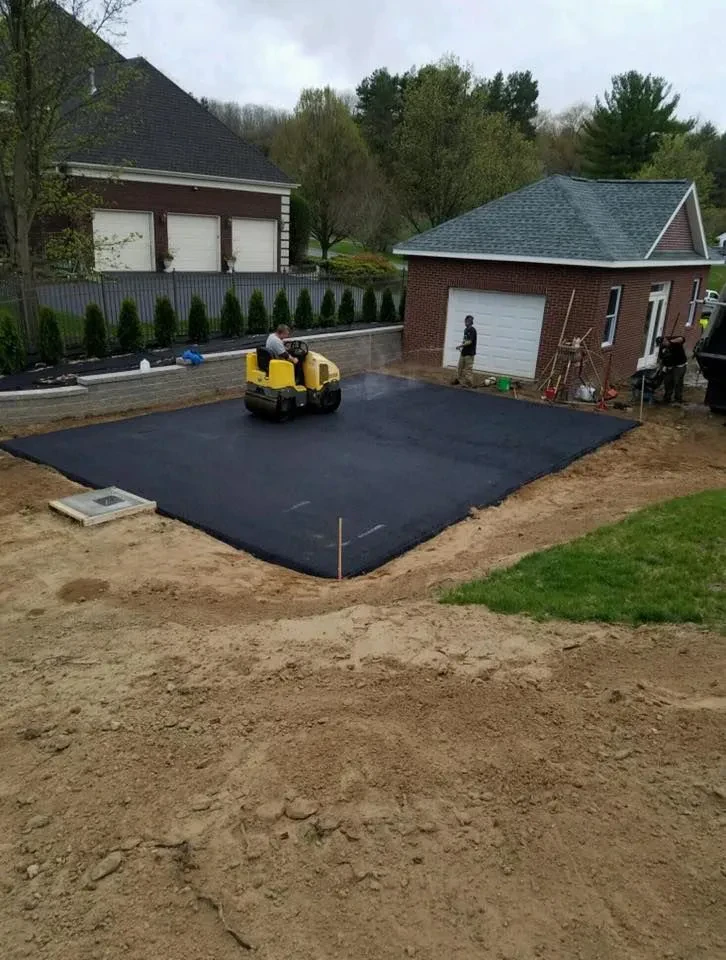
Asphalt paving isn’t a shovel-and-rake operation. It requires specialized equipment, and more importantly, it requires people who know how to operate that equipment correctly. We’re talking about milling machines, asphalt pavers with floating screeds, vibratory rollers, material transfer vehicles, and dump trucks that need precise coordination.
A contractor who owns and maintains their equipment is already ahead of the game. When we own our equipment, we’re not scrambling to rent machinery or dealing with price fluctuations that get passed to you. We also maintain it better, which means fewer breakdowns and delays on your project.
But ownership alone isn’t enough. The crew operating that equipment needs real training and experience. Ask how long the operators have been running pavers. Ask about the process for screed adjustments, compaction sequencing, and material temperature management. If you get vague answers, that’s a red flag.
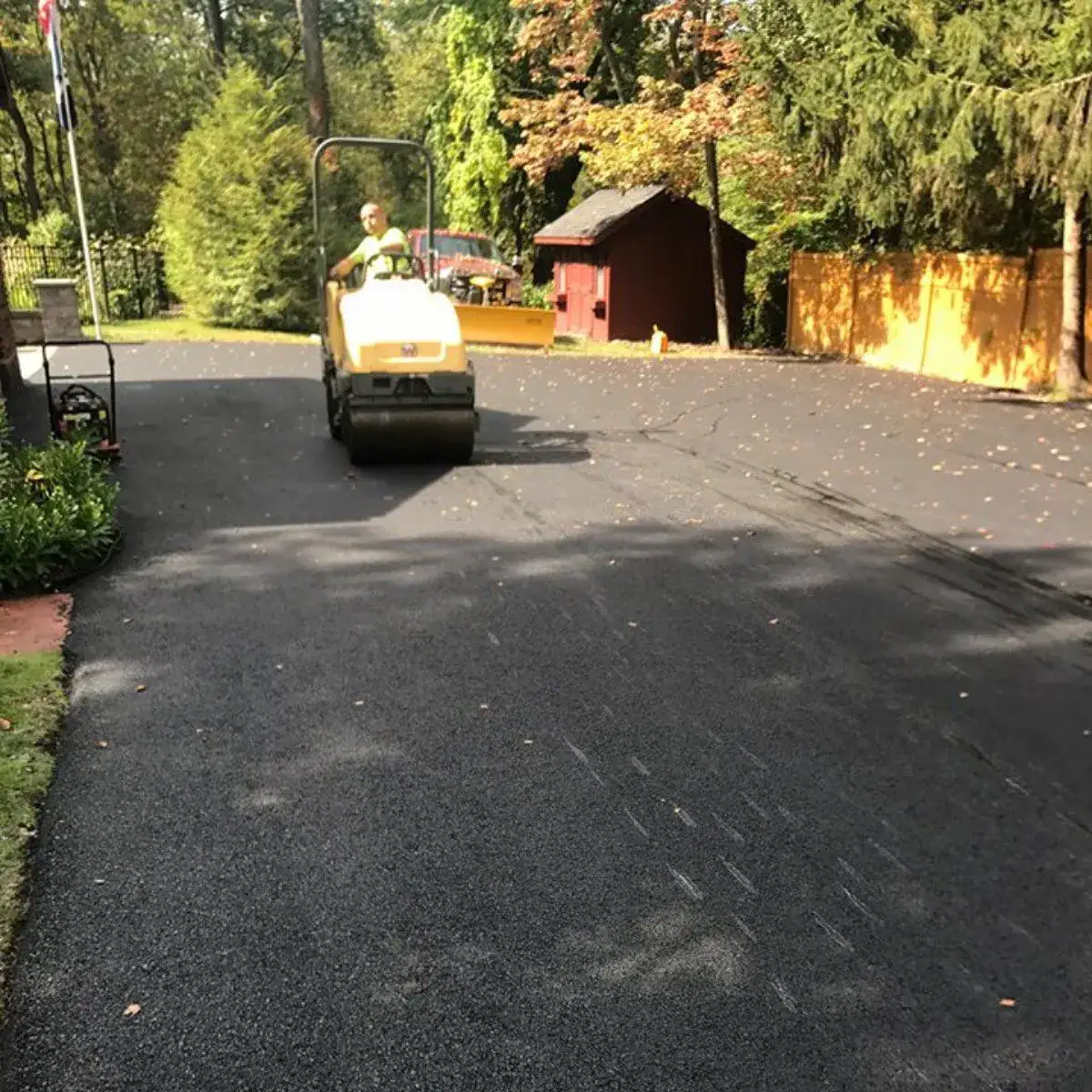
A full-service asphalt contractor should have access to a complete lineup of paving equipment, and ideally, we should own most of it outright. That includes cold milling machines for removing old pavement layers, asphalt pavers equipped with adjustable screeds for laying material evenly, and both steel-wheeled and pneumatic rollers for proper compaction.
Dump trucks are essential for transporting hot mix asphalt from the plant to your site. Some contractors use standard end-dump trucks, while others invest in live-bottom trucks that reduce material segregation. Material transfer vehicles, sometimes called shuttle buggies, help maintain consistent paving speed and reduce temperature loss. Sweepers clean milled surfaces so the new asphalt bonds properly.
You’ll also see skid steers, excavators, and graders on site prep jobs. These machines handle grading, drainage work, and base preparation. If a contractor doesn’t have this equipment and relies entirely on subcontractors or rental companies, you’re adding layers of coordination risk and potential cost overruns. It’s not a dealbreaker, but it’s worth understanding who’s actually doing the work and whether the contractor has direct control over the process.
Beyond the equipment itself, pay attention to how it’s maintained. Well-kept machinery runs reliably and produces better results. Ask to see the equipment before the job starts. If it looks beaten up or poorly maintained, that tells you something about how the contractor runs their operation. We treat our equipment as an investment, not a disposable tool, and that’s the standard you should expect from any professional contractor.
Operating a paver isn’t like driving a truck. The operator controls material flow, screed temperature, paving speed, and auger distribution, all while keeping the machine moving at a consistent pace. Small mistakes—like uneven material head, inconsistent speed, or improper screed angle—create surface problems that show up immediately or cause premature failure down the road.
Roller operators need to understand compaction patterns, how many passes to make, when to switch from breakdown rolling to intermediate and finish rolling, and how temperature affects compaction. Over-compacting can push material around. Under-compacting leaves air voids that let water infiltrate and cause cracking. The operator’s judgment and experience make the difference between pavement that lasts 20 years and pavement that starts failing in five.
Milling machine operators control depth, width, and surface texture. They need to maintain consistent grade and avoid gouging or leaving high spots that complicate the paving process. Dump truck drivers have to coordinate timing so the paver never runs out of material, which would create cold joints and weak spots in the finished surface.
This is why crew experience matters so much. A contractor with long-term employees who’ve worked together for years will deliver smoother coordination and better results than a contractor who hires day laborers or rotates through temporary crews. Ask how long the key operators have been with the company. Ask if they’ll be using their own employees or subcontractors. The answers tell you a lot about what you’re actually paying for.
Want live answers?
Connect with a Morgan Construction expert for fast, friendly support.
Safety isn’t just about avoiding accidents. It’s about whether a contractor understands the regulations, follows proper procedures, and protects both their crew and your property. Asphalt work involves hot materials, heavy equipment, fume exposure, and physical hazards. Contractors who take safety seriously tend to take quality seriously too.
OSHA doesn’t have a specific standard for asphalt fumes, but we still need to follow personal protective equipment requirements, provide proper respiratory protection when needed, and train workers on handling hot materials. We maintain safety protocols for equipment operation, traffic control, and site management.
Insurance and workers’ comp coverage aren’t optional. If a contractor doesn’t carry proper insurance and someone gets hurt on your property, you could be held liable. Always verify coverage before any work starts.
Certifications aren’t just paperwork. They demonstrate that a contractor or their crew has invested time in formal training and understands industry best practices. The Asphalt Institute offers Paving Inspector Certification (PIC), which covers everything from material sampling to compaction testing to project documentation. Contractors or crew members with this certification understand what makes asphalt pavement succeed or fail.
OSHA safety certifications show that workers have been trained on hazard recognition, proper PPE use, and emergency response. For projects involving certain materials or techniques, contractors may need specialized certifications related to environmental permits, nuclear gauge operation for density testing, or concrete field testing if the project includes both asphalt and concrete work.
In New York, contractors need proper state licensing and may need additional permits depending on the project scope. Some projects require DOT prequalification or compliance with NYSDOT specifications. If your contractor can’t produce documentation of their licensing and certifications, that’s a problem. Reputable contractors keep this information current and provide it without hesitation.
Don’t just take their word for it. Ask to see copies of certifications, licenses, and insurance certificates. Check expiration dates. Verify that the coverage amounts are adequate for your project size. A contractor who balks at providing this documentation either doesn’t have it or isn’t proud of what they’d show you. Either way, move on.
Good safety practices start before the crew arrives. A professional contractor conducts a pre-job safety meeting, identifies site-specific hazards, establishes traffic control plans, and makes sure everyone knows their role. We bring the right PPE—heat-resistant gloves, safety glasses, hearing protection, and respiratory protection if conditions warrant it.
During paving, we manage fume exposure by keeping workers upwind of hot asphalt, maintaining proper ventilation around kettles and pavers, and using lower-temperature mixes when possible. We control access to the work area to keep unauthorized people away from hot materials and moving equipment. We post clear signage, use cones and barriers, and coordinate with traffic if the project affects public access.
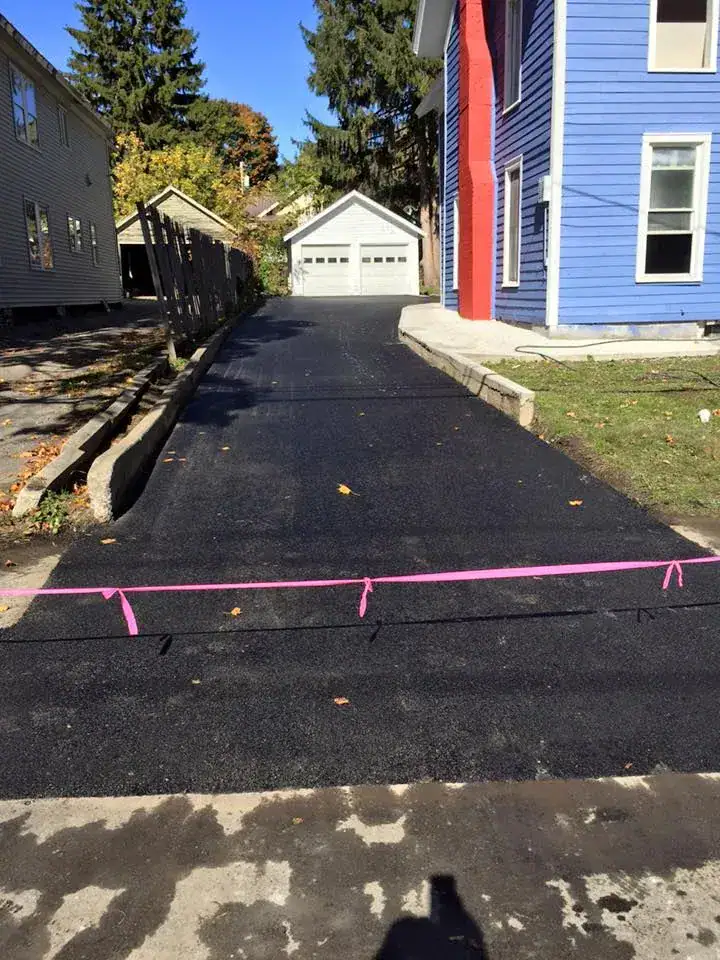
After paving, we manage the curing period properly. We mark off freshly paved areas, provide clear instructions on when vehicles can use the surface, and return to address any issues covered under warranty. We clean up thoroughly, removing debris and equipment, and leave your property in better condition than we found it.
Safety-conscious contractors also maintain detailed records. We document daily activities, weather conditions, material deliveries, and any issues that arise. This documentation protects both you and us if questions come up later about how the work was performed. It’s a sign of professionalism and attention to detail that carries through to the quality of the finished pavement.
The skills your asphalt contractor brings to your project determine whether you get pavement that lasts or pavement that becomes a recurring expense. Equipment expertise, operator experience, safety certifications, and thorough site assessment capabilities aren’t nice-to-haves. They’re the foundation of quality work that holds up through Saratoga County and Warren County winters.
Before you sign anything, verify licensing and insurance. Ask about equipment ownership and crew experience. Look for certifications that demonstrate real training, not just claims. Check references and read reviews from past clients who had similar projects. The time you spend vetting contractors upfront saves you from costly mistakes later.
When you’re ready to work with a contractor who brings 25+ years of hands-on experience, owner-operated accountability, and a track record of quality results across the region, reach out to us at Morgan Construction. We offer straightforward communication, competitive pricing, and work that’s done right the first time.
Summary:

Article details:
Share: