Asphalt paving company also offering concrete work, excavating, and snow removal services.
Contact Info
-
130 Co Rd 70
Stillwater, NY 12170 - Call: 518-935-3068
- Text: 518-935-3068
- Mon - Sun: 7am - 7pm
Contact Info
Your parking lot does more than move traffic—it shapes first impressions, protects your investment, and directly impacts your property's market value.
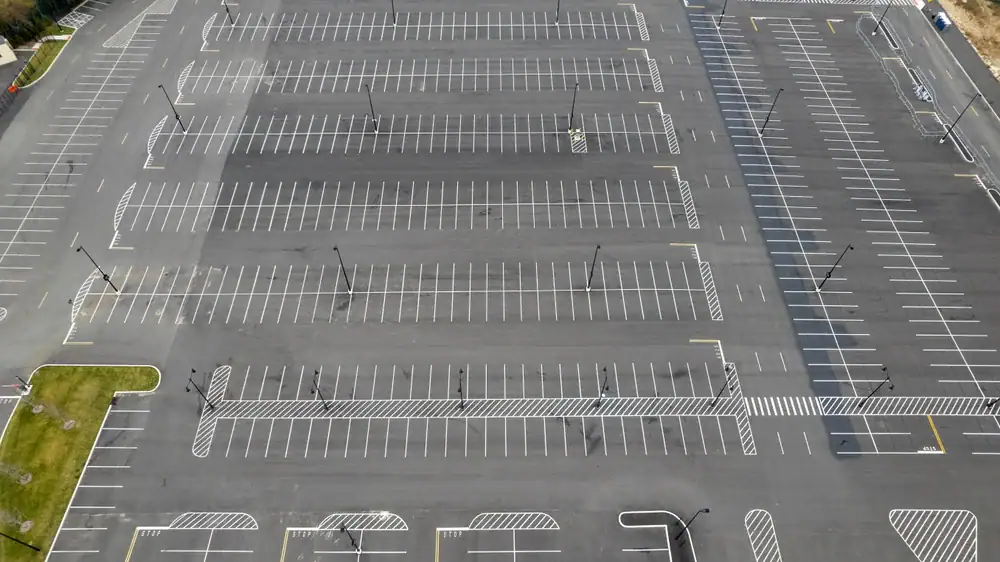
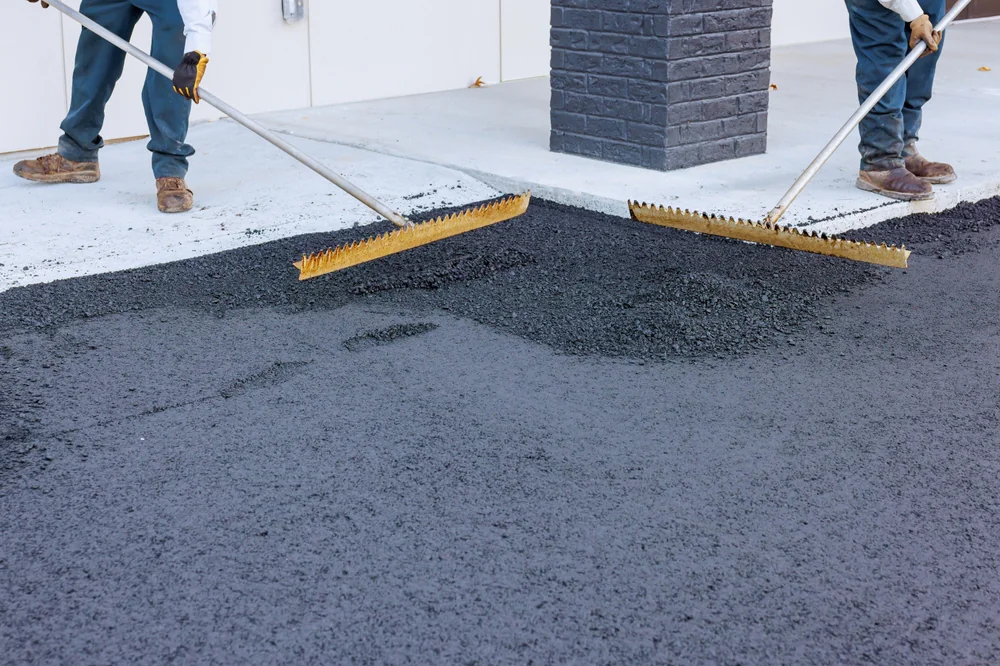
If your parking lot looks tired, resurfacing gives it new life without the cost of full replacement. Think of it as adding a fresh top layer over a solid foundation. The existing base stays intact, but the surface gets restored to smooth, dark, professional-grade asphalt.
Resurfacing works when your pavement shows surface wear—cracks, fading, minor unevenness—but the foundation underneath is still structurally sound. For commercial properties in upstate New York, where freeze-thaw cycles beat down asphalt year after year, resurfacing extends pavement life by 8 to 15 years when paired with regular maintenance.
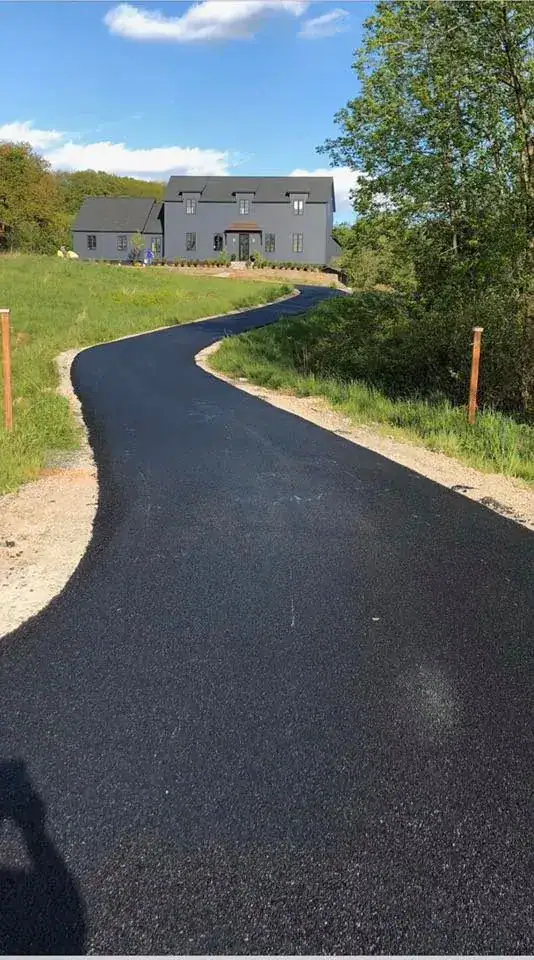
The visual transformation happens fast. That dull gray lot turns rich black again. Striping pops against the dark surface. Customers notice. Tenants notice. And if you’re looking to lease space or sell, that polished appearance signals that the property is cared for.
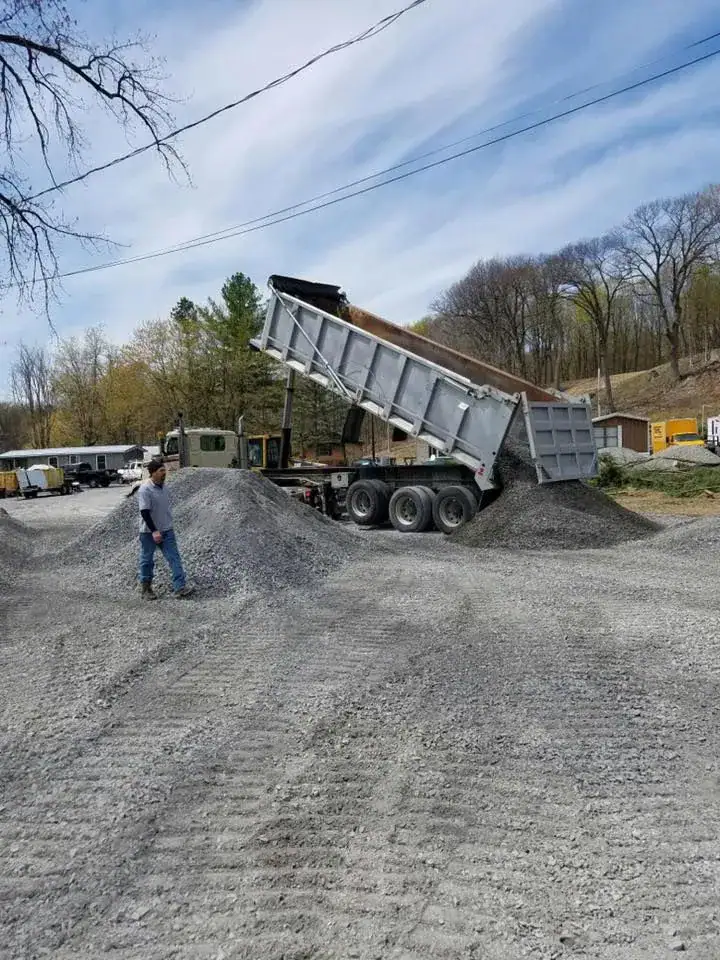
Resurfacing isn’t just cosmetic. It reinforces the pavement by adding a durable layer that redistributes vehicle weight more evenly across the surface. This matters especially for commercial lots handling delivery trucks, heavy traffic, or constant turning movements.
When done right, resurfacing seals out water. Water is asphalt’s enemy. It seeps into cracks, freezes during Saratoga County winters, expands, and creates bigger problems. A fresh surface layer stops that cycle before it starts.
Timing matters. Most commercial properties need resurfacing every 10 to 15 years, but high-traffic areas may need attention sooner. Watch for widespread surface cracking, fading that makes striping hard to see, or rough texture that customers complain about. Those are signals that resurfacing makes sense before you’re forced into full replacement.
Cost-wise, resurfacing typically runs 25 to 35 percent less than complete reconstruction. You’re paying for materials and labor to apply new asphalt, not for demolition, base repair, and total rebuild. For most commercial lots, projects wrap up in one to three days. That means minimal disruption to your business operations and faster return to normal traffic flow.
The key is catching problems early. If you wait until the base fails, resurfacing won’t help. You’ll need full reconstruction, which costs significantly more and takes longer. Regular inspections help you spot the right window—when the surface needs help but the foundation is still solid.
Not every parking lot qualifies for resurfacing. If your pavement has deep structural issues—base failure, severe settling, widespread alligator cracking—resurfacing just covers up problems that will resurface quickly. You need a professional assessment to know which route makes sense.
Here’s a simple test: if water pools in multiple areas after rain, that’s often a sign of base problems or poor grading. Resurfacing won’t fix drainage issues caused by foundation settling. You’ll need more extensive work to correct the grade and ensure water flows off the surface properly.
On the other hand, if your lot has surface-level wear but no major potholes, no significant settling, and decent drainage, resurfacing delivers excellent value. You get a like-new surface at a fraction of replacement cost.
For properties in Warren County, NY where winter weather accelerates wear, resurfacing also gives you a chance to upgrade your asphalt mix. Modern mixes include additives that improve flexibility in cold weather and resistance to salt and chemicals. That means better performance through harsh upstate winters.
One more consideration: if you’re planning other upgrades—new striping layout, ADA improvements, or drainage work—coordinate those with resurfacing. You’ll save money by doing everything at once, and you’ll get a cohesive result that looks intentional rather than piecemeal.
The bottom line? Resurfacing works when your foundation is good but your surface isn’t. It’s a smart middle ground that extends life, improves appearance, and costs far less than starting from scratch. Just make sure you’re working with someone who’ll tell you honestly whether your lot qualifies or needs more extensive work.
Want live answers?
Connect with a Morgan Construction expert for fast, friendly support.
ADA compliance isn’t optional. It’s federal law. And for commercial property owners, non-compliance creates real financial risk. First-time violations can result in fines up to $75,000. Repeat violations double that.
Beyond fines, there’s liability. If someone with a disability can’t safely access your property because parking spaces, slopes, or access aisles don’t meet standards, you’re exposed to lawsuits. Those cases are expensive to defend and often end in settlements that require you to fix the problems anyway—plus pay damages and legal fees.
The good news? ADA upgrades are straightforward when you know what’s required. And they often improve safety and usability for everyone, not just people with disabilities.

ADA requirements cover several aspects of parking lot design. The number of accessible spaces you need depends on your total parking count. For example, a lot with 26 to 50 spaces needs two accessible spots. Lots with 51 to 75 spaces need three. The requirements scale up from there, and at least one of every six accessible spaces must be van-accessible.
Each accessible space must be at least 96 inches wide with a 60-inch access aisle. Van-accessible spaces need a 96-inch access aisle to accommodate side-loading ramps. The access aisle can’t be sloped more than 1:48 in any direction—that’s roughly a 2 percent grade. Steeper slopes make it difficult or impossible for wheelchair users to safely exit vehicles.
Signage matters too. Every accessible space needs a sign with the International Symbol of Accessibility mounted at least 60 inches above the ground, measured to the bottom of the sign. Van-accessible spaces need additional signage indicating “van accessible.” These aren’t suggestions. They’re requirements that inspectors check.
Surface condition plays a role as well. Accessible spaces and access aisles must have firm, stable, slip-resistant surfaces. Cracked, uneven, or poorly maintained asphalt doesn’t meet the standard. If your lot has accessible spaces with significant surface damage, you’re technically out of compliance even if the layout and signage are correct.
One common mistake: property owners add accessible spaces but don’t ensure they’re located on the shortest accessible route to the building entrance. ADA requires that accessible parking be as close as possible to accessible entrances. If your accessible spaces are in the back corner of the lot while standard spaces sit near the door, you’re not compliant.
ADA compliance doesn’t have to blow your budget. The key is planning upgrades strategically, ideally when you’re already doing other paving work. If you’re resurfacing your lot, that’s the perfect time to adjust striping, correct slopes, and add compliant spaces. You’re already paying for equipment and labor on site. Adding ADA work costs far less than mobilizing a crew separately.
Start with a professional assessment. Local codes sometimes exceed federal ADA standards, so you need someone familiar with both. In New York, certain municipalities have additional requirements for accessible parking. A qualified contractor can walk your lot, identify gaps, and give you a clear scope of what needs fixing.
Prioritize the most visible and frequently used areas first. If budget is tight, focus on primary entrances and high-traffic parking zones. You still need to meet minimum ADA requirements across the property, but concentrating upgrades where they have the most impact makes sense.
Striping and signage are relatively inexpensive fixes. If your spaces are the right size and slope but lack proper markings or signs, you can achieve compliance quickly without major construction. On the other hand, if slopes are wrong or you need to reconfigure the lot layout, expect higher costs. Correcting drainage and grading requires more extensive work.
One often-overlooked benefit: ADA-compliant spaces improve usability for everyone. Parents with strollers, delivery personnel with hand trucks, and customers with temporary injuries all benefit from wider spaces, flatter slopes, and smooth surfaces. You’re not just checking a legal box. You’re making your property more accessible and user-friendly.
Finally, document everything. Keep records of inspections, upgrades, and maintenance. If someone files a complaint, you’ll want proof that you’ve addressed compliance proactively. Photos, invoices, and inspection reports show good faith and can help limit liability.
ADA compliance protects you legally, reduces risk, and improves your property’s appeal. It’s not glamorous, but it’s essential. And when done right, it blends seamlessly into a well-maintained parking lot that works better for everyone.
Commercial paving upgrades aren’t just maintenance. They’re investments that protect property value, reduce long-term costs, and create the kind of professional environment that attracts tenants and customers. Whether you’re resurfacing for curb appeal, upgrading for ADA compliance, or improving drainage to prevent costly damage, the right upgrades pay for themselves over time.
The key is working with someone who understands local conditions in Saratoga County, NY and Warren County, NY. Someone who knows how upstate winters affect asphalt. Someone who’ll give you honest guidance on what your property actually needs, not just what costs the most.
If your parking lot is showing its age or you’re not sure whether you’re ADA compliant, now’s the time to get answers. We bring over 25 years of hands-on experience to every project, with owner involvement from start to finish. Straightforward communication. Competitive pricing. And results that last.
Summary:
Article details:
Share: