Asphalt paving company also offering concrete work, excavating, and snow removal services.
Contact Info
-
130 Co Rd 70
Stillwater, NY 12170 - Call: 518-935-3068
- Text: 518-935-3068
- Mon - Sun: 7am - 7pm
Contact Info
Learn the top 5 reasons professional paving contractors save you money through proper installation, quality materials, and long-term durability.
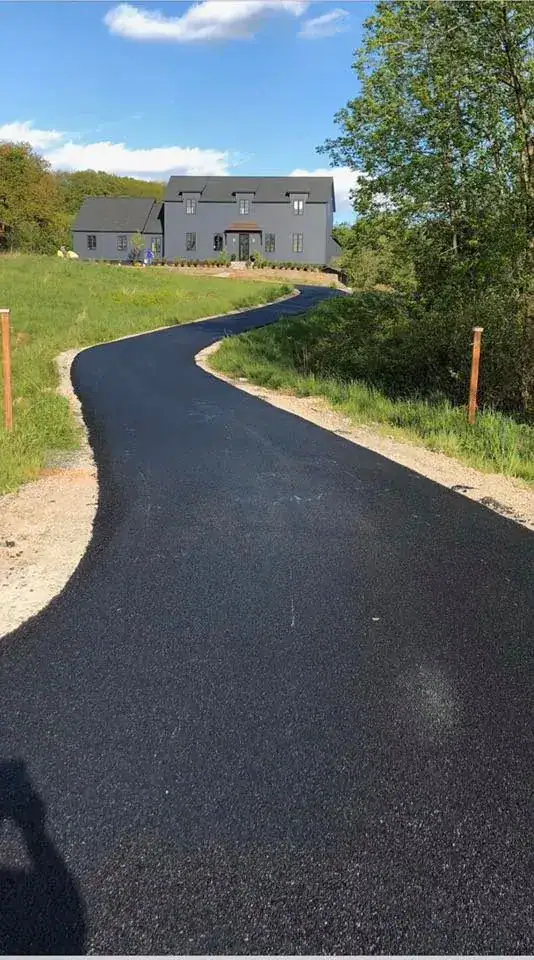
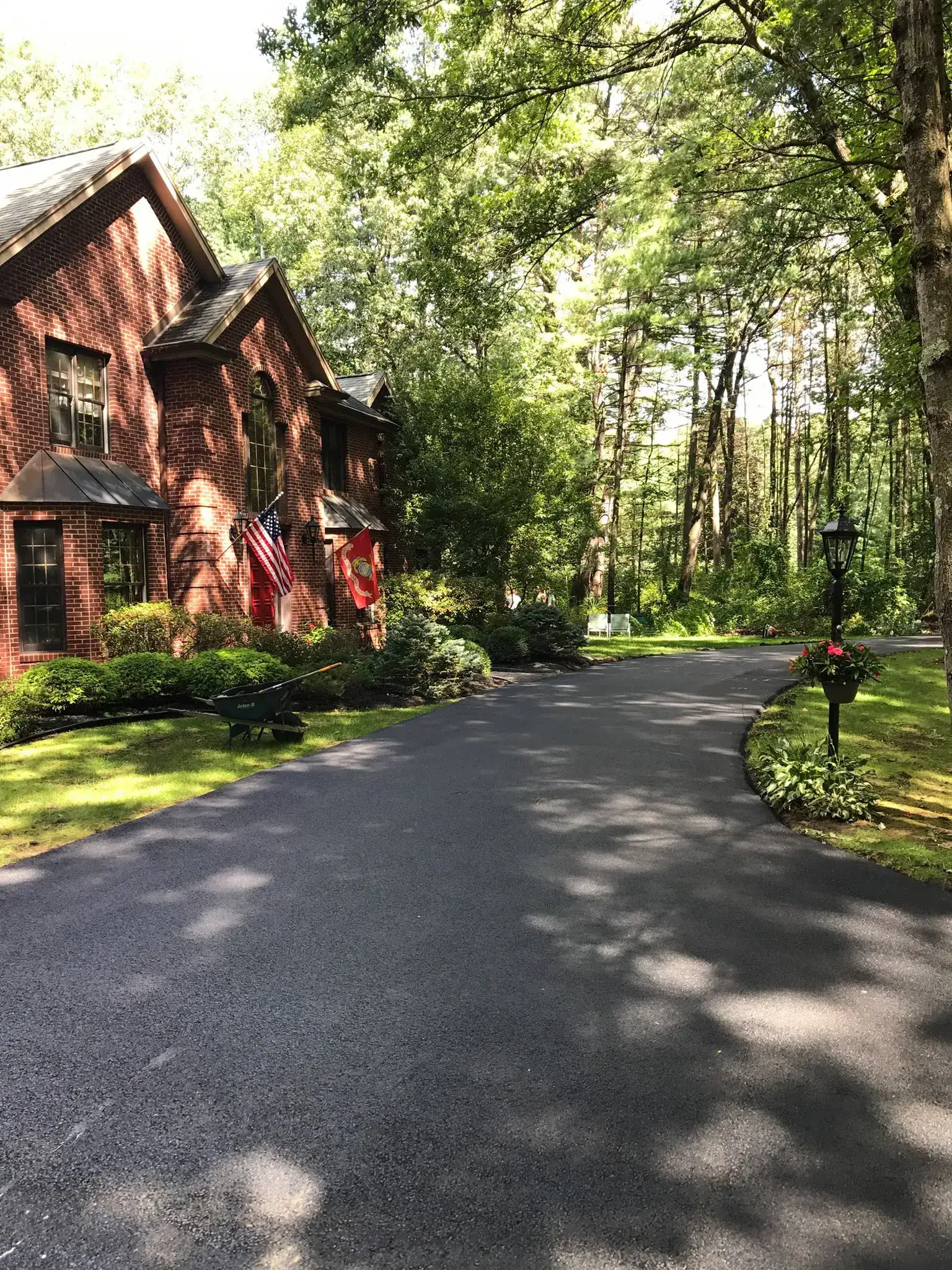
The biggest financial advantage of professional paving shows up years after installation. While a low-cost job might look acceptable on day one, poor workmanship reveals itself fast. Cracks appear within months. Potholes form after the first winter. Within 5-10 years, you’re facing complete replacement.
We know that 80% of pavement longevity comes from what you can’t see—the base preparation, proper compaction, and drainage design. These aren’t areas where shortcuts save money. They’re where cheap work costs you everything.
When asphalt is installed correctly with proper techniques and materials, it lasts 20-30 years. That’s double the lifespan of poorly executed work, which often requires resurfacing or replacement within a decade.
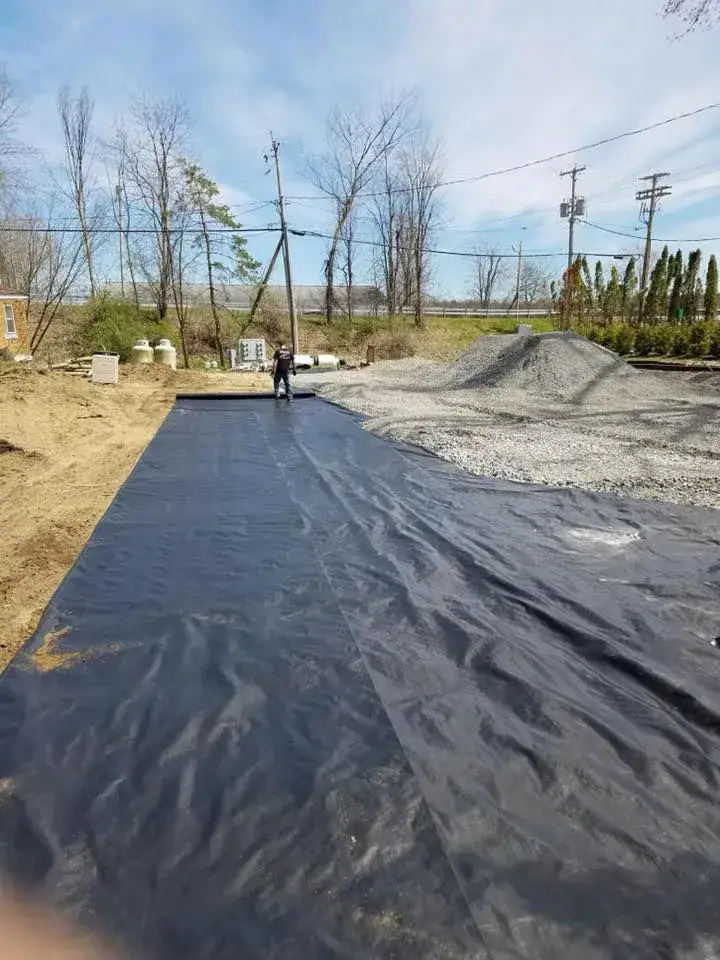
Your asphalt surface is only as strong as what’s underneath it. Think of base preparation like a home’s foundation—you can’t see it, but it determines whether everything above stays solid or crumbles.
We excavate to the proper depth, install compacted aggregate base material, and ensure adequate drainage before laying a single inch of asphalt. This process prevents the settling, cracking, and shifting that plague budget jobs.
In areas with clay soils or poor drainage, we know to install thicker stone bases with road fabric to stabilize the ground. We understand local soil conditions and adjust our approach accordingly. DIY installers and fly-by-night operators skip these steps entirely, laying asphalt over unstable ground that shifts with every season.
The result? Their “savings” evaporate when your driveway develops low spots, cracks, and drainage problems within the first year. Fixing these issues costs far more than doing it right initially. You’re not just paying for the repair—you’re paying twice for work that should have been done once.
We also understand compaction. Proper compaction creates density that resists cracking and rutting under traffic loads. It requires the right equipment, operated at the right time, with asphalt at the correct temperature. Get any of these variables wrong, and you’ve created a surface that will fail prematurely, no matter how good it looks on installation day.
Water is asphalt’s worst enemy, especially in climates with freeze-thaw cycles. When water seeps into cracks and pores, it freezes and expands with tremendous force—creating pressures exceeding 220 MPa that can fracture even solid rock. This expansion widens existing cracks and creates new ones, accelerating deterioration exponentially.
We design proper drainage from the start. We evaluate your property’s slope, install the pavement with correct grading, and ensure water flows away from the surface rather than pooling on it. We understand that standing water doesn’t just look bad—it saturates the base, weakens the structure, and creates the perfect conditions for freeze-thaw damage.
Amateur installers often ignore drainage entirely. They pave over existing surfaces without correcting grade issues. They create low spots where water collects. They fail to account for how water will move across and beneath the pavement.
The consequences show up fast in upstate New York. After the first winter, those water-saturated areas crack and heave. By the second winter, you’re dealing with potholes. By year three, sections of pavement are breaking apart and need complete replacement.
Fixing drainage problems after installation means tearing out the failed pavement, regrading the base, and repaving—essentially doing the entire project over again. That’s not a repair cost. That’s paying for the same work twice because it wasn’t done properly the first time.
We also install proper edge support to prevent the pavement from breaking down at the margins. We understand that unsupported edges are vulnerable to crumbling under pressure, especially when vehicles park partially off the paved surface. These details seem minor until you’re watching chunks of your driveway crumble away and realizing how expensive “minor” oversights become.
Want live answers?
Connect with a Morgan Construction expert for fast, friendly support.
Not all asphalt is created equal, and the difference in material quality directly impacts how long your pavement lasts. We use high-grade asphalt mixes designed for local climate conditions. In New York, that means mixes formulated to withstand temperature extremes, resist freeze-thaw damage, and maintain flexibility through seasonal changes.
Budget operators cut costs by using inferior materials, thinner applications, or recycled asphalt that doesn’t meet proper specifications. These materials might save money initially, but they break down faster, require more frequent maintenance, and fail years earlier than quality installations.
The math is straightforward: paying 20% more for quality materials that last twice as long costs far less than replacing cheap materials multiple times over the same period.
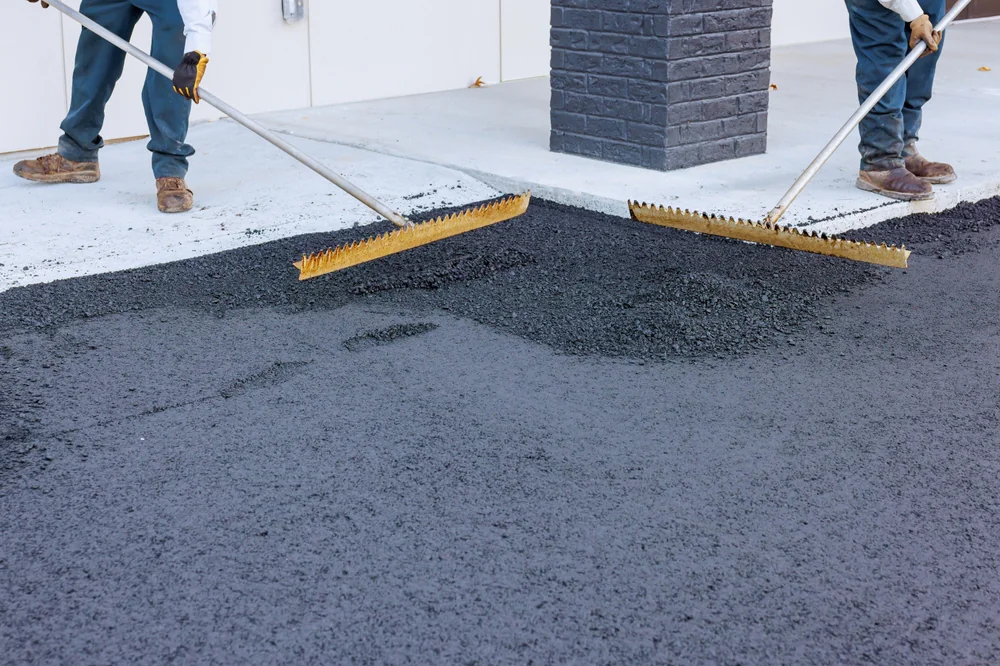
Residential driveways typically require 2-3 inches of compacted asphalt thickness. Commercial parking lots need 4-6 inches to handle heavier traffic loads. These aren’t arbitrary numbers—they’re engineering specifications based on expected use and longevity.
When contractors cut thickness to reduce costs, they’re creating a surface that can’t withstand normal use. Thin asphalt cracks more easily under vehicle weight. It’s more susceptible to temperature-related damage. It wears through faster, exposing the base layer to water infiltration and accelerated deterioration.
We specify appropriate thickness for your specific application. We don’t cut corners to win bids. We explain why proper thickness matters and what happens when it’s inadequate.
Consider this: a driveway paved 2 inches thick instead of the recommended 3 inches might save you $500 upfront. But when that thinner surface fails in 7 years instead of lasting 20, you’ll spend $7,000 to replace it. That’s not savings—that’s paying 14 times more for the privilege of dealing with premature failure.
The same principle applies to parking lots. Commercial surfaces face constant traffic, heavy loads, and turning movements that stress the pavement. Skimping on thickness means faster rutting, more frequent cracking, and substantially higher maintenance costs. We size the pavement structure for the actual loads it will carry, not for what makes the bid look attractive.
We also use proper asphalt grades. Hot mix asphalt is the standard for durability, but it requires specific temperature ranges during installation. Cold mix asphalt is cheaper and easier to work with, but it’s designed for temporary repairs, not permanent installations. We know the difference and use appropriate materials for each application.
Upstate New York’s climate is brutal on asphalt. Temperature swings from summer heat to subzero winters create expansion and contraction cycles that stress pavement constantly. Add freeze-thaw cycles, heavy snow loads, and road salt exposure, and you’ve got conditions that destroy poorly installed asphalt fast.
We understand these challenges because we’ve worked in this climate for over 25 years. We know that asphalt installed during cold weather won’t compact properly. We understand that paving in rain or when ground temperatures are too low leads to bonding failures. We schedule work during optimal conditions and use techniques that account for local weather patterns.
We also specify materials formulated for regional conditions. Some asphalt mixes include additives that improve cold-weather performance. Others are designed to resist rutting during hot summer months. We match materials to your climate and usage patterns.
Amateur installers and out-of-town contractors often lack this local knowledge. They pave during inappropriate weather windows. They use generic mixes not suited for freeze-thaw environments. They fail to account for how New York winters will impact the pavement.
The result is asphalt that cracks extensively after the first winter. Water infiltrates those cracks, freezes, expands, and creates bigger cracks. The cycle accelerates each season until the pavement fails completely. Fixing this damage isn’t simple crack filling—it’s structural repair or replacement that costs thousands.
We also educate clients about maintenance timing. We explain why sealcoating every 2-3 years protects against water infiltration and UV damage. We identify small issues before they become major problems. This proactive approach extends pavement life significantly and prevents the expensive emergency repairs that come from neglect.
When you hire us, you’re not just buying installation services—you’re buying knowledge about how to make asphalt survive and thrive in your specific environment. That expertise saves you from costly mistakes that only become apparent after it’s too late to fix them affordably.
Professional paving costs more upfront because it includes everything amateur work skips: proper base preparation, quality materials, correct installation techniques, appropriate thickness, and drainage design. These aren’t extras—they’re requirements for pavement that lasts.
When you choose us as your professional paving contractor, you’re avoiding the expensive cycle of repairs and premature replacement that comes from cutting corners. You’re investing in work that protects your property value, eliminates safety hazards, and delivers decades of reliable performance.
The cheapest bid rarely delivers the best value. The smart choice is a contractor with proven experience, transparent pricing, and the expertise to do the job right the first time. That’s exactly what we bring to every project—over 25 years of owner-operated experience, honest communication, and quality work that stands the test of time in upstate New York’s demanding climate.
Summary:
Article details:
Share: